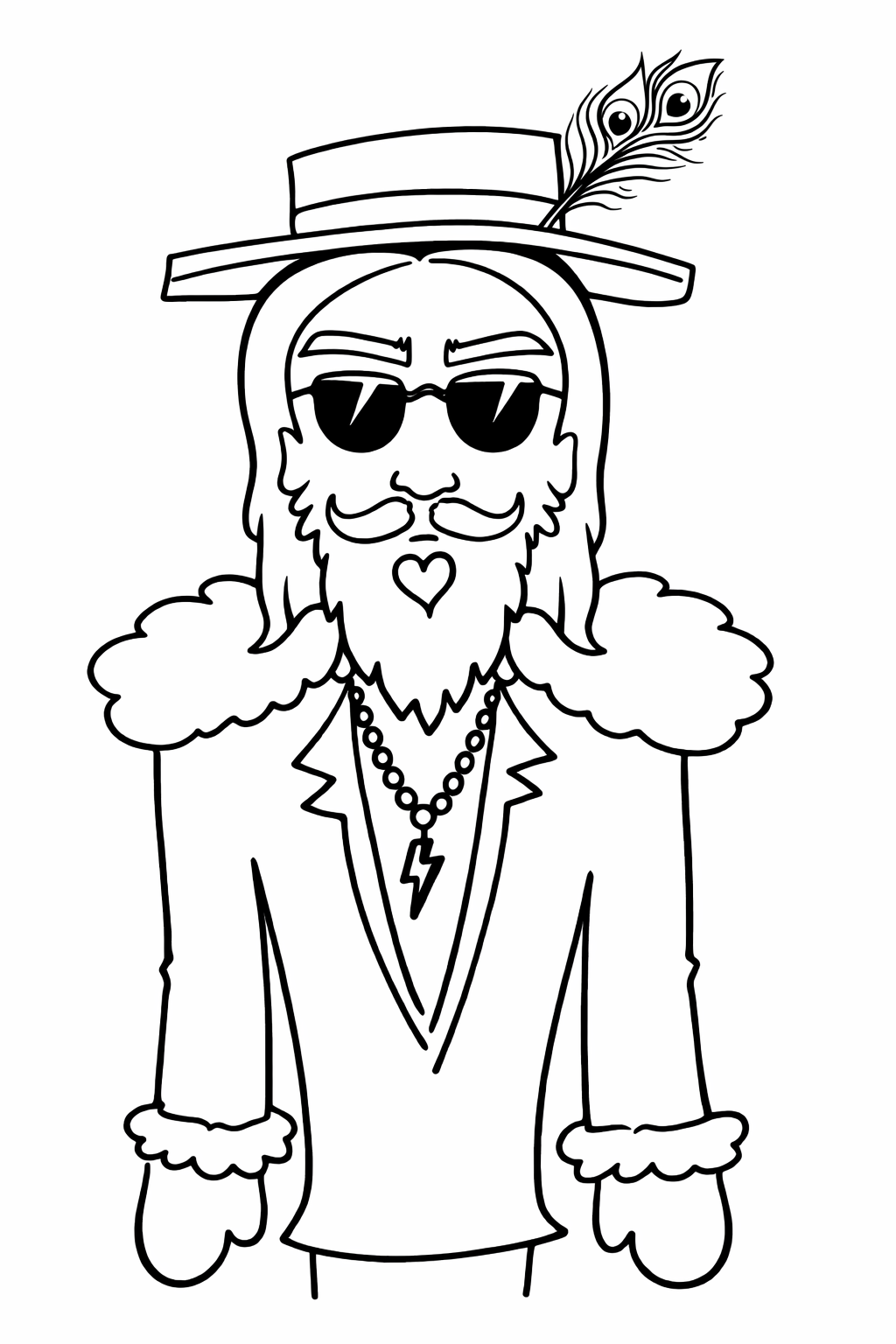
“I will not extinguish any fire, any greatness, any enthusiasm.”
Source: The 1946 London Lectures, p. 191.
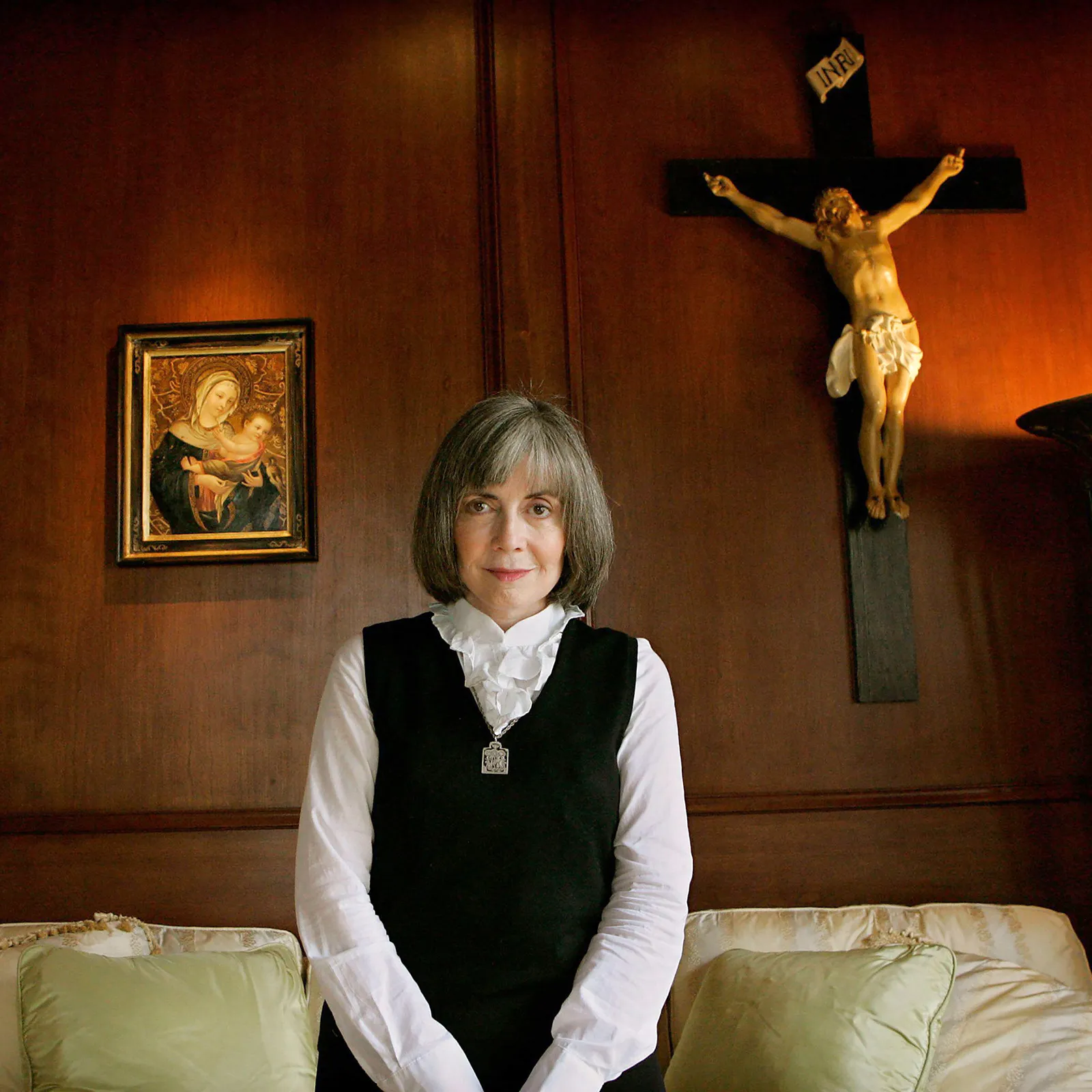
Caption: Education should make room for intensity and enthusiasm rather than achieving order by suppressing them.
“An observer obviously needs something to observe and he must be trained in order to be able to see and recognise objective truth…”
Source: The Secret of Childhood, p. 3.
One of the most encouraging signs that the Consciousness Observatory is maturing is that fewer of its new ideas begin with answers.
They begin with observations.
There was a time when every new feature seemed to ask, “What should we build next?”
Increasingly, the question has become,
“What have we started noticing that we cannot yet observe clearly?”
That is a subtle but meaningful shift.
The architecture is no longer expanding because there are more ideas to implement.
It is expanding because the existing observations keep revealing dimensions that deserve their own instruments.
The Atlas taught us about position.
The Neighbourhood taught us about proximity.
The Topography taught us about density.
The Planetarium is teaching us about perspective.
The Evidence Library reminds us that every conclusion should remain connected to the observations that support it.
None of these replaces the others.
Together they form a different way of understanding the same field.
I have come to appreciate that the Observatory is not a single application.
It is a collection of complementary viewpoints, each designed to preserve a different aspect of reality without reducing it to a single explanation.
That feels important.
Reality rarely becomes clearer because we simplify it.
More often, it becomes clearer because we learn how to look at it from several honest perspectives at once.
Perhaps that is why the architecture continues to feel coherent even as it grows.
Each new instrument does not compete for attention.
It quietly accepts responsibility for one question, and leaves the others to the instruments best suited to answer them.
If that principle continues to guide the Observatory, I suspect its future will not be defined by how many features it contains, but by how carefully each one preserves the quality of observation that made the next discovery possible.
We as a society, according the Community Consciousness Weather of the day, lean towards an individualistic and subjective viewpoint. The future, with some assistance, stands to become a lot more objective and cognitive, objective.
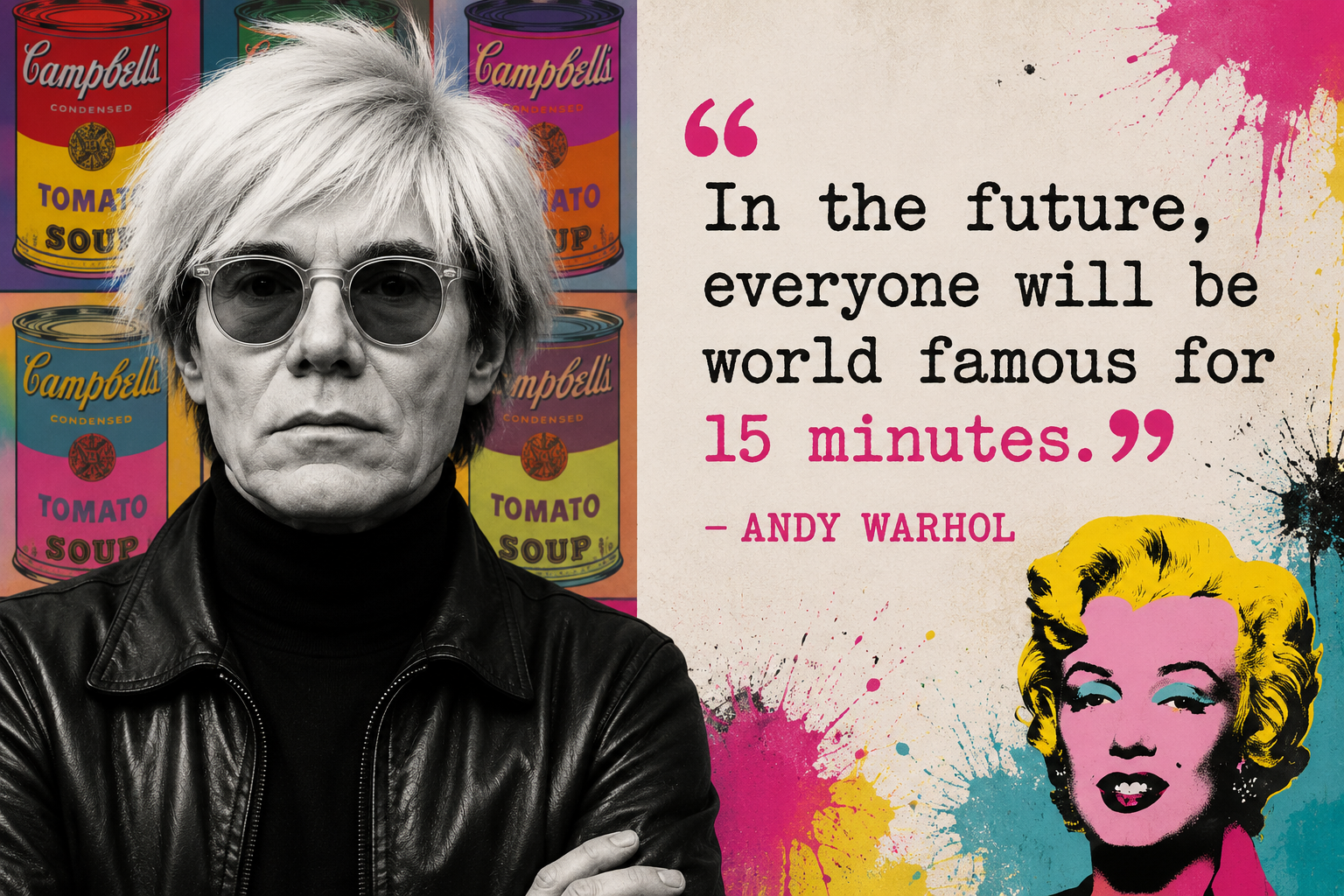
"In the future everyone will be world famous for 15 minutes" - Andy Warhol
×
Consciousness Network Guide
Every observation is described acrossfive independent dimensions:
Attachment State — How attention relates to experience. Awareness Lens — Where attention primarily rests. Vidya (Knowledge & Understanding) — What kind of understanding is being expressed. Time Orientation — Which temporal horizon organizes attention. Niyyat (Intention) — Who or what the observation is ultimately serving.
Together these dimensions describe the observer, not the person.
Attachment States
Attachment
Pulled toward outcome. Preference and investment shape attention.
Attached-Detachment
Care without grip. Engagement balanced by spaciousness.
Detached-Attachment
Involvement without clinging. Freedom remains while participating.
Detachment
Release of outcome. Spaciousness and non-grasping dominate attention.
Awareness Lenses
Subjective
Attention rests in direct felt experience.
Objective
Attention rests in structure, form, and observable qualities.
Cognitive
Attention rests in interpretation, concepts, and meaning.
Vidya Streams
💧
Raindrop
Individual observations, reflections, and moments.
✨
Recognition
Moments where a pattern suddenly becomes clear.
🪞
Mirror
Insights about self, relationship, and reflected experience.
🌾
Field
Observations about larger systems, communities, and contexts.
🚂
Soultrain
Growth, development, movement, and the unfolding journey.
Time Orientation
⏳
Past
Attention is primarily informed by memory, history, previous experiences, and what has already happened.
⏳
Present
Attention rests in immediate experience, what is unfolding now, and the current moment.
⏳
Future
Attention is directed toward possibilities, planning, anticipation, and what may emerge.
⏳
Timeless
Attention is organized around enduring principles, archetypes, or realities experienced beyond ordinary chronological time.
Niyyat (Intention)
🧭
Individual
The primary intention is directed toward one's own learning, growth, wellbeing, or immediate concerns.
🧭
Collective
The primary intention includes relationships, communities, teams, or shared human concerns.
🧭
Universal
The primary intention is directed toward humanity as a whole, life itself, or reality beyond personal or group identity.
A person describing a direct present-moment experience while remaining involved without clinging, using that experience as a mirror for insight, and intending to contribute understanding to others.
×
🎖️ CPMI Badge Guide
🌱 Observer
Beginning recognition of attachment states and awareness lenses.
🪞 Mirror
Recognizes recurring patterns in self and others.
⚡ Lightning
Recognizes movement between postures and transitions.
🍓 Strawberry
Recognizes symbolic compression, attractors, recursion, and deeper patterns.
❤️ Heart
Future badge. Preserving difference within relationship.
















.jpg)







.jpg)