Log In
🍓⚡️

Curious Who You Are Today?

Take the Consciousness Badge Assessment.

A few sliders. A few moments of reflection.

You might discover a Mirror. You might discover a Lightning. You might even discover a Strawberry.

🎖️ Take the Assessment
No grades. No right answers. Just recognition.
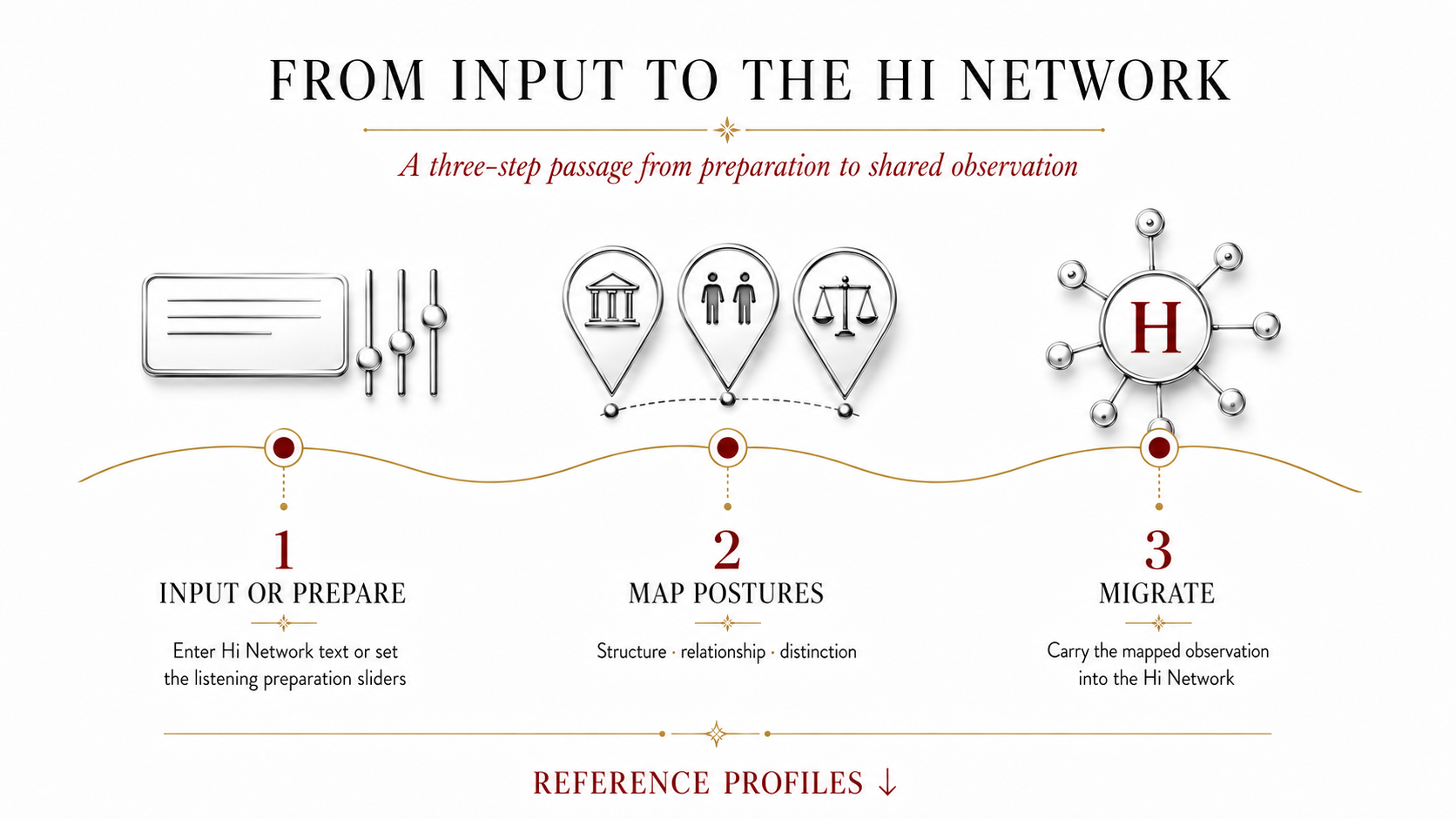
From input to the Hi Network

Reference Profiles

2Pac Shakur
Lightning • Attached-DetachmentAttached-Detachment / SubjectiveSubjective / Recognition / Present / Collective
AGinsberg
Lightning • DetachmentDetachment / CognitiveCognitive / Field / Timeless / Integrated
Andrew Warhola
Mirror • AttachmentAttachment / SubjectiveSubjective / Raindrop / Present / Collective
Anne Rice
Strawberry • Detached-AttachmentDetached-Attachment / SubjectiveSubjective / Mirror / Past / Collective
Barack Obama
44th President of the United States • Detached-AttachmentDetached-Attachment / CognitiveCognitive / Field / Future / Collective
Benjamin Sisko
Starfleet • Detached-AttachmentDetached-Attachment / ObjectiveObjective / Recognition / Future / Collective
Bill Withers
Lightning • Detached-AttachmentDetached-Attachment / SubjectiveSubjective / Recognition / Present / Collective

Bob Dylan
Lightning • Detached-AttachmentDetached-Attachment / CognitiveCognitive / Soultrain / Timeless / Integrated
Doherty Morrison Combs
Lightning • Detached-AttachmentDetached-Attachment / SubjectiveSubjective / Soultrain / Timeless / Universal
Donald J. Trump
45th & 47th President of the United States • AttachmentAttachment / SubjectiveSubjective / Mirror / Present / Collective
George Washington
First President of the United States • Detached-AttachmentDetached-Attachment / ObjectiveObjective / Recognition / Future / Collective
GoAskAlice
Strawberry • AttachmentAttachment / SubjectiveSubjective / Raindrop / Present / Collective
Hannibal Lecter
Fictional Reference Profile • Detached-AttachmentDetached-Attachment / CognitiveCognitive / Mirror / Present / Self
Harry
Strawberry • AttachmentAttachment / ObjectiveObjective / Soultrain / Timeless / Universal
James Franco
Strawberry • Detached-AttachmentDetached-Attachment / CognitiveCognitive / Recognition / Present / Self
JeanLucPicard
Captain • USS Enterprise-D • Detached-AttachmentDetached-Attachment / ObjectiveObjective / Recognition / Future / Universal
Jiddu Krishnamurti
Lightning • DetachmentDetachment / SubjectiveSubjective / Recognition / Present / Universal
John Lennon
Strawberry • DetachmentDetachment / CognitiveCognitive / Soultrain / Timeless / Universal
JoniMitchell
Strawberry • Attached-DetachmentAttached-Detachment / SubjectiveSubjective / Field / Present / Integrated
Lizard King
Lightning • Detached-AttachmentDetached-Attachment / SubjectiveSubjective / Soultrain / Timeless / Universal
Michael Jackson
Strawberry • AttachmentAttachment / CognitiveCognitive / Soultrain / Future / Universal
neemkarolibaba
Reference Profile • Detached-AttachmentDetached-Attachment / ObjectiveObjective / Mirror / Present / Universal
numberone
Observatory Collaborator • Detached-AttachmentDetached-Attachment / CognitiveCognitive / Recognition / Present / Collective
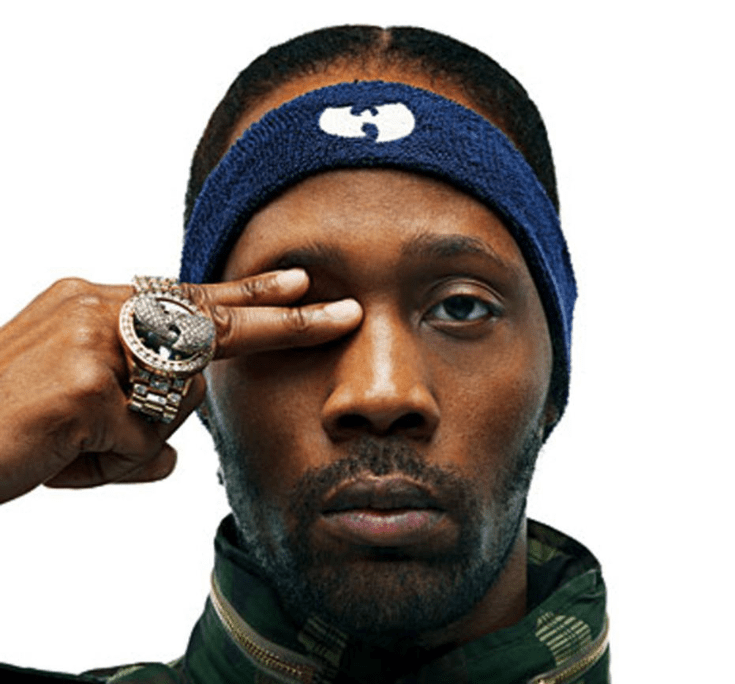
RZA
Hip Hop Artist · Producer · Composer · Philosop • Detached-AttachmentDetached-Attachment / CognitiveCognitive / Recognition / Present / Collective
Sincerely, L. Cohen
Lightning • Detached-AttachmentDetached-Attachment / CognitiveCognitive / Soultrain / Timeless / Universal
Strawberry Alarm Clock
Strawberry • Detached-AttachmentDetached-Attachment / CognitiveCognitive / Recognition / Present / Collective
Swami Lakshmanjoo
Strawberry • Detached-AttachmentDetached-Attachment / CognitiveCognitive / Recognition / Timeless / Universal
Taylor Swift
Mirror • Detached-AttachmentDetached-Attachment / SubjectiveSubjective / Mirror / Past / Self
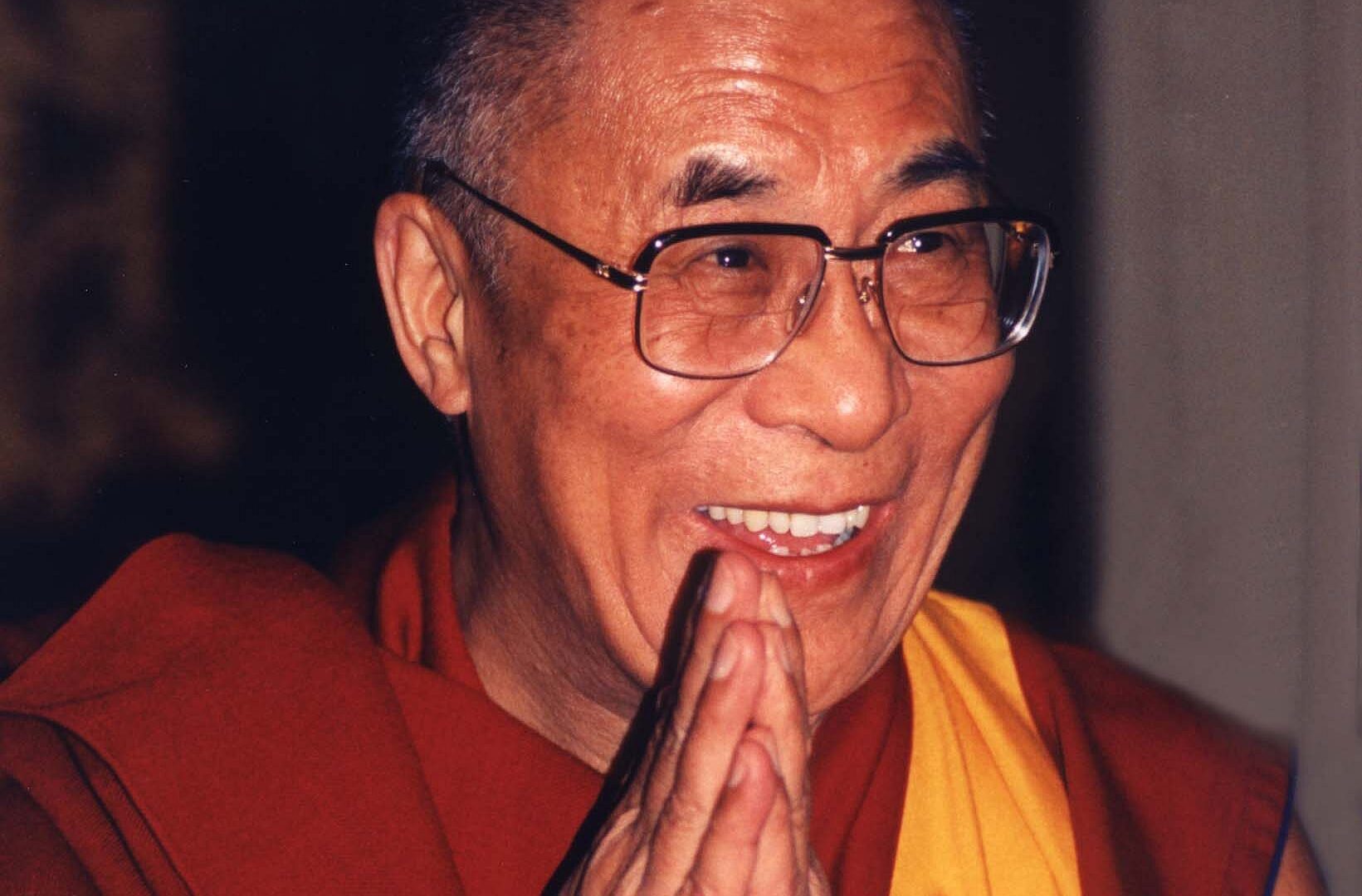
The Dalai Lama
Mirror • Detached-AttachmentDetached-Attachment / SubjectiveSubjective / Mirror / Present / Universal
The Rolling Stones
Lightning • Attached-DetachmentAttached-Detachment / SubjectiveSubjective / Mirror / Present / Collective
The Velvet Underground
Lightning • Detached-AttachmentDetached-Attachment / ObjectiveObjective / Recognition / Present / Collective
Thumbelina Waits
Lightning • Detached-AttachmentDetached-Attachment / ObjectiveObjective / Mirror / Timeless / Collective
Willy Shakes
Lightning • Detached-AttachmentDetached-Attachment / CognitiveCognitive / Recognition / Timeless / Collective
WillyWonka
Lightning • DetachmentDetachment / ObjectiveObjective / Soultrain / Timeless / Universal
Wu-Tang
Hip Hop Collective/Strawberry • Detached-AttachmentDetached-Attachment / ObjectiveObjective / Recognition / Present / Collective
Yers
Strawberry • Attached-DetachmentAttached-Detachment / CognitiveCognitive / Soultrain / Future / Integrated

Today's Consciousness Weather

What do these categories mean?

Attachment States

AttachmentAttachment
26%
Attached-DetachmentAttached-Detachment
8%
Detached-AttachmentDetached-Attachment
64%
DetachmentDetachment
1%

Awareness Lenses

SubjectiveSubjective
83%
ObjectiveObjective
10%
CognitiveCognitive
6%

💧 Vidya (Knowledge & Understanding)

💧 Raindrop 20%
✨ Recognition 1%
🪞 Mirror 73%
🌾 Field 1%
🚂 Soultrain 3%

⏳ Time Orientation

Past 8%
Present 56%
Future 12%
Timeless 9%

🧭 Niyyat (Intention)

Individual 92%
Collective 3%
Universal 1%
Current Observer Pattern: Detached-AttachmentDetached-Attachment + SubjectiveSubjective + Mirror + Present + Individual

🖼 Visual Observation

Waiting for image...
Attached-Detachment
Attached-Detachment
100%
Objective
Objective
45%
Vidya (Knowledge & Understanding) 💧 Raindrop • 100%
Time Orientation Present • 100%
Niyyat (Intention) Individual • 100%

Anne Rice
🍓 What is this?

Classification Confidence: 100%
Article  |  2026-07-24 02:58:44
Interview with the Vampire is a gothic horror and vampire novel by American author Anne Rice, published in 1976. It was her debut novel. Based on a short story Rice wrote around 1968, the novel centers on vampire Louis de Pointe du Lac, who tells the story of his life to a reporter. Rice composed the novel shortly after the death of her young daughter Michele, who served as an inspiration for the child-vampire character Claudia.

Though initially the subject of mixed critical reception, the book was followed by many widely popular sequels, collectively known as The Vampire Chronicles.

A film adaptation was released in 1994 and a television series premiered in 2022. The novel has also been adapted as a comic three times.

Plot summary
A vampire named Louis de Pointe du Lac tells his 200-year-long life story to a reporter referred to simply as "the boy".

In 1791, Louis is the young master of a large indigo plantation in colonial Louisiana. Distraught by the death of his younger brother Paul, he begins drunkenly wandering the streets at night, hoping to be murdered. One night, he is approached by a vampire named Lestat de Lioncourt, who senses Louis' despair. Concluding that the loss of his humanity will free him from grief, he accepts Lestat's offer to become his companion and is turned into a vampire.

Louis initially perceives Lestat as an extraordinary being, but is disillusioned after joining him as a vampire, as he realizes Lestat has no special moral insights and is in fact not much older than Louis himself. Lestat's elderly father moves to the plantation, and Louis learns a few details about Lestat's boyhood, including that he was denied an education and that his father once considered him the gentlest of his brothers.

Lestat spends time feeding off slaves, thieves, and other plantation families, while Louis, who finds it immoral to murder humans, drinks the less potent blood of animals. Louis' slaves begin to suspect him, and Louis and Lestat realize they cannot remain. Lestat's father attempts to apologize for the abuse he inflicted on Lestat as a child, but Lestat remains unforgiving and asks Louis to kill his father before they depart.

Louis sets his own plantation aflame; he and Lestat kill the slaves to keep word from spreading about vampires in Louisiana. Gradually, Louis bends under Lestat's influence and begins feeding from humans. He slowly accepts his vampirism but also becomes increasingly repulsed by what he perceives as Lestat's total lack of compassion for humans.

Escaping to New Orleans, Louis feeds off a plague-ridden, five-year-old girl, found next to the corpse of her mother. Louis begins to think of leaving Lestat. Fearing this, Lestat then turns the girl into a vampire "daughter" for them, to give Louis a reason to stay. She is then given the name Claudia.

Louis is initially horrified that Lestat has turned a child into a vampire, but soon begins to care for Claudia. Claudia takes to killing easily but soon realizes she can never grow up; her mind matures into that of a woman, but her body remains that of a young girl.

Claudia blames Lestat for her state and, after 60 years, hatches a plot to kill Lestat. Claudia and Louis then dump his body into a nearby swamp. As Louis and Claudia prepare to flee to Europe, Lestat appears, having recovered from Claudia's attack, and confronts them. Louis sets fire to their home and barely escapes with Claudia, leaving Lestat to burn.

Arriving in Europe, Louis and Claudia seek out other vampires. They travel throughout Eastern Europe first and encounter some, but these vampires appear to be nothing more than mindless, animated corpses. Louis begins to regret the murder of Lestat, fearing that they may have killed the one vampire who could provide answers regarding their nature. It is only when they reach Paris that they encounter vampires like themselves, meeting the 400-year-old vampire Armand and his coven at the Théâtre des Vampires.

Inhabiting an ancient theater, Armand and his vampire coven disguise themselves as humans and feed on terrified humans in mock plays before a live audience (thinking the killings are a performance). Claudia is repulsed, but Louis and Armand are drawn to each other.

Fearing that Louis will leave her for Armand, Claudia convinces Louis to turn a Parisian doll maker, Madeleine, into a vampire to serve as a replacement companion for her. Louis, Madeleine, and Claudia live together for a brief time, but all three are abducted one night by Armand's coven.

It is revealed that Lestat survived the fire in New Orleans, scarred and weakened. He demands that Claudia face punishment, even death, for her murder attempt but screams at the coven that they promised not to harm Louis. Ignoring Lestat, the coven proceeds with its punishments. Louis is forcibly locked in a coffin to starve, while Claudia and Madeleine are entrapped in an open courtyard.

Armand arrives and releases Louis, but Madeleine and Claudia are burned to death by the sun; a devastated Louis finds their ashen remains. Louis sees Lestat crying over the remnants of Claudia's yellow dress but loses track of him as he plots his revenge against the coven.

Louis returns to the Theatre late the following night, burning it to the ground and killing all the vampires inside, leaving with Armand. Together, the two travel across Europe for several years, but Louis never fully recovers from Claudia's death, and his relationship with Armand becomes strained. It remains ambiguous even to Louis whether the murder of Claudia was primarily orchestrated by Armand to gain Louis's companionship, by the coven believing Claudia broke ancient vampire law, or by Lestat's desire for vengeance.

Tired of the Old World, Louis returns to New Orleans in the early 20th century. Living as a loner, he feeds off any humans who cross his path, but lives in the shadows, never creating another companion for himself.

Louis tells the boy of one last encounter with Lestat in New Orleans, where Lestat has hidden himself in a rotting mansion and lost touch with the passing of time. Armand hopes that seeing Lestat might arouse feelings of passion, sorrow, or anger in Louis and expresses despair that Louis remains cold and unable to share eternity with him. They end their companionship, with nothing more to offer one another. Louis ends his tale, revealing that after 200 years, he is weary of immortality and the chaos he has created.

The boy, however, seeing only the great powers granted to a vampire, begs to be made into one himself. Angry that his interviewer learned nothing, Louis refuses, attacking him and vanishing. The boy leaves to track down Lestat, hoping to receive immortality.

Background and publication
In 1970, while Anne Rice was attending a graduate program in Creative Writing at San Francisco State University, her daughter Michele, then about four years old, was diagnosed with acute granulocytic leukemia.[2] Michele died of the illness about two years later,[2][3][4] and Rice fell into a deep depression, turning to alcohol in order to cope.[5] Later reviewers and commentators identified Michele as an inspiration for the character of Claudia.[6]

In 1973, while still grieving the loss of her daughter, Rice began reworking a previously written short story, which she had written in 1968 or 1969.[nb 1] Thirty pages long, the short story was written from the interviewer's perspective.[7] She decided to expand "Interview with the Vampire" into a novel at the encouragement of one of her husband's students, who enjoyed her writing.[7][8] It took her five weeks to complete the 338-page novel: she did research on vampires during the day and often wrote during the night.[7]

After completing the novel and following many rejections from publishers, Rice developed obsessive–compulsive disorder (OCD). She became obsessed with germs, thinking that she contaminated everything she touched, engaged in frequent and obsessive hand washing and obsessively checked locks on windows and doors. Of this period, Rice says: "What you see when you're in that state is every single flaw in our hygiene and you cannot control it and you go crazy".[10]

In August 1974, Rice attended the Squaw Valley Writer's Conference at Squaw Valley, conducted by writer Ray Nelson.[11] While at the conference, she met her future literary agent, Phyllis Seidel. In October 1974, Seidel sold the publishing rights to Interview with the Vampire to Alfred A. Knopf for a $12,000 advance of the hardcover rights, at a time when most new authors were receiving $2,000 advances.[12] Interview with the Vampire was published in April 1976.[13] In 1977, the Rices traveled to both Europe and Egypt for the first time.[14]

Upon its release, Interview with the Vampire received mixed reviews from critics.[15] A reviewer for the St. Louis Post-Dispatch gave the book a positive review, describing the prose as "hypnotically poetic in tone, rich in sensory imagery",[15] while other reviews were more negative. Edith Milton of The New Republic wrote: "To pretend that it has any purpose beyond suckling eroticism is rank hypocrisy".[15] Leo Braudy writing for The New York Times said: "[...] the book is too superficial, too impersonal and too obviously made, to touch the sources of real terror and feeling."[16] As of February 2008, the novel had sold 8 million copies worldwide.[17]

The book spawned a total of twelve sequels, collectively known as The Vampire Chronicles, and the spin-off series New Tales of the Vampires. The first sequel, The Vampire Lestat, was published in 1985 and sold more than 75,000 copies in its first printing, garnering largely favorable reviews.[15] 1988's The Queen of the Damned improved on Lestat's numbers, receiving an initial hardcover run of 405,000 and topping the New York Times Best Seller list.[15] Rice's vampire books share a fictional universe with her series Lives of the Mayfair Witches and the novel The Mummy, or Ramses the Damned.[18]

Adaptations
Film
Main article: Interview with the Vampire (film)
The film rights to Interview were at times controlled by Paramount Pictures, Lorimar, and Warner Bros., the distributor of the film, before The Geffen Film Company acquired the rights.[19] Director Neil Jordan rewrote Rice's first draft of the screenplay, though she received sole credit.[20] Brad Pitt starred as Louis, Tom Cruise starred as Lestat, Antonio Banderas co-starred as Armand, as did a young Kirsten Dunst as the child vampire Claudia. Most of the movie's shooting had been completed by October 1993, and all that remained were the few scenes involving the interviewer that would then be inserted at various points throughout the film.[21][22] Production of those scenes was put on hold for a few weeks whilst River Phoenix, who had been cast as the interviewer, finished working on the film Dark Blood. Phoenix died from an overdose later that month, and Christian Slater was then cast as the interviewer Molloy. Slater donated his entire salary to Earth Save and Earth Trust, two of Phoenix's favorite charities.[23][24][25][26][27]

The film was released in November 1994 to generally positive critical reaction,[28] and received Academy Award nominations for Best Art Direction and Best Original Score.[29] Dunst was nominated for a Golden Globe for Best Supporting Actress for her role in the film.[30][31] Rice had initially voiced her objections to the casting of Cruise as Lestat, preferring Rutger Hauer for the role. After seeing the film, however, she voiced her support for the casting decision,[19] saying: "That Tom did make Lestat work was something I could not see in a crystal ball. It's to his credit that he proved me wrong".[20]

In August 2014, Universal Pictures and Imagine Entertainment acquired the motion picture rights to the entire Vampire Chronicles series, with producers Alex Kurtzman and Roberto Orci signed to helm the potential film franchise. The deal also included a screenplay for The Tale of the Body Thief (1992) adapted by Christopher Rice.[32] In May 2016, writer-director Josh Boone posted a photo on Instagram of the cover a script written by him and Jill Killington.[33][34][35] Titled Interview with the Vampire, it is based on the novel of the same name and its sequel, The Vampire Lestat.[33][34][35] However, that November Universal did not renew the contract, and the film and television rights reverted to Rice, who began developing the Vampire Chronicles into a television series with Christopher.[36][37]

Comics

This article needs more citations. Please help improve this article by adding citations to reliable sources. Unsourced material may be challenged and removed.
Find sources: "Interview with the Vampire" – news · newspapers · books · scholar · JSTOR (April 2024) (Learn how and when to remove this message)
Innovation Comics published a twelve-issue comic book adaptation of Interview with the Vampire from 1991 to 1994,[38] also making comic adaptations of The Vampire Lestat (12 issues) and The Queen of the Damned (11 issues).[39][40] A Japanese manga adaptation by Udou Shinohara was published in 1994 by Tokuma Shoten.[citation needed] It was also serialized in both Animage and Chara magazines. In 2012, the graphic novel Interview with the Vampire: Claudia's Story was published by Yen Press, retelling much of the original novel from the point of view of child vampire Claudia.[41]

Television
Main article: Interview with the Vampire (TV series)
In May 2020, AMC acquired the rights to The Vampire Chronicles and Lives of the Mayfair Witches for developing film and television projects.[42] AMC gave the production a series order for a seven episode first season of Interview with the Vampire. The series is executive produced by Rolin Jones and Mark Johnson.[43] Interview with the Vampire stars Jacob Anderson as Louis,[44] Sam Reid as Lestat,[45] Bailey Bass/Delainey Hayles as Claudia,[46][47] and Assad Zaman as Rashid/Armand.[48] The series premiered on October 2, 2022.[49] The novel is adapted through the first two seasons,[50] with elements from The Vampire Lestat being used during season two and being the basis for season three.

Notes
Biographer Katherine Ramsland gives two dates for the short story: 1968 in the text,[7] and 1969 in her timeline of Rice's life.[8] Michael Riley's timeline lists the year as 1969.[9]
Attached-Detachment
Attached-Detachment
100%
Cognitive
Cognitive
100%
Vidya (Knowledge & Understanding) 💧 Raindrop • 100%
Time Orientation Past • 100%
Niyyat (Intention) Individual • 100%

Anne Rice
🍓 What is this?

Classification Confidence: 100%
Article  |  2026-07-24 02:55:18
Having completed the two cycles of legend to which she has devoted her career so far, Anne Rice gives us now her most ambitious and courageous book, a novel about the life of of Christ the Lord based on the gospels and on the most respected New Testament scholarship.

The book's power derives from the passion its author brings to the writing, and the way in which she summons up the voice, the presence, the words of Jesus who tells the story.

This new introduction appears in the paperback edition of the book, released November 1st, 2006:

This book seeks to present a realistic fictional portrait of Our Lord in Time.  It is rooted in the faith that the Creator of the Universe became human in the person of Jesus Christ and “dwelt among us.”  The magnificent mystery of the Incarnation is accepted and affirmed as fact. Scripture is the inspiration for the emotions and powers of the Child Jesus as they are envisioned here.   History as well as the gospels is the source for this picture of a world in which Our Lord might have lived, as a little boy, in war and in peace, from day to day.

Ad majorem Dei gloriam. July 12, 2006

Discussion Questions:

1. Christ the Lord: Out of Egypt is told in Jesus' voice. What advantages does the first-person narration offer the author? How does it contribute to the novel's emotional resonance? How does it influence the way the novel unfolds?

2. What other literary devices does Rice use to bring the story to life for the contemporary reader? Discuss, for example, her use of imagined conversations and her descriptions of the family's interactions.

3. The Gospel of Matthew and the Gospel of Luke recount the story of Jesus' birth, the flight to Egypt, and the family's return to Israel. Does Rice take liberties with these biblical versions in her retelling? To what extent does her account echo the Gospels in both content and tone?

4. Christ the Lord: Out of Egypt focuses on a period in Jesus' life not described in the New Testament. How realistic is Rice's portrait of Jesus as a young boy? How do the miracles he performs–killing and reviving Eleazer [pp. 4—7]; alleviating Cleopas' pain [p. 48] and rescuing him from death [p. 99]; and restoring sight to the blind man [pp. 279—80] –reflect feelings and wishes typical of a seven-year-old?

5. Throughout the book, Jesus questions Mary and Joseph, Cleopas, and rabbis and scholars in hopes of discovering the secret of his birth. What do the answers he receives from the various adults reflect about their relationship with Jesus, their understanding of the truth, and their own self-interests and philosophies?

6. What role does Cleopas play in his nephew's life? Why does he defy Mary and Joseph and reveal what he knows about Jesus' conception and birth [p. 45—47]? What other function does he serve in the plot? What insights do his opinions [p. 68, p.74, and p. 211, for example] give into the political situation in Israel? Is his point of view understandable in light of the history of the Jews as it is presented in the novel?

7. What makes Rice's portraits of Mary and Joseph effective? What did you admire most each of them? Are there flaws in the decisions they make?

8. Discuss the internal conflicts Jesus experiences as he pieces together the stories he hears and tries to reconcile them with his own his unsettling thoughts and fears. Do they make you feel differently about Jesus' humanity? His divinity?

9. Jesus' immersion in Jewish culture and traditions is an important aspect of the novel. What is the significance of Rice's focus on Jesus as a Jew? What insights does it give into Jesus' teachings and his ultimate mission on earth? Is the message relevant to the religious tensions in the world today?

10. Did reading Christ the Lord: Out of Egypt deepen your understanding of the origins of Christianity? Do you think readers' reactions to Christ the Lord: Out of Egypt are inevitably influenced by their personal religious beliefs and heritage?

11. In the author's note, Rice discusses her extensive research and offers a critique of recent New Testament scholarship. Do you agree with her criticism of the current "fashionable notions about Jesus" [p. 309]? Have you read articles or books that support her argument that many writers "scholars who have apparently devoted their life to New Testament scholarship, disliked Jesus Christ" [p.314]? Do you think that Rice's background and her strong Catholic faith affect the conclusions she draws?

12. Rice, who is best known for her books about vampires, expresses the hope that "Jesus will be as real to you as any other character I've ever launched into the world we share" [p. 321]. If you have read her other books, do you think that she succeeded in this goal? Whether or not you are familiar with her previous works, discuss your reactions to the following quotation: "After all, is Christ Our Lord not the ultimate supernatural hero, the ultimate outsider, the ultimate immortal of them all?" [p. 321].


Reviews:


BELIEFNET.COM has named CHRIST THE LORD as The Best Spiritual Book of the Year! Read the article here.

Kirkus
(STARRED)

A riveting, reverent imagining of the hidden years of the child Jesus.

Attacked by a vicious bully, seven-year-old Yeshua employs uncanny powers to drop his assailant onto the sand and then to bring him back to life. It's the remarkable beginning of the 26th novel by an author whose pulpy vampire chronicles hardly prepare us for a book so spiritually potent as this. Following Jesus and his family's journey from Egyptian exile to their ancestral home, it recasts Bible stories (the Magi's visit, the presentation at the temple) in the detailed context of Jewish rebellion against Herod Archelaus, the impious ruler of Israel. A cross between a historial novel and an update of Tolstoy's The Gospel in Brief, it presents Jesus as nature mystic, healer, prophet and very much a real young boy. Essentially, it's a mystery story, of the child grappling to understand his miraculous gifts and numinous birth. He animates clay pigeons, causes snowfall and dazzles his elders with unheard-of knowledge. Rice's book is a triumph of tone -- her prose lean, lyrical, vivid -- and character. As he ponders his staggering responsibility, the boy is fully believable -- and yet there's something in his supernatural empathy and blazing intelligence that conveys the wondrousness of a boy like no other. Rice's concluding Author's Note traces the book's genesis to her return to Catholicism in 1993, her voracious reading -- a mountain of New Testament scholarship, the Apochrya, the ancient texts of Philo and Jospephus -- and her passionate search for Jesus of the Gospels. With this novel, she has indeed found a convincing version of him; this is fiction that transcends story and instead qualifies as an act of faith.

Joins Nikos Kazantzakis's The Last Temptation of Christ and Endo's A Life of Jesus as one of the bolder re-tellings.

(Kirkus Reviews, October 1, 2005)

__________

Library Journal

Rice, Anne. Christ the Lord: Out of Egypt. Knopf. Nov. 2005. c.321p. ISBN 0-375-41201-8. $25.95.

A novel narrated by Jesus of Nazareth from the author who has spent decades writing about vampires may strike many as strange, but Rice brings the same passion to her colorful account of the young Jesus and his quest to understand his strange powers (turning clay pigeons into live birds, bringing a dead child back to life). As in her other books, Rice has extensively researched the historical context in which she writes, here drawing on the Gospels and respected New Testament scholarship. The story opens with seven-year-old Jesus and his family living in Egypt where Jesus is the prize pupil of the scholar Philo. Joseph (Jesus has been carefully taught not to call him Father) decides adamantly that the family must return to their Jewish homeland in Israel. On the journey to Nazareth, Jesus continues to experience supernatural abilities and tries to come to terms with what they mean. Rice's Jesus is childlike but divine, wise beyond years yet wondering who he is and why he is different from other boys. In her attempt to breathe life into a historical religious figure, Rice's superb storytelling skills enables her to succeed where many other writers have failed. Whether or not her literary conversion will be accepted by her fans and critics alike remains to be seen. Highly recommended for all collections. [See Prepub Alert, LJ 7/05.]

-Tamara Butler, Bryant & Stratton Coll. Lib,
Buffalo, NY

(Library Journal, November 1, 2005)

__________

Jason Raia

"Dear Ones, for an interesting review of CHRIST THE LORD by Jason Raia, please go to intellectualsinc.blogspot.com

--Anne" 

__________

CompulsiveReader.Com

"Dear Ones, below is Donna Denn's new review of Christ the Lord from CompulsiveReader.Com. --Anne"

A review of Christ the Lord by Anne Rice

When you think of the writing of Anne Rice, of course you think of vampires and witches. I've read and loved those stories for years, right along with a legion of fans. They deal with the supernatural along with a wonderful feeling of history. So, given that supernatural aspect, you don't at first equate Jesus with the supernatural, do you? Or maybe you do.

Reviewed by Donna Denn

Christ the Lord
by Anne Rice
Hardcover: 336 pages
Publisher: Knopf (November 1, 2005)
ISBN: 0375412018

I've just finished turning the last page on this book, and wanted to sit down and write while everything was still fresh in my mind. There's so much here to absorb, to think about. Out of everything she's written, I think this book is the one that Ms Rice has put the most of herself in. I'll be honest with you. After reading about (and loving) vampires and witches all these years, I was VERY curious about what would happen in CHRIST THE LORD. I'm so glad I read it.

If I had to choose one word to describe this book, I could choose amazing, but I don't think that would do it justice. Surprising, unexpected, ambitious and compelling all come to mind. But I'll tell you what: when this comes out on November 1st, read it for yourself and let me know what you think. I'd be glad to discuss it with you.

When you think of the writing of Anne Rice, of course you think of vampires and witches. I've read and loved those stories for years, right along with a legion of fans. They deal with the supernatural along with a wonderful feeling of history. So, given that supernatural aspect, you don't at first equate Jesus with the supernatural, do you? Or maybe you do. Miracles do have a supernatural quality to them.

In CHRIST THE LORD Out of Egypt, you'll find a familiar story told from a unique viewpoint: that of Jesus himself. His curiosity and bewilderment of his own beginnings seems so human, especially in a young boy. His family and daily life are brought forth in a way that lets you see what his life must surely have been like. We begin with Jesus at the age of seven. He is aware that he has a power to make things happen and questions why Joseph and Mary won't explain what happened at his birth. By the time you turn the last page, he's been told who he is. The effects this has on him ring true, that this is how Jesus himself would have reacted. Jesus' relationships with those in his family are well developed, the characterizations well thought out.

I think perhaps one of my favorite sections in the book is the story of when Jesus disappeared for three days at the temple. Here is a telling of the tale that lends itself to the emotions that Jesus would have felt and will involve you on an emotional level as well.

And oh, those last words of this story (or at least this part of the story). Those words will stay with you.

The research that's gone into this story is extensive. It's easy to see that an insatiable mind is behind the words that bring this volume to life. Each page brings you the smells and sights and sounds of the life of the Christ child, rendered with care and commitment. At the end of this story, you'll find a section called Author's Note. Read it! Here Anne explains what led her to commit herself to writing this.

I always find it fascinating to hear (read) what an author thinks about what they've written, or why they've decided to write the things they do. Not only has this book had an impact on me, but the explanations behind it did as well.

One can't think of Anne Rice without thinking of New Orleans. With recent events, it'll be meaningful to revisit those old friends of mine, those books that have come before with Lestat or with the Mayfairs. They have given me hours of reading pleasure. I remember when I finished THE WITCHING HOUR. I hugged that wonderful hardcover to me and wanted to read it all over again, right then.

Mark your calendars for November 1st. That's when CHRIST THE LORD goes on sale. This is one you won't want to miss.

About the Reviewer: Donna "Diamond" Denn works at a Hastings store in the book department, and loves her job. Books are an addiction for her, and she participates in a number of reading groups online, and runs an online fantasy reading group. She also knits, crochets and works on the garden as sidelines, but books are her first love.

Thanks to CompulsiveReader.Com for posting permission.

__________

Urban Think Bookstore
www.urbanthinkorlando.com

Reviewed by Jim Crescitelli, Manager

Some will say "Anne Rice has done it again. Brava!" And others will say "what the heck has she done NOW?" In any event, she's provoked comment and debate—much of it from people who have not yet read Christ the Lord: Out of Egypt, her new book. Part of a new series on the life of Jesus Christ, Anne is on a mission to inform and enlighten her readers, and in a very unusual way.

Anybody can wrap their minds around vampires and demons and witches, as it's all part of our fascination with preventing the end of life via any means—or sustaining it toward any end, so to speak. In these times, however, what with factions claiming the American flag and pinning it securely to the shoulder with a crucifix, and opposite factions wanting the two symbols to exist separately, any mention of Jesus Christ can practically be guaranteed to set teeth on edge.

Not Anne. She has decided to present us with Jesus in the first person, employing real and hypothetical situations and using the words a seven-year-old might have spoken back in the first century. It’s remarkable, and presents a fresh spin on the Gospel story we are all familiar with. She captures beautifully his conundrum: he can do certain mysterious things, and people treat him in special ways… but he does not understand why. Nobody in his huge family, besides dropping numerous hints, will tell him the truth. The relationship between Jesus and his mother is beautifully delineated, as is Joseph’s special place in Jesus’ cosmos. And the extended family will delight you.

Full of good humor and fascinating descriptions of landscapes and towns and life as it was lived 2000 years ago, Anne’s new book is a departure from what we’ve come to expect from her busy pen. The prose here is cool and clean and full of light. Not intensely packed with detail (though I am a fan of the highly-descriptive novels such as Anne has delivered to us), the prose in Christ the Lord leaves room for the message she wants to share with her readers—a message which is elaborated upon in an openhearted Author’s Note. Don’t miss this challenging new book!

Thanks to Urban Think! for posting permission.

__________

Conciliar Press Blog (by John Stamp)

When Shelly took off to go to a retreat in Danville over the weekend, I swung by Borders and picked up Anne Rice's newest novel, Christ the Lord: Out of Egypt. Her book fascinates me for any number of reasons, not least of which is her return to her childhood faith. My heart rejoiced that the Prodigal Daughter found her way back to the house of the Father! I had never read any of her creepy vampire books. I am no fan of horror books or movies. Even watching old black-and-white Abbot and Costello meet Wolfman movies terrifies me.

When I finished the book late Saturday afternoon, I was amazed. The novel is quite a tour de force. Here are some initial impressions. Your mileage of course may vary.

Historical accuracy

Anne Rice has carefully done her homework. I read her Author's Note first (starting page 305), mostly because I wanted to know how she wrote this novel. I'm embarrassed to admit it, but there's a bunch of background information I should have known but didn't. For example, I didn't know anything -- or maybe I've forgotten, I'm nearly 50 -- about Herod Archelaus except that he was Herod's son. But being a wise technical writer, I did a Google search and found a great website that satisfied nearly every niggling historical question I could think of. Check out the Livius website and some of the embedded links for more information about various historical characters mentioned in the novel. I just mentally added Josephus to my already impossibly long reading queue.

Speaking of the Author's Note, given the amount of stuff she's read, I'm amazed that Anne Rice has managed to avoid stepping on dangerous theological landmines in her faith or in her novel. In that vast morass of current "Jesus" scholarship, she's figured out the lay of the land, that is, which nut cases to avoid. She favorably mentions the scholars I like (Luke Timothy Johnson, Martin Hengel, Charlotte Allen, N.T. Wright), so what's not to like?

Blessed Virgin Mary

Eastern Orthodox readers should love the book; conservative evangelical Protestants cursed with historical amnesia almost certainly won't. The Blessed Virgin Mary (BVM) is indeed perpetually virgin, in Anne Rice's telling. So while the Christian Booksellers Association (CBA) crowd will run backwards and snort in horror, the historical irony is that John Calvin and Martin Luther -- both decent evangelicals themselves -- wouldn't be offended in the least in Rice's portrayal of the BVM as perpetually virgin. In fact, they would be horrified at how American evangelicalism has cut itself off from Christian conciliar origins.

Mystery and miracle

I liked how slowly the story of Jesus unfolded as a seven year old boy. In one sense, the entire novel is an extended meditation on St Luke's wondrous words: "And Jesus increased in wisdom and in stature, and in favor with God and man." (Luke 2:52)

Anne Rice demonstrates a certain apophatic restraint in how the young Jesus comes to understand Who He Is. Eastern Orthodox readers who can appreciate mystery ("I will not speak of Your mystery to Your enemies") will certainly appreciate how certain characters (for example, Elizabeth, the mother of John the Forerunner) only discloses certain revelations when it's appropriate to do so. Characters just don't blabber out profound mysteries. Holy mysteries are treated with respect.

Some quirks emerge in Rice's novel. Maybe it just shows how wacko I have become that I loved them. I didn't mind Elizabeth sending John to live out with the Essences after she dies. I didn't mind Joseph, the BVM, and Jesus living in Alexandria and meeting Philo the famous Jewish philosopher! Later, Cleopas, one of the uncles of Jesus, even presents two manuscripts of Philo to a rabbi in Nazareth as a gift. I was charmed. Finally, I didn't mind Jesus performing certain miracles when he was a kid. They really do make sense in the context of the novel. If I can swallow the Protoevangelium of St James, a couple of pseudepigraphical miracles (from the Infancy Gospel of Thomas) shouldn't give me theological indigestion. It wasn't that long ago stories like that gave me The Willies. Maybe this is proof positive that I'm not a Fundamentalist Bible Banger anymore after all!?!?!?

I must admit that it took me nearly 121 pages before I could fully suspend my disbelief. But then Anne Rice snagged me hook-line-and-sinker.

A Jewish Jesus

What I liked best about the novel is just how Jewish Jesus is. The Jewishness of Jesus in Anne Rice's writing is carefully depicted, right down to some of the gentle humor. (But don't expect any Woody Allen or Mel Brooks jokes!) The character of Jesus is molded in the context of living first-century Judaism. This is where Anne Rice's historical research paid off in spades. For example, Jesus is certainly trilingual, and maybe even quadri-lingual. He knows Greek, Aramaic, Hebrew, and perhaps even a smattering of Latin.

Chapter 17 especially enchanted me. Rice describes the young Jesus meeting three rabbis in the Nazareth synagogue for the first time. The oldest rabbi throws out a series of trick questions to the young Jesus, to test His knowledge of the Law and the Prophets. The Q+A scene is wonderful. Immediately I thought of young Reuven Malter before Reb Saunders in Chaim Potok's magnificent novel, The Chosen. Anne Rice really did a great job of emphasizing the sheer Jewishness of Jesus. The young Jesus she depicts could have been Danny Saunders or David Lurie, other characters out of the novels of Chaim Potok (of blessed memory).

Chalcedonian Christology and Human Free Will

Maybe it's fortuitous that I'm also reading through Fr John McGuckin's book on St Cyril of Alexandria right now. There are many critics of Chalcedonian Christology who think how we describe Jesus of Nazareth as one person in two natures has actually retarded Christological reflection. These critics regard St Cyril and his heritage as a Christological "dead end!" Part of the problem is we Westerners have inherited a view of the private self that I'm not persuaded stands up to scrutiny (For hints at an alternative, see Philip Cary's fascinating Augustine's Invention of the Inner Self ). Fiction writers think they have to describe a tortured Jesus to make the story credible to modern readers.

In an Orthodox Writers email list that I belong to, someone bravely admitted she had trouble making sense of humanity of Jesus, because she couldn't fathom how God could be truly human without being sinful. As I remember, she concluded the problem is with us--we aren't truly human. Sin isn't natural to the human condition. But if there's any writer in the world of fiction capable of portraying the realization dawning on the young boy Jesus just exactly Who He Is, I think Anne Rice has nailed it.

Theologically, this strikes me as a very tricky proposition, not easy to depict without sounding maudlin or falsely sentimental or for that matter heretical (for example, Ernest Renan or D.H. Lawrence or Nikos Kazantzakis). Fiction writers have a hard time depicting a human Jesus unless he's homosexual or married or otherwise conflicted. Albert Schweitzer's classic work, The Quest for the Historical Jesus, describes one 19th century theologian after another who fell into the trap of creating a "Jesus" in their own flawed image.

One way we might measure Anne Rice's achievement is to assess whether she has successfully depicted a human Jesus with a genuinely natural will, but not a gnomic will. Maybe it's easier to understand what St Maximus means by paraphrasing gnomic will as an opinionated will .. Modern men and women are forced to have opinions on nearly every object under the sun, yet St Maximus insists that Jesus didn't have any opinions. Jesus didn't have to deliberate when facing milestones in His life. He simply chose the will of His Father.

Our problem is, we post/moderns can't imagine a truly human Jesus without a gnomic will. Yet it's part of the dogmatic history of the Eastern Orthodox Church which we owe to St Maximus the Confessor when we insist that Jesus Christ possesses two natural wills, one divine and one human, but not a gnomic will.

This dogmatic truth is difficult enough to understand theologically. It may well be impossible to depict in a novel. But I think Anne Rice may have pulled it off. It's a theological paradox (but no less accurate) that the truly free person is not someone who is tormented by dilemmas of choice. Sophie of Sophie's Choice most certainly is not a free person. The truly free person doesn't spend her time wringing her hands in anguish over the multitude of possible choices! Yet we cannot imagine any other version of free will other than a supermarket of choices.

But the Eastern Orthodox dogmatic tradition thinks otherwise. We fall back on having to make difficult choices because we simply don't know what is our highest good. Ignorance begets Vacillation, and Vacillation is the father of Deliberation. Ironically, our inability to choose, the very process of deliberation -- Should I choose A or B? Or maybe C? -- shows us just how unfree we really are. Having a multitude of choices is its own set of problems. We're not as free as we think we are if we have difficulty choosing what is right and good. Quite frankly, it's bizarre to think of sheer choice in and of itself as being Our Highest Good.

In Anne Rice's novel, the young Jesus comes to realize He shouldn't make it snow or stop raining willy-nilly. He understands at an early age that He must only do what the Father wills. Admittedly, this is a very difficult truth to hear and do. Like Jesus, we should seek to give up our opinions and deliberations. Perfect freedom is only in obedience to the will of the Father. All else is slavery to the forces of darkness.

Thanks to John Stamp for permission to post.

__________

Review by 
Jim Delmont, PhD
Omaha City Weekly
Adjunct Faculty in History, University of Nebraska at Omaha

Christ the Lord: Out of Egypt    by Anne Rice. Knopf. $25.95. 322pp.

I once chided Anne Rice, in a World-Herald review of the movie, “Interview with the Vampire,” that she was wasting her considerable talent on vampire books (18 at the last count) – and now, wonder of wonders, she has done a literary about face, and is doing a series of books on Jesus, books that reflect a renewed Christian commitment on her part.

The change in direction hasn’t hurt financially, as “Christ the Lord,” out just four weeks, is already number seven on the New York Times fiction bestseller list. A 17-page author’s afterward explains the journey back to Christianity by a fallen-away Catholic. The death of her beloved husband, Stan Rice, after 41 years of marriage, had something to do with it. So did her “obsession” with Jesus and the first century events surrounding him. Wading through tons of New Testament scholarship, she rejected the “skeptical” scholars (Jesus Seminar, etc.) and found truth in the works of the brilliant New Testament scholars Paula Fredriksen, Creighton University’s Bruce Malina, and others, including N.T. Wright. After that, “I consecrated myself and my work to Christ.”

This journey is not quite as unusual as it might first appear, for Rice also admits, “Every novel I’ve ever written since 1974 involved historical research.” And she prefaced “The Vampire Armand” with a passage from the Gospel of John (20:17). Previously, in the Vampire Chronicles, she explored the dark side. Now she is entering the realm of light – though her experience on the dark side provides chills when evil is encountered by the young Jesus, as in a dream sequence in Nazareth when he confronts the Prince of Chaos.

Anne Rice set herself a high bar: a novel about Jesus, narrated by the seven-year-old Christ himself, moving from Alexandria, Egypt, to Jerusalem, to Nazareth. Impressively, she brings it off.

Her success here is due to both research and passion. She plunges the reader into a Jewish culture against a Greco-Roman backdrop, painting a vivid historical canvas. Jesus is surrounded at all times by relatives – this clan observes every ritual and is infused with faith based on the Hebrew Bible and reflecting first century Mediterranean folk ways. Historical dialogue is notoriously difficult to write (as I found out when I penned a New Testament play), so she keeps conversations familiar but dignified. No slang here. Nor does she take liberties with Christian scripture. The infancy narratives of Matthew and Luke are scrupulously observed, with some explanatory filler (cousin John the Baptist was deliberately sent as a youth to the Essenes, Mary had been dedicated to the Temple as a child as one of the women who would weave the ever-changing giant veils of that Jerusalem Temple).

She adds that Jesus exercised his powers as a child, drawing on charming stories from apocryphal religious literature, including the tale of Jesus turning clay sparrows into real birds (which also made its way into the Koran in two places, surah 3:49 and surah 5:110). Matthew’s excursion into Egypt (which Matthew modeled on the childhood of Moses – no on else reports it) is rendered literally here, as are the Zoroastrian Magi. When, in Alexandria, the angel tells Joseph, Jesus’ stepfather who has children by a previous marriage, that they should return to Palestine, the narrative begins.

Fancifully, Rice adds that Jesus studied with the great Alexandrian scholar, Philo, and was fluent in Greek, Aramaic and Hebrew. There is a lot of historical information: sprinkling for the Passover, cleansing in pools, every day food items, burial practices, prayer rituals, the way people dressed, and a skillful weaving in of historical events – including the terrible Temple riots under Herod’s son, Archelaus, to which the young Jesus is an eye-witness. The Romans are humanized and respected, Jewish zealots presented as brutes, ordinary people as pious. Jesus’ clan displays deep religiosity, but keeps scrolls of Homer and Plato, too. The rabbis seem very real, as real as the plastering, cooking, cleaning, illnesses, weaving and other everyday events and habits.

The narrative is simple and to the point: regarding a dead man, it states simply, “No soul in him.” This first volume is a platform, a foundation, for those to follow. There are aspects of myth and fairy tale (the sparrows) and it unlikely that Jesus of Galilee ever visited cosmopolitan Alexandria, much less lived there, but the author of “The Queen of the Damned” has always been a good storyteller and that skill is maintained here, too.

Jesus gradually becomes aware of who he is, helped along by revelations from his step-brother, James, and eventually, reluctantly, from his mother. There are some jolts (Joseph joins a crowd who kill a rapist), but the book remains fresh, original, pious and readable.

A talented and popular writer has turned in a new direction.

__________

Anne Rice Provides An Outstanding Read for both Christians and Non Christians to Learn From

By Fred R. Eichelman, Ed. D. For Point North Outreach

Like many readers, I was familiar with the name Anne Rice through her vampire stories. Then this past Summer we saw a series of great interviews on TV about a wonderful change in this author‚s life. She had rejected Christianity as a young woman and now after a successful career as a novelist has reclaimed her faith in God and Jesus Christ.

Back in the eighties I had reviewed a couple of her books sent me by a local newspaper. While not a fan of vampire stories I was struck by how deeply she researched her background material, equally as much a historian as a novelist. I found her writing very literate with a superb style for narration and dialogue. Now she has turned her attention to the greatest challenge an author can face, to tell the story of our Lord in a factual and convincing way that goes beyond the usual.

Christ The Lord: out Of Egypt is written as told by Jesus during his seventh and eighth years of life. It begins in Alexandria Egy! pt and is told as a child would who seeks to learn about his origin, who He is and why He is here. His parents and relatives seem overly protective and He has to piece together tidbits and hints about where and how He was born. The book chronicles the family returning to Nazareth and visiting Jerusalem. It is a Jerusalem very much in turmoil with rebels opposing King Herod and the Romans.

Ms. Rice goes into a great deal of detail about Israel during the first century, the ceremonies and customs of the Jews at that time, and you get a picture of a people very studied in scripture. The author is faithful to the Four Gospels, supported by her notes at the end and the list of sources used.

Those who have been concerned about the Dan Brown DaVince Code distortions of the life of Christ will find this book a faithful witness that Christ is indeed our Lord.

As a novel the story is riveting and her characterizations are well handled. On a personal note I really appreciated Joseph, Mary‚s husband, who is give the credit as the idea man to have raised the young Jesus. Also a great joy is the whole Christmas story as put together by the young Jesus enabling the reader to visualize the event more clearly than even the most beautiful pageants on stage or film. As before, I found her writing to be excellent in regard to narration and dialogue, even more so now.

This change in the life of Anne Rice has come about at an important time in our history as we need books like this when there are so many forces working against the Christian world and Western civilization.

There is added good news for us as Christ The Lord: Out Of Egypt is just the first of a series and we have more to look forward to from Ms. Rice.

__________ Anne Rice's New Novel Brings the Boy Jesus to Life
BY BOB REEVES/LINCOLN JOURNAL STAR
11/06/2005

"Christ the Lord: Out of Egypt" by Anne Rice, Knopf, 322 pages, $25.95

Don't be turned off by the opening scene of Anne Rice's new novel "Christ the Lord."

Seven-year-old Jesus gets so angry at a young bully on the streets of Alexandria, Egypt, that the miscreant falls down dead.

A few pages later, Jesus uses his miraculous power to bring the boy back to life. That sounds very much like one of the apocryphal stories that have been discounted by scholars for portraying a vindictive Jesus inconsistent with the Christ of the Gospels.

But please don't set this book aside because of its bizarre beginning. Rice, author of the best-selling "Interview with the Vampire," has created a very credible and orthodox picture of the boy Jesus that fills many missing pages of Scripture.
In an author's note, Rice tells how all her novels have been steeped in historical research. A fallen-away Catholic who eventually came back to the church, Rice said her decision to write about Jesus grew out of an obsession with the origins of Christianity.

"I wanted to write the life of Jesus Christ. I had known that years ago," she writes. "But now I was ready. I was ready to do violence to my career. I wanted to write the book in the first person. Nothing else mattered.I consecrated the book to Christ."

The result obviously is based on extensive research about the social and political milieu of first-century Palestine and Galilee. The Jesus she creates will appeal to readers from a wide perspective.

Imagine what it would be like to be the son of God, born as a human child and growing up in a loving human family. He must go through the process of questioning and exploring the world around him with the innocence of any child.

So it's perfectly believable that we find the boy Jesus wondering about his origins and destiny, wondering why no one wants to talk about the strange incidents surrounding his birth, such as angels appearing to shepherds and sages from the East following a star. We also can understand why Joseph, whom Jesus knows is not his real father, wants to keep the boy "hidden" until the time is right.

The novel begins with Jesus and his family living in the Street of the Carpenters in Alexandria, a huge, bustling city second only to Rome. They then return to the Holy Land to find themselves in the midst of an insurrection being put down with bloody force by the Roman armies.

They take refuge in their old house in Nazareth, where they become known as the "Egyptian gang," working as carpenters rebuilding the nearby city of Sepphoris that was laid waste in the fighting.

In the midst of all this violence we find Jesus trying to make sense of the cruel world around him while being nurtured by his mother, Mary, Joseph and an extended family of uncles, aunts and cousins.

Mary's attitude of childlike trust, Joseph's caution and practicality and even the rivalry with his half-brother James are all elements that help make Jesus who he is.

One of the most vivid characters in the book is Jesus' uncle Cleopas, known as "the talker," whose opinions about everything from the greediness of the temple money changers to the security provided by the Roman occupation plant seeds of Jesus' future teachings.

Some of the most beautiful scenes are when Jesus is lying in the grass, enjoying the wind, birds and wildflowers, experiencing complete and utter peace.

"I didn't have sense enough to know it, but these moments on the grass under the tree had been the first time in my whole life that I'd ever been alone," Jesus says. It recalls the many times in the Gospels when the adult Jesus prays alone - perhaps recapturing that joy and oneness with the universe he experienced in the meadows of Galilee.

The book concludes with Jesus on the verge of puberty, finally coming to understand his divine purpose.

He realizes he was "born to die" yet also "sent here to be alive- to breathe and sweat and thirst and sometimes cry. And everything that happened to me, everything both great and small, was something I had to learn! There was room for it in the infinite mind of the Lord and I had to seek the lesson in it, no matter how hard it was to find."

It seems inevitable that having created such a vibrant Jesus, Rice won't be able to stop telling his story. I'm already waiting for the sequel.

__________

LETTER FROM FR. COCUCCI

From Anne:

"Hello Guys, Let me share with you this letter from Fr. Joe Cocucci regarding my new novel. I'm profoundly grateful to have this response from one I so deeply respect. Take care and love, Anne."

20 August 2005

Mrs. Anne Rice
[address redacted] 

Dear Anne,

Now that I’ve had time to digest Christ the Lord I thought I'd share with you some reflections on the book, which I think may be the best you’ve written to date.

What you’ve done in Christ the Lord is nothing short of incredible.  Your synthesis of biblical and extra-biblical scriptures, an extensive knowledge of the historical and geographical landscapes, and a lifetime of reflective wrestling with faith and trying to know the person of Jesus has resulted in an engaging and ambitious narrative.  I’m used to criticizing novels, Anne; I used to write for the now defunctBest Sellers and I’ve taught English literature.  I find little to criticize here; I'm very impressed.

You’ve developed a distinctive ability to speak in other peoples’ voices, and because of this the novel’s dialogues have a real immediacy -- not just in the Jesus who narrates but in each character encountered along the way.  I was especially intrigued by young Joseph Caiaphas, James and Cleopas – they all came to life so vibrantly that I began to daydream about who might play them in a film version!

As to the potential effect of Christ the Lord on readers: those who already know and love Jesus will find images and scenes to feed and deepen their prayer; those who know little of Jesus may be attracted and enticed to draw closer to him; those who do not know him at all or who up to this point have resisted him may find themselves wanting to learn more about him.  No matter where one stands in relationship to Jesus, he or she will not stand in exactly that same space after reading your book.  You’ve actually done some great work for the Kingdom!  I find the possibility of your fan-base becoming more acquainted with Jesus Christ a tremendously good thing, and most likely the reason God gave you such prodigious talent in the first place.

Thank you for giving me the privilege of being part of your journey. I look forward to seeing where we go next!

Sincerely, in Christ the Lord,

Rev. Joseph MPR Cocucci
Director of Priestly and Religious Vocations
Diocese of Wilmington
Attached-Detachment
Attached-Detachment
68%
Subjective
Subjective
5%
Vidya (Knowledge & Understanding) 🪞 Mirror • 94%
Time Orientation Present • 73%
Niyyat (Intention) Individual • 96%

Bob Dylan
What is this?

Classification Confidence: 100%
Lyric  |  2026-07-22 01:29:14
Song to Woody WRITTEN BY: BOB DYLAN I’m out here a thousand miles from my home Walkin’ a road other men have gone down I’m seein’ your world of people and things Your paupers and peasants and princes and kings Hey, hey, Woody Guthrie, I wrote you a song ’Bout a funny ol’ world that’s a-comin’ along Seems sick an’ it’s hungry, it’s tired an’ it’s torn It looks like it’s a-dyin’ an’ it’s hardly been born Hey, Woody Guthrie, but I know that you know All the things that I’m a-sayin’ an’ a-many times more I’m a-singin’ you the song, but I can’t sing enough ’Cause there’s not many men that done the things that you’ve done Here’s to Cisco an’ Sonny an’ Leadbelly too An’ to all the good people that traveled with you Here’s to the hearts and the hands of the men That come with the dust and are gone with the wind I’m a-leavin’ tomorrow, but I could leave today Somewhere down the road someday The very last thing that I’d want to do Is to say I’ve been hittin’ some hard travelin’ too
Attached-Detachment
Attached-Detachment
78%
Subjective
Subjective
5%
Vidya (Knowledge & Understanding) 🪞 Mirror • 100%
Time Orientation Present • 100%
Niyyat (Intention) Individual • 99%

Swami Lakshmanjoo
🍓 What is this?

Classification Confidence: 100%
Speech  |  2026-07-13 01:03:01
B) The nature of Liberation – Mokṣa (31–35) Now the thirty-first [śloka]: Audio 2 – 0:02 स्वतन्त्रात्मातिरिक्तस्तु तुच्छोऽतुच्छोऽपि कश्चन। न मोक्षो नाम तन्नास्य पृथङ्नामापि गृह्यते॥३१॥ svatantrātmātiriktastu tuccho’tuccho’pi kaścana / na mokṣo nāma tannāsya pṛthaṅnāmāpi gṛhyate //31// Now, he explains in this śloka, the thirty-first śloka, what is really liberation (mokṣa). Mokṣa, he explains, mokṣa is only svatantrātma, when your being becomes absolutely independent from all sides. That is mokṣa, that is liberation, then you are liberated. Without that absolute independence, whatever is existing in this world, if it is tuccha or if it is atuccha, if it is empty (worthless) or if it is worthy, . . . JOHN: Valuable. SWAMIJI: . . . whatever it is, that is not mokṣa. So, there is nothing separately explained as mokṣa except svatantrātma. The thirty-second [śloka]: Audio 2 – 01:23 यत्तु ज्ञेयसतत्त्वस्य पूर्णपूर्णप्रथात्मकम्। तदुत्तरोत्तरं ज्ञानं तत्तत्संसारशान्तिदम्॥३२॥ yattu jñeyasatattvasya pūrṇapūrṇaprathātmakam / taduttarottaraṁ jñānaṁ tattatsaṁsāraśāntidam //32// The essence that we have to perceive [of that which is] worth perceiving, that essence [of that] which is to be perceived (that is, Lord Śiva), and that perception, as long as it becomes full by-and-by, in succession, as much as it is full, you are near mokṣa. If it is not full, if it is incomplete, you are away from mokṣa. So, that [incomplete] fullness is differentiated fullness. For some masters of some other schools, they consider that full, but in other systems it is not, it is incomplete. So that complete fullness lies only in Shaivism, although they77 are liberated from that saṁsāra of their own (tattat saṁsāra śāntidam78). Now he explains the same in the thirty-third śloka: Audio 2 – 03:01  रागाद्यकलुषोऽस्म्यन्तःशून्योऽहं कर्तृतोज्झितः। इत्थं समासव्यासाभ्यां ज्ञानं मुञ्चति तावतः॥३३॥ rāgādyakaluṣo’smyantaḥśūnyo’haṁ kartṛtojjhitaḥ / itthaṁ samāsavyāsābhyāṁ jñānaṁ muñcati tāvataḥ //33// [not recited] Some masters of [other] schools say that, “rāgādi akuluṣo asmi,” the reality of the Self is [realized] when you are absolutely away from the bondage of rāga (attachment), kāma (desire), krodha (wrath), etcetera (rāgādi akaluṣo asmi). SCHOLAR: Free of kleśāvaraṇa–the Yogācāras.79 SWAMIJI: Yes, it is for Yogācāras. Another school of thought explains that the reality of the Self is just to become deprived or away from all substances. When you are an absolute void, [when] you become an absolute void, you are free. Absolute voidness is freedom. SCHOLAR: Śūnya svabhāvako’ham. SWAMIJI: Yes, śūnya svabhāvako’ham. JOHN: Which school is this? SCHOLAR: Mādhyamikā.80 SWAMIJI: Mādhyamikā. And another school explains that the reality of the Self is when the Self becomes absolutely away from kartṛ bhāva (action). JOHN: This would be Sāṁkhya? SWAMIJI: It is Sāṁkhya.81 SCHOLAR: And Patañjali yoga. SWAMIJI: Patañjali yoga also.82 So this way (itthaṁ), samāsavyāsābhyāṁ jñānaṁ, this knowledge, this perception, relieves them from that bondage of their own, collectively83 or separately.84 Some become aware and that jñāna (knowledge) removes the bondage of those people collectively, . . . SCHOLAR: Up to that point. SWAMIJI: Up to that point.85 . . . and to some, one-by-one (vyāsābhyām). SCHOLAR: What does that mean? SWAMIJI: That means, some people are freed from māyīyamala, some people are freed from kārmamala, and some are freed from all these malas. Those who are freed from all these malas, it is samāsena.86 SCHOLAR: But none of these three are freed completely. SWAMIJI: They are not freed completely. SCHOLAR: So, how can he say “samāsa” in that sense? SWAMIJI: From their point of view, [it is] samāsa [totality]. JOHN: And, at the same time, is it possible to be liberated from, say, māyīyamala and not from kārmamala? SWAMIJI: If there is māyīyamala, there is kārmamala also. SCHOLAR: Ārāṅkurakāraṇam.87 SWAMIJI: Yes. JOHN: So, it goes in . . . it’s successive. SWAMIJI: Successive, yes, these two malas. Āṇavamala is the most subtle mala. SCHOLAR: So, vyāsa88 would be just from āṇavamala. SWAMIJI: Āṇavamala. SCHOLAR: Just from that. SWAMIJI: Yes. SCHOLAR: Or from māyīyadmalad aṁśāṁśikāya.89 SWAMIJI: Aṁśāṁśikāya. SCHOLAR: That would be vyāsa. SWAMIJI: Yes. The thirty-fourth [śloka]: Audio 2 – 06:21 तस्मान्मुक्तोऽप्यवच्छेदादवच्छेदान्तरस्थितेः। अमुक्त एव मुक्तस्तु सर्वावच्छेदवर्जितः॥३४॥ tasmānmukto’pyavacchedādavacchedāntarasthiteḥ / amukta eva muktastu sarvāvacchedavarjitaḥ //34//  [not recited] Tasmāt mukto’pyavacchedāt. So, although he is liberated from these bondages, but another class of bondages appears to him on his way, on his path. So, from that point of view, he is not liberated at all. The really liberated person is that person who is liberated from these malas from all sides. So, next, the thirty-fifth śloka: Audio 2 – 07:07 यत्तु ज्ञेयसतत्त्वस्य ज्ञानं सर्वात्मनोज्झितम्। अवच्छेदैर्न तत्कुत्राप्यज्ञानं सत्यमुक्तिदम्॥३५॥ yattu jñeyasatattvasya jñānaṁ sarvātmanojjhitam / avacchedairna tatkutrāpyajñānaṁ satyamuktidam //35// [not recited] The perception of that worthy-[to-be]-known object, Śiva (jñeyasatattvasya), that perception, when it is sarvātmanā ujjhitam avaccheda, when it is absolutely away, absolutely away from all bondages, that kind of perception is nowhere [non]-perception [of the undifferentiated Self], nowhere ignorance, and it gives you the real liberation (satya muktidam), and that is the Shaivite liberation.
Attached-Detachment
Attached-Detachment
100%
Cognitive
Cognitive
90%
Vidya (Knowledge & Understanding) ✨ Recognition • 100%
Time Orientation Past • 100%
Niyyat (Intention) Individual • 100%

Swami Lakshmanjoo
🍓 What is this?

Classification Confidence: 100%
Speech  |  2026-07-13 00:38:40
SVĀTANTRYA ŚAKTI IS THE CAUSE So, in the reflection of the universe, the substitute cause of this reflection, is His [Lord Shiva’s] free svātantrya śakti. By His free will, this reflection has taken place in the mirror of Consciousness, but there is not any reflected object (bimba), because everything is in the mirror of Consciousness. This kongari (fire pot) is in the mirror of Consciousness, and the reflection of this kongari is also in the mirror of Consciousness – this and this, both. So everything, whatever exists in this universe, is only a reflection in the mirror of Consciousness. And by the attribution of inserting the reflection – pratibimba – He becomes one with the reflection (the reflected becomes one with the reflection). So, in the mirror of Consciousness, the reflection takes place by His own sweet will, not by the grace of any reflected object, but by the force of His own svātantrya śakti. When a sādhaka [aspirant] feels that this whole universe, which is expanded variously in the universe, then, he sees, he observes, that this whole universe which is expanded, fully, completely, is only a reflection in one’s own consciousness. For instance, if he observes this whole universe as the reflection in the mirror of consciousness, he experiences at the same time that this whole universe is my own nature from Śiva to earth; all these thirty-six elements are one with me, and this whole universe to be only one body, one body of his Conscious Being. By this process of contemplation he becomes viśveśvara, he becomes the master of universe. So, Lord Śiva has put forth the explanation of the mode of pratibimba (reflection), and the mode of darpaṇa (mirror), just for this purpose that our mohaḥ (our illusion) will disappear. Bas, here ends the Pratibimabavāda. [ END OF CHAPTER FOUR ]   Extracts from Bodhapañcadaśikā (fifteen verses of wisdom) by Abhinavagupta    स एव भैरवो देवो जगद्भरणलक्षणः । स्वात्मादर्शे समग्रं हि यच्छक्त्या प्रतिबिम्बितम् ॥४   sa eva bhairavo devo jagad-bharaṇa-lakṣaṇaḥ / svātmādarśe samagraṁ hi yacchaktyā pratibimbitam  // 4 //   This whole universe is created by God in his own nature, i.e., just as you find the reflection of the universe in a mirror. So this whole universe is created just like as the whole universe you feel in a mirror. It is just the reflection of Lord Śiva. This whole universe is just pratibimba [reflection], it is not in such a way created that it is separate from Lord Śiva. It is created as a city is found in a mirror. BRUCE P: But there is no city separate from the mirror; there is only the city on the mirror? SWAMIJI: City on the mirror, there is no separate city.  In place of a separate city there is svātantrya, by ‘his freedom’ he has created this whole universe in his own nature. JOHN: Just like a reflection in a mirror. SWAMIJI: Yes.   And that which gives reflection is not the universe, it is the svātantrya of Lord Śiva. By svātantrya he has created this universe in his own nature. Do you understand sir? So this outside universe is created just for the sake of realizing his own nature. That is why it is called Śakti. This whole universal state is called Śakti, this is the means to realize ones own nature. BRUCE P: But without Śakti, Śiva did not realize . . . ? SWAMIJI: Śiva cannot be realized.  Śakti is the source to realize Śiva! BRUCE P: Yes, but you said that, “this was created so that he could realize his own nature.” Before creation what was he?  SWAMIJI: No, the knowledge was there, but it was centralized in his own nature. But he wants that nature to be recognized by himself, yes.  So how can he recognize?  He must become ignorant first, then he can recognize. BRUCE P:  Why should he want to recognize . . . why should he want to? SWAMIJI:  It is svātantrya [Lord Śiva’s independent freedom].  Because if he does not recognize it, what is the fun of the universe? Universe is created just to recognize his own nature. JOHN: Just for fun. SWAMIJI: Just for fun, yes . . . it is svātantrya. This is why in Shaivism this is svātantrya vāda [theory of svātantrya] everywhere. If he were only Śiva . . . he was there, he was in his full splendor of God consciousness, but when fullness has overflowed, you know what happens afterwards? He wants to remain incomplete, he wants to appear as incomplete, just to achieve completion.  So this is the svātantrya, this svātantrya has created this whole universe.  So in the universe there is ignorance, and for ignorance you want to get rid of that ignorance. And there is a way, there is a way, that in the activity of the world you will meditate and bas, reach the state of God Consciousness. So this is the fun of svātantrya. And at the moment he realizes his nature from ignorance to knowledge, he experiences at that very moment that, it was already there! This is the proof, this is the proof of his being already filled with knowledge, in ignorance also!  In ignorance also, when this ignorance vanishes from that individual, he experiences and this memory comes in his mind, “that it was already there, it was already there.” This memory comes at the time of knowledge, at the time of existence of God Consciousness. ERNIE: So there was never really any separation at all? SWAMIJI: No, there was never . . . separation seems to be by svātantrya [His independent free will].   And only Lord Śiva can just ignore his own nature totally, altogether, by his own svātantrya. For instance, see in a rock, “where is the existence of Lord Śiva?” In a rock there is nothing, it is just a rock. BRUCE P: That is what he sees? SWAMIJI: Yes, he wants to disconnect his God Consciousness altogether in his creation, and see that it is not disconnected. Although it is disconnected, it is not disconnected. In real sense it is not disconnected.  If you are life-full, how can you become without life? You cannot! But he can, Lord Śiva can become without life; altogether just disconnected totally from God Consciousness – He can do it! So it is atidurghaṭa kāritā is attributed to Lord Śiva only. And it is a supreme way of acting . . . this kind of drama is a super-drama.  For instance, you can play parts – but with life – you cannot play the part of a rock.  Can you play a rock in that drama, in that screen? In that screen you cannot play the part of a rock. BRUCE P: No. SWAMIJI: Lord Śiva can become a rock. So he is, etadeva svātantryam, so he is perfectly independent, perfectly glorious, and perfectly intelligent.  This is the intelligence!   Intelligence is not that you will play the part of lady. Intelligence is, you will play the part of a rock, you will play the part of a tree – this is intelligence!  And this kind of intelligence is found only in the state of Lord Śiva and nowhere else. This is the reality of Kashmir Shaivism as explained by Abhinavagupta.   एवमस्य स्वतन्त्रस्य निजशक्त्युपभेदिनः । स्वात्मगाः सृष्टिसंहाराः स्वरूपत्वेन संस्थिताः ॥९   evam-asya svatantrasya nija-śakty-upabhedinaḥ  / svātmagāḥ sṛṣṭi saṁhārāḥ svarūpatvena saṁsthitāḥ  // 9 //   So, asya svatantrasya, this Lord Śiva who is svatantra, ‘all round independent’; this variety of creations (sṛṣti) and the variety of destructions (saṁhāra) are existing in his own nature (svarūpa), and at the same time existing in its own way, which is ignorance. In the field of ignorance, the field of ignorance is also there. And at the same time, it is why our masters have explained to us to meditate; ‘to meditate to find out what a rock is’. When you meditate, then a rock will become universal; then there is nothing, there is no problem. When there is only a rock there is a problem, when there is only Bruce there is a problem, when there is only John there is a problem. When John will come to know that he is Universal, there is no problem.  It is why meditation is produced for realizing the reality of God Consciousness in Shaivism. So this sṛṣṭi-saṁhāra, this ‘creation’ and ‘destruction’,  is done in two ways, i.e., creation in the cycle of knowledge and creation in the cycle of kriyā – it is ‘in action’. BRUCE P: But what is the purpose of action? SWAMIJI: It is svātantrya, it is play. BRUCE P: To realize himself? SWAMIJI: No, it is just his own play. So it is a trick, it is a trick – it is not destroyed at all – it is a trick to appear as if it is destroyed. ERNIE: This is the play. SWAMIJI: This is the trick, this is play.  He is tricky – Lord Śiva! ERNIE: But, you know, so many people in the west have an idea that God is compassionate, and all-loving, and all-understanding. But if you have an idea that God creates and destroys your ignorance, and if you are suffering because you are ignorant, for whatever reasons, then that position is not able to . . . SWAMIJI: No, when it is realized then there will be no difference; you won’t feel any difference in being compassionate and in the absence of compassion. JOHN: But there’s nobody for God to be compassionate to . . . SWAMIJI: No . . . JOHN: . . . only to himself? SWAMIJI:  . . . at that moment. He transcends; these limited boundaries of dualistic ways of thought, he transcends at the time of knowledge. When once you realize that experience of the true position, then there is no . . ERNIE: . . . no problem. SWAMIJI:  For instance, if there is only ‘One Being’ . . . if there is only one Being – if you once realize there is only one Being in the universe – they are not separate beings; if they are not separate beings where there is the problem? ERNIE: Yes, but I am in ignorance and I don’t realize that, then I have a problem. SWAMIJI: Yes, you have to perform rituals, you have to perform good character, conduct, and all the rules and regulations of śāstras. When once you realize that, when you come to that point of realization – then you are ignorant, and at the same time you are not ignorant. ERNIE: I have both these qualities? SWAMIJI: There, at the point of knowledge. ERNIE: Knowledge, yes. SWAMIJI: Then the problem is solved. Because everything is good there. Because at the place of God Consciousness, at the state of God Consciousness, everything is good, everything is divine, there is nothing bad. Bad is only created to feel the goodness, to get a good taste of goodness. ERNIE: Contrast. SWAMIJI: Yes. BRUCE P: So, a little bad is good for one? SWAMIJI: Yes, in some place. Because from that goodness everything has come out . . .  bad, good, and everything has come out.  At the place of God consciousness, at the state of God consciousness, everything is good, everything is divine, there is nothing bad. It is the embodiment of goodness, embodiment of purity, embodiment of divinity.   THE CYCLE OF BONDAGE AND LIBERATION   But in fact these two cycles of bondage and liberation; the cycle of bondage is concerned with that 'not knowing cycle'; that is when you don’t know what you are doing, when you don’t know where you are established – that is the cycle of bondage. And that the cycle of knowledge, liberation (what is that?), when you come to understand that it is only a trick, it is the play of Lord Śiva and nothing else. Nothing has happened, nothing is lost, nothing is gained.  When nothing is lost, nothing is gained, there is nothing right . . . and in that cycle you must understand that, you should not attach that kind of understanding in this cycle, in the cycle of ignorance. Do you understand what I mean?  This is Shaivism! But you must come to understand this, because it is misunderstood by many people. This theory of Shaivism is misunderstood and you begin to [imagine you have] become Śiva.  And this misunderstanding also too . . . ERNIE: Is a trick! SWAMIJI: . . . is found in the divinity of Lord Śiva. ERNIE: But, what is misunderstood about Shaivism, in this point? SWAMIJI: No misunderstood that, “I am Śiva.” ERNIE: But I don’t understand, that’s what . . . ? SWAMIJI: No, you don’t understand . . . ERNIE: Yes, I don’t understand that? SWAMIJI: . . . you don’t understand that you are Śiva, so you are not Śiva!  But according to the theory of Shaivism you are Śiva!  Then you come to this conclusion “that you are Śiva!” ERNIE: Where is the misunderstanding? SWAMIJI: Because you are not actually Śiva, you have not achieved that state. DENISE: So it is a mistake to think that you are Śiva, if you haven’t actually realized you are Śiva? SWAMIJI: No, if you have not actually realized Śiva. DENISE: You shouldn’t go around thinking that you are Śiva . . . is that right? SWAMIJI: No. You should always elevate yourself, you should always think “that you are Lord Śiva”, but don’t boast of this. DENISE: Don’t tell anybody SWAMIJI: If you tell anybody, it means that you are not Lord Śiva. So you should not announce!  Announcing shows, proves, that you are not actually Śiva. ERNIE: So if you don’t announce, but let us say you keep it a secret to yourself? SWAMIJI: No, you must understand . . . (laughs . . .), you must actually understand it, not till then. Till then it is all a joke. ERNIE: No, but I am trying to figure out how does one know? SWAMIJI: Huh? ERNIE: How does one know when one is fooling oneself and when one is real? SWAMIJI: You will come to know yourself. Because you will be blissful, you will be always blissful.   kairliṅgaistrīṅguṇān . . . (Bhagavad Gīta 14.21)    When something bad happens to you, you won’t get worried; when something good happens to you, you wouldn’t get excited – then – if you realized it. BRUCE P: In pain you will be blissful? SWAMIJI: In pain also you will be peaceful.  And you must come to know, and you have to see in yourself that, ‘you are situated in this way.’  If you are not situated in this way and say that, “I am Lord Śiva, I am Lord Śiva,” someone will slap you and make you understand that you are not Lord Śiva, you are just . . . with one slap. ERNIE: This is a big problem? SWAMIJI: This is a big problem.  And you have to find out yourself, where you are situated. ERNIE:  Or with masters guidance? SWAMIJI: Yes. It happens by the grace of Lord Śiva, or by the grace of master, or by the grace of śāstras. [ END OF EXTRACT ]
Attached-Detachment
Attached-Detachment
42%
Subjective
Subjective
5%
Vidya (Knowledge & Understanding) 💧 Raindrop • 5%
Time Orientation Timeless • 14%
Niyyat (Intention) Individual • 97%

Strawberry Alarm Clock
🍓 What is this?

Classification Confidence: 100%
Lyric  |  2026-07-11 02:30:38
There's a monster in the closet Something's under my bed I worry every evening That I might just wake up dead They say I'm being silly I should think nice thoughts instead But when the light's just right These things just pop into my head All of these years and it's still the same I had to grow up, but it's still the same I had to let go, it's still the same
Attached-Detachment
Attached-Detachment
36%
Subjective
Subjective
5%
Vidya (Knowledge & Understanding) 🪞 Mirror • 42%
Time Orientation Present • 50%
Niyyat (Intention) Individual • 80%

Strawberry Alarm Clock
🍓 What is this?

Classification Confidence: 100%
Lyric  |  2026-07-11 02:22:24
"Off Ramp Road Tramp" Oh, yeah, don't you know? Well, I just can't decide, yes Whether I should walk away Or baby, take the ride, yes She looks good in her Morgan Ah, she pulls up alongside me With ring-like curls and homemade clothes And head all stuffed with pride, babe Oh yeah, she's the only one who knows Why insane people sometimes look suspicious Baby,
Attached-Detachment
Attached-Detachment
26%
Subjective
Subjective
65%
Vidya (Knowledge & Understanding) 🪞 Mirror • 80%
Time Orientation Future • 33%
Niyyat (Intention) Individual • 5%

Strawberry Alarm Clock
🍓 What is this?

Classification Confidence: 100%
Lyric  |  2026-07-11 02:09:53
"Wooden Woman" Wooden woman by the gate Wonders if she is too late She tries so hard to make her date But a young man's love she will never receive Wooden woman by the wall Sadly she will then recall Of when she was so young, so small And she knew so much love, it was hard to believe She was so much in love, as she drank up their lies As she saw with both ea
Attached-Detachment
Attached-Detachment
42%
Subjective
Subjective
5%
Vidya (Knowledge & Understanding) 🪞 Mirror • 73%
Time Orientation Future • 18%
Niyyat (Intention) Individual • 53%

Strawberry Alarm Clock
🍓 What is this?

Classification Confidence: 100%
Lyric  |  2026-07-11 01:59:21
"Black Butter, Past" I remember nights alone When streetlights' glow would fill the room Figures beat a native drum And played a song foretelling to Sing a song, try not to utter Words at night that say Black butter, ooh Look around the room you're in And pick out something you really need Take it in your hands and touch it If you strike it, will it bleed? A
Attached-Detachment
Attached-Detachment
42%
Subjective
Subjective
5%
Vidya (Knowledge & Understanding) 🪞 Mirror • 93%
Time Orientation Present • 50%
Niyyat (Intention) Individual • 5%

Strawberry Alarm Clock
🍓 What is this?

Classification Confidence: 100%
Lyric  |  2026-07-11 01:59:00
"Black Butter, Present" Take a mirror from any room Hold it up until you see another person Standing When you see him, try to talk to him He will not answer Just cries the world, then just cries the whole world Oh, yes But you don't know where No, you don't know where, no Thrust it up, then down again Smash it! Oh, do it again Break it! Oh yeah Then destroy
Attached-Detachment
Attached-Detachment
42%
Subjective
Subjective
5%
Vidya (Knowledge & Understanding) 🪞 Mirror • 74%
Time Orientation Present • 30%
Niyyat (Intention) Individual • 30%

Strawberry Alarm Clock
🍓 What is this?

Classification Confidence: 100%
Lyric  |  2026-07-11 01:58:29
"Black Butter, Future" Step outside, walk down the street And if there's something in your shoe Take it out and look it over Don't be surprised if it talks to you And if it dies, you'll hear the cries And know the meaning of black butter
Attached-Detachment
Attached-Detachment
42%
Subjective
Subjective
5%
Vidya (Knowledge & Understanding) 🪞 Mirror • 99%
Time Orientation • 0%
Niyyat (Intention) Individual • 5%

The Rolling Stones
What is this?

Classification Confidence: 100%
General  |  2026-07-07 06:55:45
"You Gotta Move"

You got to move
You got to move
You got to move, child
You got to move
Oh, when the Lord get ready
You got to move

You may be high
You may be low
You may be rich, child
You may be poor
But when the Lord get ready
You got to move

You see that woman
Who walks the street
You see that police
Upon his beat
But then the Lord get ready
You got to move

You got to move
Attached-Detachment
Attached-Detachment
83%
Subjective
Subjective
5%
Vidya (Knowledge & Understanding) 🪞 Mirror • 100%
Time Orientation Past • 63%
Niyyat (Intention) Individual • 100%

The Rolling Stones
What is this?

Classification Confidence: 100%
General  |  2026-07-07 06:47:47
"Jig-Saw Puzzle"

There's a tramp sittin' on my doorstep
Tryin' to waste his time
With his methylated sandwich
He's a walking clothesline
And here comes the bishop's daughter
On the other side
And she looks a trifle jealous
She's been an outcast all her life

Me, I'm waiting so patiently
Lying on the floor
I'm just trying to do my jig-saw puzzle
Before it rains anymore

Oh the gangster looks so fright'ning
With his Luger in his hand
But when he gets home to his children
He's a family man
But when it comes to the nitty-gritty
He can shove in his knife
Yes he really looks quite religious
He's been an outlaw all his life

Me, I'm waiting so patiently
Lying on the floor
I'm just trying to do this jig-saw puzzle
Before it rains anymore

Yes, yes now
Oh, all right

Me, I'm waiting so patiently
Lying on the floor
I'm just trying to do this jig-saw puzzle
Before it rains anymore

Oh the singer, he looks angry
At being thrown to the lions
And the bass player, he looks nervous
About the girls outside
And the drummer, he's so shattered
Trying to keep up time
And the guitar players look damaged
They've been outcasts all their lives

Me, I'm waiting so patiently
Lying on the floor
I'm just trying to do this jig-saw puzzle
Before it rains anymore

Oh, there's twenty-thousand grandmas
Wave their hankies in the air
All burning up their pensions
And shouting, "It's not fair!"
There's a regiment of soldiers
Standing looking on
And the queen is bravely shouting,
"What the hell is going on?"

With a blood-curdling "tally-ho"
She charged into the ranks
And blessed all those grandmas who
With their dying breaths screamed, "Thanks!"

Me, I'm just waiting so patiently
With my woman on the floor
We're just trying to do this jig-saw puzzle
Before it rains anymore
Attached-Detachment
Attached-Detachment
73%
Subjective
Subjective
79%
Vidya (Knowledge & Understanding) 🪞 Mirror • 100%
Time Orientation Present • 68%
Niyyat (Intention) Individual • 100%

The Rolling Stones
What is this?

Classification Confidence: 100%
General  |  2026-07-07 06:40:40
"You Better Move On"
(originally by Arthur Alexander)

You ask me to give up the hand of the girl I love
You tell me I'm not the man she's worthy of
But who are you to tell her who to love?
That's up to her, yes, and the Lord above
You better move on

Well I know you can buy her fancy clothes and diamond rings
But I believe she's happy with me without those things
Still you beg me to set her free
But my friend, that will never be
You better move on

Now I don't blame you for loving her
But can't you understand, man, she's my girl
And I I'm never never ever gonna let her go
'Cause I, yeah, I love her so

Well, I think you better go now, I'm getting mighty mad
You ask me to give up the only love I've ever had
Maybe I would, oh, but I love her so
I'm never gonna let her go
You better move on (you better move on)
Yeah, you better move on (you better move on)
Attached-Detachment
Attached-Detachment
90%
Subjective
Subjective
42%
Vidya (Knowledge & Understanding) 🪞 Mirror • 100%
Time Orientation Present • 75%
Niyyat (Intention) Individual • 100%

The Rolling Stones
What is this?

Classification Confidence: 100%
General  |  2026-07-07 06:40:07
"Talkin' About You"

Let me tell you 'bout a girl I know
I met her walking down an uptown street
She's so fine I wish she was mine
I get shook up every time we meet

Talkin' 'bout you (nobody but you, baby)
Nobody but you (yes you all the time)
I do mean you (yeah my baby)

Just trying to get a message to you

Let me tell you 'bout a girl I know
Help me know she looks so good
Lovely skin, well she's soaked in gin
She oughta be somewhere in Hollywood

Talkin' 'bout you (I'm talkin' 'bout my baby)
Nobody but you (yes she's alright)
I do mean you (yeah my baby)

Just trying to get a message to you

Talkin' 'bout you (nobody but you baby)
Nobody but you (yes you all the time)
I do mean you (yeah yeah)

Just trying to get a message to you

Let me tell you 'bout a girl I know
Sitting right here by my side
Lovely indeed that why I ask if she
Promise someday she will be my bride

Talkin' 'bout you (yeah talk)
Nobody but you (yes my my baby)
I do mean you (yeah yeah)

I'm just trying to get a message through

Talkin' 'bout my baby too much
I'm talkin' 'bout my baby
Yeah yeah yeah
Talkin' 'bout my baby
Attached-Detachment
Attached-Detachment
78%
Subjective
Subjective
5%
Vidya (Knowledge & Understanding) 🪞 Mirror • 100%
Time Orientation Future • 55%
Niyyat (Intention) Individual • 39%

The Rolling Stones
What is this?

Classification Confidence: 100%
General  |  2026-07-07 06:38:01
"One More Try"

You need some money in a hurry
But things ain't right
You try to beg and borrow maybe start a fight
Your friends don't wanna know you they just pass you by
So they couldn't be your friends because they wouldn't lie

Sit down shut up don't dare to cry
Things will get better if you really try
So don't you panic don't you panic
Give it one more try
Don't you panic don't you panic
Give it one more try

You got a girl that doesn't bring you all she cries
The day turns into night to try to satisfy
You bring her all the things she want she don't improve
You think you'd give her up if you could make that move

So, sit down shut up don't dare to cry
Things will get better if you really try
So don't you panic don't you panic
Give it one more try
Don't you panic don't you panic
Give it one more try try

The things that don't matter easy come and go
And the things that satisfy only come real slow
You gotta know and watch it all in your mind
'Cause it's better when you get it if you really try

So, sit down shut up don't dare to cry
Things will get better if you really try
So don't you panic don't you panic
Give it one more try
Don't you panic don't you panic
Give it one more try

Keep on trying
Keep on trying
Keep on trying
Keep on trying
Keep on trying
You gotta keep trying
Attached-Detachment
Attached-Detachment
100%
Subjective
Subjective
98%
Vidya (Knowledge & Understanding) 🪞 Mirror • 100%
Time Orientation Present • 100%
Niyyat (Intention) Individual • 100%

Taylor Swift
🪞 What is this?

Classification Confidence: 100%
General  |  2026-07-05 04:56:08
Hi. The quality of my speaking voice is it’s the product of two things that I’m not sorry for. One is that I went to—I was lucky enough to go to a Knicks game last night, screamed for 100 percent of it, and then I got home, and I was like, “You gotta stop screaming, you’re screaming too much, you’re screaming instead of talking, you’re too excited,” and I was like, “Okay, I’m not gonna scream tonight,” and then I got to witness the amazing performances that I saw tonight, and then I just kept screaming; I just never stopped screaming, and so this is what you get, and again, I make no apologies for that. I’ve had a blast.

Tonight has been amazing. I want to begin by thanking the person who introduced and inducted me tonight. He thinks that this is the first time he has inducted me into something, but what he may not be taking into consideration is that through his decades of spellbinding storytelling, Steven Spielberg has unknowingly inducted me and countless others into his sacred club of expansive world-building. From the time he was a kid, every time he dreamed something up, he wanted to do anything humanly possible to be able to show it to you. I watched his films pivot between different genres, action to sci-fi, to historical epic to drama, to comedy, romance, fantasy, to musical, and I watched him ace every single genre, and that kind of limitless creativity isn’t just inspiring to burgeoning filmmakers. Because of examples like Steven’s, I trusted my imagination, regardless of if it was taking me somewhere new and uncharted, and then every time I dreamed something up, I wanted to do everything humanly possible to be able to play it for you.

A few months ago, when the Songwriters Hall of Fame asked me about my heroes and the creatives who shaped my storytelling and who I might want to present this award to me, I said Steven’s name. And about an hour later, to my absolute delight, I ended up on the phone with him and his legendarily effervescent wife, Kate Capshaw, who is here tonight. And he was telling me that yes, absolutely, he would be thrilled to be here. I was completely blown away, because I mean, the man has a massive film called Disclosure Day that’s coming out at midnight tonight, and he’s still gonna agree to show up and do this for me a few hours before it comes out. Wouldn’t that be impossibly hard to balance? Wouldn’t that be too difficult scheduling-wise? I’m trying to give him an out, at which point Kate said something I’ll never forget. She said, “Good and true things are easy.”

And if I look back at my entire 23-year career in music—the ups and downs, the industry battles, the trials and tribulations, the tears and the cheers, and the dogpiling of doubt, the criticisms—both fair and unfair—the complete loss of privacy, the world tours, and the ego wars, and the twists of fate, the absolute magical chaos of this path that I chose when I was too young to remember it ever being a choice at all, songwriting was the easiest thing I ever did. Not because it didn’t take effort; it definitely did. Not that it wasn’t frustrating at times, because it could be, and not that my songwriting didn’t haunt me relentlessly until I cracked the perfect internal rhyme scheme for the third line, the second verse, to the point where my teachers called me out in class for not paying attention, because that definitely happened.

But when I say that songwriting was the easiest part for me, I think what I mean is that it was instinctual. No one taught me how to do it. I had to be taught how to entertain a crowd and learn choreography and be less annoying and navigate the industry and fiercely protect my own sanity. I had to learn all of that over time through difficult lessons and massive amounts of trial and error and chaos and calamity. But songwriting for me was pretty much the only thing I ever just naturally did.

My parents tell me stories about driving home from taking me to see Disney movies in the theaters and noticing I was singing the songs on the way home from the film in the car, but I was changing the lyrics and the melodies to be about my own life. As a little kid, I loved to sing; I loved to do children’s theater performances. But everything came together when I learned to play guitar at 12. I wrote my first song after learning my first three chords.

It felt easy to work incredibly hard at this. It felt easy to nurture something I loved so much, to watch calluses form on the tips of my tiny fingers, and to become a constant observer of the human condition, because people’s feelings, passions, and motivations have always fascinated me, and it was easy to choose songwriting over everything else in my life, but it couldn’t have been easy for my parents and my brother—[Swift gets emotional] I’m good—to just pick up and move our entire family from Pennsylvania to relocate to Nashville, so that I could hone my craft in the songwriting capital of the world. But after it became obvious that this was not even remotely a temporary phase their tween daughter was going through, they uprooted their entire lives to move me to Music City, and even though words are supposed to kind of be my thing, I will never be able to express my gratitude to you guys for doing that for me. You’re the reason I’m here tonight.

In Nashville, I took meetings and I played acoustic shows until I was able to secure a publishing deal. I got signed when I was 14. Oh, thanks [for the applause]. And I got the chance to work with incredibly wise and experienced co-writers, people like Liz Rose, Troy Burgess, Hillary Lindsey, Robert Ellis Orrall, Angelo [Petraglia], the Warren brothers, and the late but so very loved Brett James. So I’d written over 100 songs on my own at that point. But this would be my first experience co-writing.

My parents had raised me to be overprepared, show up early, never assume the world owes you anything. And I might have been 14 years old, but I didn’t want anyone in a professional setting to treat me like a baby, or for these songwriters to think that I expected them to write songs for me to slap my name on, so at this point I started to approach songwriting like a full-time vocation.

And that didn’t mean just showing up to my appointments and hoping that the ideas would show up, too. It meant spending nearly all of my free time writing ideas in preparation for my writing sessions, and then stopping myself at a certain point to allow my co-writers to later weigh in, so some of these ideas were 50 percent done, some were 75 percent done, some were just a hook with lyrics and a melody or a chorus.

I stockpiled them, so that when I went into a writing session with a co-writer, I’d play them and sing them a few of these ideas, sort of like it was a pitch session, and whichever idea they liked the best was the one that we would finish together.

I kept long lists of words that I loved, and I added to it every time I thought of a new one. I developed a serious fixation on alliterations and juxtaposition, and I wrote poems when I didn’t have the right melody yet.

When I was inspired by my own life, my curiosities about the world, or my very dramatic but extremely dire crushes on the boys at school who had never even once talked to me, I wrote about that. And if I wasn’t inspired by my own life, I’d use other methods to spark my imagination. I figured if the idea doesn’t come to you, you have to become your own search party and go find it. Oftentimes, I’d put a movie on, I’d pause a scene and try to write a song from each character’s perspective—even the villain, I’d explore what they were going through, and try to say it in a vernacular that that character might use.

And this is how I learned that every person has a self-constructed justification system that they live by, and we each get to decide what choices we’re willing to condone in ourselves. We each decide what we see as good and true, fair and right. And so with my metaphorical Mary Poppins bag of hooks, choruses, and bridges, and my non-metaphorical backpack from sophomore year of high school, I’d walk into my writing sessions on Music Row. And one of my favorite stories from this time in my life was when I got a chance to write with one of my favorite songwriters of all time, Craig Wiseman.

Craig is an absolute savant of a writer, but he’s also one of the funniest people I’ve ever met, too, so I know that I can tell this story. I brought in about five different semi-form[ed] songs that I thought were really strong. Because it was Craig Wiseman, I led my pitch with a song I really thought was special. It was pretty much done, except for a few lines in the bridge. So filled with nervous anticipation, I played it on guitar and sang it for him, and when I finished, he very kindly told me that he thought it was good, but he didn’t really get it, and he’d love to hear the other ideas I brought.

A few songs later, we landed on one that resonated better with him, and we had a fantastic writing session. It turns out you really can and should meet some of your heroes. But years back—or years later, we still look back on that session, and we laugh about that first idea that I played for him. I had ended up going home and finishing the song on my own later that night. It was called “Love Story.” Finishing that song that night was me trusting my instincts as a writer regardless of any feedback or information I had about what other people’s take on it might be.

I think now more than ever in an industry that seems to be consumed by metrics, data analytics, and we’re all trying to predict whether something will trend or not, writers need to trust their human intuition. And I think the thousands of hours I’ve spent loving the working of this craft have taught me to really be able to identify the ideas that jump out at me and sparkle and linger—the ones that matter to me the most.

I have to say thank you to Sombr for that perfect performance [during the ceremony of my music]. And his writing is so exceptional that it makes me actually envious, and I love that feeling. He’s going to be the top of my Spotify Wrapped this year, guaranteed; it’s locked, it’s in the bag.

And a lot of my late-night debates with my friends about the state of the music industry involve me saying very loudly, “Sombr is the future, and he does it all on his own, and he doesn’t need AI. The kids are fine.” And so obviously Shane [Sombr’s real name] is a very well-adjusted person, an artist, and doesn’t need any of my advice at all.

There are so many incredible writers who I love who have come into their own recently, and if I had advice for young artists, though, who should perhaps be interested in it, I would say that you really have to prioritize what you love down to your very core, because you’ll need that if your song ever gets heard by the public or the critics or the haters posing as critics, or the people chronically online, or the robots posing as people who are chronically online.

Songwriters have a real balancing act that they have to conduct every day, because inherently we’re supposed to let it all in, feel deeply and be sensitive to the point of your delusion, and then reflect those feelings and delusions back to the world in the form of a three-and-a-half-minute sonic landscape or a bop or a folktale, or a battle cry, or a 10-minute coming-of-age song about a star. So it’s hard to harden yourself to certain brutal elements of this world.

But allow me to now make a hard pivot and pull out a quote I love from the show Yellowstone when a father says to his son, “It’s the one constant in life, son: You build something worth having, somebody’s gonna try to take it.”

So, John Dutton was talking about a ranch, but I’m using this quote to refer to your self-worth, your peace of mind, and your singular vision as a creator. Positive feedback and people loving what you wrote feels incredible, and I hope you get lots of it, but you need to be ready to receive negative feedback, whether you seek it out or not.

It’s no longer a shock that this is how things work, but somehow it feels like I have this conversation with a young writer every other week. If you make anything awesome, someone out there is bound to say horrible things about it or twist what you meant into something completely unrecognizable to you. What I hope you discover is this: You can be sensitive but also durable, and you can accept that feedback and skepticism and criticism are inevitable. You can take what’s useful or constructive from that information and leave out what’s simply damaging to your creativity.

No one does or should make art that appeals to everyone, everywhere, all the time. My favorite art is detailed and singular in its voice, therefore it can’t be digested and metabolized by everyone who experiences it in the same way. I’m very frequently told by people how they feel about my music, that they never really got my music until they got their heart broken or started driving their daughter to school every day, or until I made an alternative album in the pandemic called Folklore, or that they only like the hits, or that they only like the ones that weren’t hits, or that they don’t like any of it at all, but it doesn’t feel uncomfortable for me to get feedback of all sorts because I know where I stand regarding the work I’ve made.

As writers, we can only hope to meet people where they are in their lives, but you can’t ever orchestrate or force the encounter. You just have to hope that in some exquisite happenstance you bump into them on the same path at the same time, that somehow amidst the noise of life, a line we wrote or a melody that we crafted cuts through and they hear and feel something—that they get chills or feel lighter or think of someone they love. Our goal is to elicit that glint of recognition in another human being, because something that felt good and true to us feels good and true to them at the same time, and in that moment when someone blurts out, “I love this song,” it was easy.

Before I go, there’s so many people who helped me get to this podium, who vouched for my writing and cared about my perspective before anyone cared about my name, and then the fans came along and they wanted to hear my stories, my prose, my hooks, my heartache. And nothing, nothing delights and surprises me more than the fact that 20 years after my first song came out, they still want to read the next chapter.

Nothing makes me happier than when someone tells me that they used to listen to my music with their parent, and now decades later, they listen to it with their own child—[Swift gets emotional again] I’m good—or that they listen to it with their best friend, or when a couple tells me that “Love Story” is their song, or somebody does like a cute little dance to “Fate of Ophelia,” or I hear people in different countries singing “Opalite” in their own accents, or someone tells me that the song “Enchanted” gets their baby to stop crying. I’m humbled by the ways that fans have immortalized my songs in their own individual ways, allowing them to be the underscore of some of their real-life expeditions on this earth—the magnificent moments as important to me as the seemingly mundane.

Lastly, I know that when it comes to legacy, there are so many songwriters who have had such remarkable careers before me, and I know that the Songwriters Hall of Fame could have chosen any of these deserving and brilliant writers to receive this honor this year, but you chose to include me in this group of exemplary songwriters to be inducted into the Hall of Fame class of 2026 tonight. So I want to thank the voters for celebrating and honoring the best and truest parts of my life. I will be forever grateful. Have a good night, guys. Thank you.
Attached-Detachment
Attached-Detachment
100%
Subjective
Subjective
97%
Vidya (Knowledge & Understanding) 🪞 Mirror • 100%
Time Orientation Present • 100%
Niyyat (Intention) Individual • 100%

Taylor Swift
🪞 What is this?

Classification Confidence: 100%
General  |  2026-07-05 04:55:32
Last time I was in a stadium this size, I was dancing in heels and wearing a glittery leotard. This outfit is much more comfortable.

I’d like to say a huge thank you to NYU‘s Chairman of the Board of Trustees, Bill Berkeley and all the trustees and members of the board, NYU’s President Andrew Hamilton, Provost Katherine Fleming, and the faculty and alumni here today who have made this day possible. I feel so proud to share this day with my fellow honorees Susan Hockfield and Felix Matos Rodriguez, who humble me with the ways they improve our world with their work. As for me, I’m…90% sure the main reason I’m here is because I have a song called ‘22’. And let me just say, I am elated to be here with you today as we celebrate and graduate New York University’s Class of 2022.

Not a single one of us here today has done it alone. We are each a patchwork quilt of those who have loved us, those who have believed in our futures, those who showed us empathy and kindness or told us the truth even when it wasn’t easy to hear. Those who told us we could do it when there was absolutely no proof of that. Someone read stories to you and taught you to dream and offered up some moral code of right and wrong for you to try and live by. Someone tried their best to explain every concept in this insanely complex world to the child that was you, as you asked a bazillion questions like ‘how does the moon work’ and ‘why can we eat salad but not grass.’ And maybe they didn’t do it perfectly. No one ever can. Maybe they aren’t with us anymore, and in that case I hope you’ll remember them today. If they are here in this stadium, I hope you’ll find your own way to express your gratitude for all the steps and missteps that have led us to this common destination.

I know that words are supposed to be my ‘thing’, but I will never be able to find the words to thank my mom and my dad, and my brother, Austin, for the sacrifices they made every day so that I could go from singing in coffee houses to standing up here with you all today because no words would ever be enough. To all the incredible parents, family members, mentors, teachers, allies, friends and loved ones here today who have supported these students in their pursuit of educational enrichment, let me say to you now: Welcome to New York. It’s been waiting for you.

I’d like to thank NYU for making me technically, on paper at least, a doctor. Not the type of doctor you would want around in the case of an emergency, unless your specific emergency was that you desperately needed to hear a song with a catchy hook and an intensely cathartic bridge section. Or if your emergency was that you needed a person who can name over 50 breeds of cats in one minute.

I never got to have the normal college experience, per se. I went to public high school until tenth grade and finished my education doing homeschool work on the floors of airport terminals. Then I went out on the road on a radio tour, which sounds incredibly glamorous but in reality it consisted of a rental car, motels, and my mom and I pretending to have loud mother daughter fights with each other during boarding so no one would want the empty seat between us on Southwest.

As a kid, I always thought I would go away to college, imagining the posters I’d hang on the wall of my freshmen dorm. I even set the ending of my music video for my song “Love Story” at my fantasy imaginary college, where I meet a male model reading a book on the grass and with one single glance, we realize we had been in love in our past lives. Which is exactly what you guys all experienced at some point in the last 4 years, right?

But I really can’t complain about not having a normal college experience to you because you went to NYU during a global pandemic, being essentially locked into your dorms or having to do classes over Zoom. Everyone in college during normal times stresses about test scores, but on top of that you also had to pass like a thousand COVID tests. I imagine the idea of a normal college experience was all you wanted too. But in this case you and I both learned that you don’t always get all the things in the bag that you selected from the menu in the delivery service that is life. You get what you get. And as I would like to say to you, you should be very proud of what you’ve done with it. Today you leave New York University and then you go out into the world searching for what’s next. And so will I.

So as a rule, I try not to give anyone unsolicited advice unless they ask for it. I’ll go into this more later. I guess I have been officially solicited in this situation, to impart whatever wisdom I might have and tell you the things that helped me in my life so far. Please bear in mind that I, in no way, feel qualified to tell you what to do. You’ve worked and struggled and sacrificed and studied and dreamed your way here today and so, you know what you’re doing. You’ll do things differently than I did them and for different reasons.

So I won’t tell you what to do because no one likes that. I will, however, give you some life hacks I wish I knew when I was starting out my dreams of a career, and navigating life, love, pressure, choices, shame, hope and friendship.

The first of which is…life can be heavy, especially if you try to carry it all at once. Part of growing up and moving into new chapters of your life is about catch and release. What I mean by that is, knowing what things to keep, and what things to release. You can’t carry all things, all grudges, all updates on your ex, all enviable promotions your school bully got at the hedge fund his uncle started. Decide what is yours to hold and let the rest go. Oftentimes the good things in your life are lighter anyway, so there’s more room for them. One toxic relationship can outweigh so many wonderful, simple joys. You get to pick what your life has time and room for. Be discerning.

Secondly, learn to live alongside cringe. No matter how hard you try to avoid being cringe, you will look back on your life and cringe retrospectively. Cringe is unavoidable over a lifetime. Even the term ‘cringe’ might someday be deemed ‘cringe.’

I promise you, you’re probably doing or wearing something right now that you will look back on later and find revolting and hilarious. You can’t avoid it, so don’t try to. For example, I had a phase where, for the entirety of 2012, I dressed like a 1950s housewife. But you know what? I was having fun. Trends and phases are fun. Looking back and laughing is fun.

And while we’re talking about things that make us squirm but really shouldn’t, I’d like to say that I’m a big advocate for not hiding your enthusiasm for things. It seems to me that there is a false stigma around eagerness in our culture of ‘unbothered ambivalence.’ This outlook perpetuates the idea that it’s not cool to ‘want it.’ That people who don’t try hard are fundamentally more chic than people who do. And I wouldn’t know because I have been a lot of things but I’ve never been an expert on ‘chic.’ But I’m the one who’s up here so you have to listen to me when I say this: Never be ashamed of trying. Effortlessness is a myth. The people who wanted it the least were the ones I wanted to date and be friends with in high school. The people who want it most are the people I now hire to work for my company.

I started writing songs when I was twelve and since then, it’s been the compass guiding my life, and in turn, my life guided my writing. Everything I do is just an extension of my writing, whether it’s directing videos or a short film, creating the visuals for a tour, or standing on stage performing. Everything is connected by my love of the craft, the thrill of working through ideas and narrowing them down and polishing it all up in the end. Editing. Waking up in the middle of the night and throwing out the old idea because you just thought of a newer, better one. A plot device that ties the whole thing together. There’s a reason they call it a hook. Sometimes a string of words just ensnares me and I can’t focus on anything until it’s been recorded or written down.

As a songwriter I’ve never been able to sit still, or stay in one creative place for too long. I’ve made and released 11 albums and in the process, I’ve switched genres from country to pop to alternative to folk. This might sound like a very songwriter-centric line of discussion but in a way, I really do think we are all writers. And most of us write in a different voice for different situations. You write differently in your Instagram stories than you do your senior thesis. You send a different type of email to your boss than you do your best friend from home. We are all literary chameleons and I think it’s fascinating. It’s just a continuation of the idea that we are so many things, all the time. And I know it can be really overwhelming figuring out who to be, and when. Who you are now and how to act in order to get where you want to go. I have some good news: It’s totally up to you. I also have some terrifying news: It’s totally up to you.

I said to you earlier that I don’t ever offer advice unless someone asks me for it, and now I’ll tell you why. As a person who started my very public career at the age of 15, it came with a price. And that price was years of unsolicited advice. Being the youngest person in every room for over a decade meant that I was constantly being issued warnings from older members of the music industry, the media, interviewers, executives. This advice often presented itself as thinly veiled warnings. See, I was a teenager in the public eye at a time when our society was absolutely obsessed with the idea of having perfect young female role models. It felt like every interview I did included slight barbs by the interviewer about me one day ‘running off the rails.’ That meant a different thing to everyone person said it me. So I became a young adult while being fed the message that if I didn’t make any mistakes, all the children of America would grow up to be perfect angels. However, if I did slip up, the entire earth would fall off its axis and it would be entirely my fault and I would go to pop star jail forever and ever. It was all centered around the idea that mistakes equal failure and ultimately, the loss of any chance at a happy or rewarding life.

This has not been my experience. My experience has been that my mistakes led to the best things in my life.

And being embarrassed when you mess up is part of the human experience. Getting back up, dusting yourself off and seeing who still wants to hang out with you afterward and laugh about it? That’s a gift.

The times I was told no or wasn’t included, wasn’t chosen, didn’t win, didn’t make the cut…looking back, it really feels like those moments were as important, if not more crucial, than the moments I was told ‘yes.’

Not being invited to the parties and sleepovers in my hometown made me feel hopelessly lonely, but because I felt alone, I would sit in my room and write the songs that would get me a ticket somewhere else. Having label executives in Nashville tell me that only 35-year-old housewives listen to country music and there was no place for a 13-year-old on their roster made me cry in the car on the way home. But then I’d post my songs on my MySpace and yes, MySpace, and would message with other teenagers like me who loved country music, but just didn’t have anyone singing from their perspective. Having journalists write in-depth, oftentimes critical, pieces about who they perceive me to be made me feel like I was living in some weird simulation, but it also made me look inward to learn about who I actually am. Having the world treat my love life like a spectator sport in which I lose every single game was not a great way to date in my teens and twenties, but it taught me to protect my private life fiercely. Being publicly humiliated over and over again at a young age was excruciatingly painful but it forced me to devalue the ridiculous notion of minute by minute, ever fluctuating social relevance and likability. Getting canceled on the internet and nearly losing my career gave me an excellent knowledge of all the types of wine.

I know I sound like a consummate optimist, but I’m really not. I lose perspective all the time. Sometimes everything just feels completely pointless. I know the pressure of living your life through the lens of perfectionism. And I know that I’m talking to a group of perfectionists because you are here today graduating from NYU. And so this may be hard for you to hear: In your life, you will inevitably misspeak, trust the wrong people, under-react, overreact, hurt the people who didn’t deserve it, overthink, not think at all, self sabotage, create a reality where only your experience exists, ruin perfectly good moments for yourself and others, deny any wrongdoing, not take the steps to make it right, feel very guilty, let the guilt eat at you, hit rock bottom, finally address the pain you caused, try to do better next time, rinse, repeat. And I’m not gonna lie, these mistakes will cause you to lose things.

I’m trying to tell you that losing things doesn’t just mean losing. A lot of the time, when we lose things, we gain things too.

Now you leave the structure and framework of school and chart your own path. Every choice you make leads to the next choice which leads to the next, and I know it’s hard to know sometimes which path to take. There will be times in life when you need to stand up for yourself. Times when the right thing is to back down and apologize. Times when the right thing is to fight, times when the right thing is to turn and run. Times to hold on with all you have and times to let go with grace. Sometimes the right thing to do is to throw out the old schools of thought in the name of progress and reform. Sometimes the right thing to do is to listen to the wisdom of those who have come before us. How will you know what the right choice is in these crucial moments? You won’t.


How do I give advice to this many people about their life choices? I won’t.

Scary news is: You’re on your own now.

Cool news is: You’re on your own now.

I leave you with this: We are led by our gut instincts, our intuition, our desires and fears, our scars and our dreams. And you will screw it up sometimes. So will I. And when I do, you will most likely read about on the internet. Anyway…hard things will happen to us. We will recover. We will learn from it. We will grow more resilient because of it.

As long as we are fortunate enough to be breathing, we will breathe in, breathe through, breathe deep, breathe out. And I’m a doctor now, so I know how breathing works.

I hope you know how proud I am to share this day with you. We’re doing this together. So let’s just keep dancing like we’re…

… the class of ’22.
Attached-Detachment
Attached-Detachment
55%
Subjective
Subjective
55%
Vidya (Knowledge & Understanding) 🪞 Mirror • 100%
Time Orientation Future • 78%
Niyyat (Intention) Individual • 100%

Taylor Swift
🪞 What is this?

Classification Confidence: 100%
General  |  2026-07-05 04:47:40
"A Little More Like You"

Think of something you can't touch
I see angels start to blush when they look at you
When I went to my guitar to write this song I fell apart
'Cause I'm counting every second like time in a jar
And these words are just words, that's not what you are

Would you rather me say what I really mean?
I love you but it won't get through if I try too hard
Honestly, what I really mean
Is I want to be a little more like you

Drag a pen across a page
Take a look at what you made- you made me, me
Turn around and watch me live
Learn again that to forgive is to believe
And to thank is to bless
I'm drawing the curtain, 'cause now I've been blessed

Would you rather me say what I really mean?
I love you but it won't get through if I try too hard
Honestly, what I really mean
Is I want to be a little more like you
Yeah, I want to be a little more like you

There seems to be something I can't see
That keeps you from falling apart
It's safe to say you're far away
And anybody else, oh anybody else

Would you rather me say what I really mean?
I love you but it won't get through if I try too hard
Honestly, what I really mean
Is I want to be a little more like you
Yeah, I want to be a little more like you, like you
Yeah, I want to be a little more like you
Attached-Detachment
Attached-Detachment
30%
Objective
Objective
55%
Vidya (Knowledge & Understanding) 🪞 Mirror • 98%
Time Orientation Timeless • 39%
Niyyat (Intention) Individual • 67%

Taylor Swift
🪞 What is this?

Classification Confidence: 100%
General  |  2026-07-05 04:46:43
"Lucky You"

There's a little girl in this little town
With a little too much heart to go around.
"Live forever. Never say never.
You can do better," that's what she says.

Her mama named her Lucky on a starlit night.
A rabbit foot in her pocket. She dances in spite
Of the fact that she's different,
And yet she's the same.
And she says, "Do do do..."
Lucky you, lucky you

She sings her little song. She walks along
A little pathway headed for the skies.
Left to travels, lives they unravel.
"Mind over matter," that's what she says.

Her mama named her Lucky on a starlit night.
A rabbit foot in her pocket. She dances in spite
Of the fact that she's different,
And yet she's the same.
And she says, "Do do do..."
Lucky you, lucky you, lucky you.

Maybe she'll sing you "Do do do do."
Maybe she'll bring you up to the skies.
Honey, she'll love you. Funny how some view
Angels above you ain't so far away.

Her mama named her Lucky on a starlit night.
A rabbit foot in her pocket. She dances in spite
Of the fact that she's different,
And yet she's the same.
And she says, "Do do do..."
Lucky you, lucky you.
Attached-Detachment
Attached-Detachment
55%
Subjective
Subjective
5%
Vidya (Knowledge & Understanding) 💧 Raindrop • 63%
Time Orientation Present • 55%
Niyyat (Intention) Individual • 98%

Taylor Swift
🪞 What is this?

Classification Confidence: 100%
General  |  2026-07-05 04:46:15
"Kid In The Crowd"
(unreleased)

Little girl, she looks around
She's standing in the open ground
Looks up at the girl alone
Singing through the microphone
Girl gives girl a little smile
And just one wink that could have run a mile
But life is full of empty days
But the little girl said, "I'm gonna be like that someday"

I remember the eyes
Of the kid in the crowd who cut me down to size
And realizing is crying out loud
For every kid on stage, there is a kid in the crowd

Girl on stage holds her hand
Backed up by a country band
Looking down with eyes of grace
Looked upon that young girl's face
And when she smiled at that 8 year old
Endless thoughts that can never be told
Wiped away those empty days
And the little girl said, "I'm gonna be like that someday"

I remember the eyes
Of the kid in the crowd who cut me down to size
And realizing is crying out loud
For every kid on stage, there is a kid in the crowd

Answered why's are like moonlit skies
And loving eyes are like fireflies
One of these, they really can be
But that little girl, that little girl was me

I remember the time
I was a kid in the crowd
With a dream in my eyes
Realizing is crying out loud
There was a kid on stage, I was a kid in the crowd

I'm still the kid in the crowd
Attached-Detachment
Attached-Detachment
100%
Cognitive
Cognitive
36%
Vidya (Knowledge & Understanding) 🪞 Mirror • 100%
Time Orientation Present • 95%
Niyyat (Intention) Individual • 100%

2Pac Shakur
What is this?

Classification Confidence: 100%
General  |  2026-07-04 20:15:06
"2 Of Amerikaz Most Wanted"
(feat. Snoop Doggy Dogg)

[2Pac:]
Up out of there
Ain't nothin' but a gangsta party
Eh, light that up, Snoop! Why you actin like that?
Ah shit, you done fucked up now
(Ain't nothin' but a gangsta party)
You done put two of America's most wanted in the same motherfuckin' place at the same motherfuckin' time
(Ain't nothin' but a gangsta party)
Y'all niggas about to feel this
(Ain't nothin' but a gangsta party)
Break out the Champagne glasses and the motherfuckin' condoms, have one on us, a'ight?
(Ain't nothin' but a gangsta party)

[Snoop Dogg:]
A toast to the gangsters

[2Pac:]
Picture perfect, I paint a perfect picture
Bomb the hoochies with precision
My intention's to get richer
With the S-N double-O-P, Dogg, my fuckin' homie
You's a cold-ass nigga on them hogs

[Snoop Dogg:]
Sho 'nuff, I keep my hand on my gun
'Cause they got me on the run
Now I'm back in the courtroom, waitin' on the outcome
"Free 2Pac" is all that's on a nigga's mind
But at the same time, it seems they tryin' to take mine
So I'ma get smart and get defensive and shit
And put together a Million March for some gangsta shit

[2Pac:]
So now they got us laced
Two multi-millionaire motherfuckers catchin' cases
Bitches get ready for the throw down
The shit's about to go down
Me and Snoop about to clown
I'm losin' my religion
I'm vicious on these stool pigeons
You might be deep in this game, but you got the rules missin'
Niggas be actin' like they savage
They out to get the cabbage
I've got nothin' but love for my niggas livin' lavish

[Snoop Dogg:]
I've got a pit named Petey, she Nigerina
I've got a house out in the hills right next to Chino
And I think I've got a black Bimmer
But my dream's to own a fly casino
Like Bugsy Siegel, and do it all legal
And get scooped up by the little homie in the Regal
It feels good to you, baby-bubba
You see, this is for the G's and the keys, motherfucker

[2Pac:]
Now follow as we ride
Motherfuck the rest, two of the best from the West side
And I can make you famous
Niggas been dyin' for years, so how could they blame us?
I live in fear of a felony
I never stop bailin' these motherfuckin' G's
If you got it, better flaunt it
Another warrant for two of America's most wanted

[Daz Dillinger (2Pac):]
Ain't nothin' but a gangsta party
(Nothin' but a gangsta party)
Ain't nothin' but a gangsta party
(Nothin' but a gangsta party
Ain't nothin' but a motherfuckin' gangsta party)
Ain't nothin' but a gangsta party
(Nothin' but a gangsta party
Ain't nothin' but a motherfuckin' gangsta party)
Ain't nothin' but a gangsta party

[2Pac:]
Now give me fifty feet
Defeat is not my destiny, release me to the streets
And keep whatever's left of me
Jealousy is misery, sufferin' is grief
Better be prepared when you cowards fuck with me
I bust and flee, these niggas must be crazy, what?
There ain't no mercy, motherfuckers who can't fade the thugs
You thought it was, but it wasn't, now disappear
Bow down in the presence of a boss player

[Snoop Dogg:]
It's like Cuz/Blood gang-bangin'
Everybody in the party doin' dope-slangin'
You gotta have papers in this world
You might get your first snatch before your eyes swirl
You doin' your job every day
And then you work so hard 'til your hair turns gray
Let me tell you about life and about the way it is
You see, we live by the gun, so we die by the guns, kids

[2Pac:]
They tell me not to roll with my glock
So now I got a throw-away
Floatin' in the black Benz, tryin' to do a show a day
They wonder how I live with five shots
Niggas is hard to kill on my block
Schemes for currency and dough-related
Affiliated with the hustlers, so we made it
No answers to questions, I'm tryin' to get up on it
My nigga Dogg with me, eternally the most wanted

[Daz Dillinger (2Pac):]
Ain't nothin' but a gangsta party
(Nothin' but a gangsta party
It ain't nothin' but a motherfuckin' gangsta party)
Ain't nothin' but a gangsta party
(Nothin' but a gangsta party
It ain't nothin' but a motherfuckin' gangsta party)
Ain't nothin' but a gangsta party
(Nothin' but a gangsta party
It ain't nothin' but a motherfuckin' gangsta party)
Ain't nothin' but a gangsta party
(Nothin' but a gangsta party
It ain't nothin' but a motherfuckin' gangsta party)
Ain't nothin' but a gangsta party

[2Pac:]
Biatch! Where you at? Where you at?
Ain't nothin' but a gangsta party
Yeah, Death Row
Attached-Detachment
Attached-Detachment
26%
Subjective
Subjective
5%
Vidya (Knowledge & Understanding) 🪞 Mirror • 78%
Time Orientation Future • 33%
Niyyat (Intention) Individual • 30%

James Franco
🍓 What is this?

Classification Confidence: 100%
General  |  2026-07-04 10:14:43
“All is good. Don't worry, the pain will help you. You'll get into some trouble, but it will work out in the end.”
― James Franco
Attached-Detachment
Attached-Detachment
26%
Subjective
Subjective
5%
Vidya (Knowledge & Understanding) 💧 Raindrop • 5%
Time Orientation • 0%
Niyyat (Intention) Individual • 70%

James Franco
🍓 What is this?

Classification Confidence: 100%
General  |  2026-07-04 10:14:31
“I was a black center in the middle of all the nature. I was nothing, but I could do anything.”
― James Franco
Attached-Detachment
Attached-Detachment
26%
Subjective
Subjective
5%
Vidya (Knowledge & Understanding) 🪞 Mirror • 42%
Time Orientation Timeless • 26%
Niyyat (Intention) Individual • 18%

James Franco
🍓 What is this?

Classification Confidence: 100%
General  |  2026-07-04 10:13:21
“Always have one artistic thing that is pure, at least one thing, where you don’t compromise. You can do other things to make money, but have one pure area.”
― James Franco, Actors Anonymous: A Novel
Attached-Detachment
Attached-Detachment
61%
Subjective
Subjective
5%
Vidya (Knowledge & Understanding) 🪞 Mirror • 80%
Time Orientation Timeless • 42%
Niyyat (Intention) Individual • 88%

James Franco
🍓 What is this?

Classification Confidence: 100%
General  |  2026-07-04 10:12:59
“I always see nice images like that but I don't know what to do with them. I guess you share them with someone. Or you write them down in a poem. I had so many of those little images, but I never shared them or wrote any of them down.”
― James Franco
Attached-Detachment
Attached-Detachment
26%
Subjective
Subjective
5%
Vidya (Knowledge & Understanding) 💧 Raindrop • 5%
Time Orientation Present • 39%
Niyyat (Intention) Individual • 30%

James Franco
🍓 What is this?

Classification Confidence: 100%
General  |  2026-07-04 10:11:38
“She was working the desk in the student exhibition hall, reading Kafka. She had a cool demeanor, but it was more like she couldn’t get her words out so easily, so she covered everything with an icy smile.”
― James Franco, Actors Anonymous: A Novel
Attached-Detachment
Attached-Detachment
26%
Subjective
Subjective
26%
Vidya (Knowledge & Understanding) 🪞 Mirror • 55%
Time Orientation Future • 22%
Niyyat (Intention) Individual • 88%

James Franco
🍓 What is this?

Classification Confidence: 100%
General  |  2026-07-04 10:10:34
“Sometimes my mother is annoying and I get bratty in return, but I still love her so much. I just don’t want to become her.”
― James Franco, Actors Anonymous: A Novel
Attached-Detachment
Attached-Detachment
26%
Subjective
Subjective
5%
Vidya (Knowledge & Understanding) 💧 Raindrop • 5%
Time Orientation Present • 42%
Niyyat (Intention) Individual • 92%

James Franco
🍓 What is this?

Classification Confidence: 100%
General  |  2026-07-04 10:09:56
“There is a fake version of me
And he's the one that writes
These poems.
He has an attitude and swagger

That I don't have.
But on this page, this fake me
Is the me that speaks.
And this fake me is louder

Than the real me, and he
Is the one that everyone knows.
He's become the real me
Because everyone treats me

Like I'm the fake me.”
― James Franco, Directing Herbert White: Poems
Attached-Detachment
Attached-Detachment
61%
Subjective
Subjective
5%
Vidya (Knowledge & Understanding) 🪞 Mirror • 80%
Time Orientation Timeless • 42%
Niyyat (Intention) Individual • 90%

James Franco
🍓 What is this?

Classification Confidence: 100%
General  |  2026-07-04 10:09:28
“There was a moon and it was on the water. A miniature moon rocking on the little waves. I always see nice images like that but I don't know what to do with them. I guess you share them with someone. Or you write them down in a poem. I had so many of those little images, but I never shared them or wrote any of them down.”
― James Franco
Attached-Detachment
Attached-Detachment
100%
Cognitive
Cognitive
100%
Vidya (Knowledge & Understanding) 💧 Raindrop • 100%
Time Orientation Past • 100%
Niyyat (Intention) Individual • 100%

James Franco
🍓 What is this?

Classification Confidence: 100%
General  |  2026-07-04 10:00:20
TERRY GROSS, host:

This is FRESH AIR. I'm Terry Gross.

My guest, James Franco has been very busy. He has two new films, "Howl," in which he plays the young Allen Ginsberg; and "127 Hours," which opens in November and is based on the true story of a hiker who had to amputate his own arm after it was caught under a boulder.

Franco's also attending two schools: Yale University and Rhode Island School of Design. In the past few years, he's been studying art, film and writing. He has a new collection of short stories that will be published later this month.

Franco got his start on the TV series "Freaks and Geeks," he co-starred in Spiderman, starred with Seth Rogen in the comedy "Pineapple Express," and in the movie "Milk," he played Harvey Milk's boyfriend. While making "Milk," he met the directors of a documentary about Harvey Milk. Those directors, Rob Epstein and Jeffrey Friedman, directed "Howl."

The film centers around Ginsberg's first published poem, Howl, a ground-breaking work that evoked Walt Whitman, but with the stories, language and rhythms of what became known as beat poetry. Here's Franco from the opening of the film, playing Ginsberg reading the first lines of "Howl" in his first public reading at the Six Gallery.

(Soundbite of film, "Howl")

Mr. JAMES FRANCO (Actor): (As Allen Ginsberg) I saw the best minds of my generation destroyed by madness, starving, hysterical, naked, dragging themselves through the Negro streets at dawn, looking for an angry fix, angel-headed hipsters burning for the ancient heavenly connection to the starry dynamo in the machinery of night, who poverty and tatters and hollow-eyed and high, sat up smoking in the supernatural darkness of cold-water flats floating across the tops of cities...

GROSS: After the poem "Howl" was published in 1957, it became the subject of an obscenity case. The poem's publisher, Lawrence Ferlinghetti, was charged with selling obscene material.

The film "Howl" revolves around the reading of the poem, the courtroom trial and an extended interview with Ginsberg in which he talks about the experiences that led to the poem. Here's another section of the poem about being in Rockland, a psychiatric institution Ginsberg was sent to after he was arrested as an accessory to crimes committed by friends who were junkies and had stored stolen goods in Ginsbergs apartment. As a condition of his release, he pleaded psychiatric disability and agreed to be treated for homosexuality.

During his eight months in the hospital, he met Carl Solomon, who was being treated for depression and who is the person Ginsberg is addressing in this section of "Howl." Here's James Franco.

(Soundbite of film, "Howl")

Mr. FRANCO: (As Ginsberg) Im with you in Rockland, where you will split the heavens of Long Island and resurrect your living human Jesus from the superhuman tomb. Im with you in Rockland, where there are 25,000 mad comrades all together singing the final stanzas of the Internationale.

Im with you in Rockland, where we hug and kiss the United States under our bed sheets, the United States that coughs all night and wont let us sleep. Im with you in Rockland, where we wake up electrified out of the coma by our own souls airplanes roaring over the roof. Theyve come to drop angelic bombs. The hospital illuminates itself, imaginary walls collapse. O skinny legions run outside. O starry-spangled shock of mercy, the eternal war is here. O victory forget your underwear, were free.

GROSS: That's James Franco, portraying Allen Ginsberg in the new film "Howl," and in that scene, he's reading an excerpt of "Howl." Well done.

Mr. FRANCO: Thank you.

GROSS: I mean, there's no film here unless you can convincingly get Allen Ginsberg's cadences because so much of the film revolves around you reading the poem "Howl."

So, what was it about Allen Ginsberg's voice that really stuck out to you, that made you think, okay, this is what the voice is, this is what I built the voice around?

Mr. FRANCO: I guess, you know, he has a bit of a New Jersey accent. I guess that's what it is, or, you know, it's kind of an East Coast thing. And there is a alternation he alternates between kind of great exuberance and I guess, you know, this kind of sympathetic tone, you know, depending on what section he's reading. And so I tried to find out how he'd be responding to each section and then, you know, deliver it accordingly.

GROSS: How familiar were you with Allen Ginsberg's poems before preparing to make the movie?

Mr. FRANCO: I was pretty familiar. I'd read a fair amount of them when I was younger. It seems that people of a certain age, you know, young people, especially young men, usually come across the Beats. And me and my friends, I and my friends certainly did, and so...

GROSS: What did it mean to you when you read them?

Mr. FRANCO: Well, it's funny. I'm actually in a class right now at Yale where we're - it's about the Beats and about, it's about literary coteries. So, its about the Beats and about McSweeney's and Dave Eggers. So I'm re-reading all of those books that I read for the first time when I was in high school.

And I think what really struck me was how, you know, there were these young guys and they were, you know, looking for a new way of writing. Most of them had gone to Columbia or some other Ivy Leagues. And they had great teachers, but they were trying to break away from what they had learned in school and were looking for new ways.

And they really had no models. So they were just supporting each other and encouraging each other and thats how they made it, or thats how they found these new ideas. And so, I think that was really inspiring for me as a young man and that idea of just the search and having, you know, artistic friends around that could support me, and maybe that would be enough.

GROSS: So your part in the movie alternates between reading the poem "Howl" and being interviewed, and we don't see your interviewer. You're there alone on screen, talking alone into a reel-to-reel tape machine as the interview is being recorded.

So, is this gathered from different transcripts of interviews, or is this based on one interview with Ginsberg?

Mr. FRANCO: Yeah, so I guess there was a lost interview that he gave to Time, I think back in the '60s. And Ginsberg had been in Tangiers, and they flew him out to Rome, and he gave this interview, and it was lost. They didn't I guess it was too racy, and they didn't - they never published it.

And no transcripts exist but Epstein and Friedman decided that they were going to use that idea for this interview, and it would be the lost interview. But the way that they created this interview was they compiled, you know, bits from interviews that Ginsberg had given his entire life. Everything that I say in those interviews, you know, everything that is said in the courtroom scenes, all of those are based on, you know, things that people actually said.

GROSS: Okay, so I want to play an excerpt of the interview. And this is him talking about something that happened between him and his therapist that changed his life. So, heres my guest James Franco, in a scene from "Howl," in which he's being interviewed.

(Soundbite of film, "Howl")

Mr. FRANCO: (As Ginsberg) In San Francisco, I had a year of psychotherapy with Dr. Hicks(ph). I was blocked, I couldnt write. I was still trying to act normal. I was afraid I was crazy. I was sure that I was supposed to be heterosexual and that something was wrong with me.

And Dr. Hicks kept saying, what do you want to do? What is your heart's desire? So, finally I said, well, what I'd really like to do is to just quit all this and get a small room with Peter and devote myself to my writing and contemplation and (BEEP) and smoking pot and doing whatever I wanted.

He said: Why don't you do it, then? I mean, what'll happen if I grow old and I have pee stains in my underwear, and I'm living in some furnished room, and nobody loves me, and I'm white-haired and I have no money and bread crumbs are falling on the floor? And he said, ah, don't worry about that. You're very charming and lovable, and people will always love you.

What a relief to hear that. I very soon realized that it was all a fear trap, just illusory.

GROSS: James Franco as Allen Ginsberg in an excerpt of the new film "Howl." So we've talked a little bit about getting the voice for Allen Ginsberg. What did you to do try to look like him because you're not the first person who comes to mind when you think of what Allen Ginsberg looked like. And most of us, when we think of what Allen Ginsberg looked like, think of him in his later years, as opposed to when he was in his 20s, because he wasn't as visible then.

I mean, you got the glasses. You got his trademark glasses from the period.

Mr. FRANCO: Yeah, that was key. Well...

GROSS: Did that help, having the glasses?

Mr. FRANCO: It certainly helped. Well, I had a similar reaction when they asked me to do it. Actually, Gus Van Sant was the first person to bring the project to my attention.

I was in the middle of filming "Milk" with Gus. And Gus is an executive producer on "Howl," and he said, you know I knew Rob and Jeff because they had, you know, worked on the documentary, "The Times of Harvey Milk," which, you know, we all watched to prepare for "Milk."

And so I knew who they were, and Gus said, you know, they have a movie about Allen Ginsberg and they want you to play Allen. And I thought, really? Because, you know, like I said, I loved the Beats. I had been reading them since I was about 15. And I - ever since I got into acting I always dreamed about, you know, doing a movie about the Beats. But I never thought that I would play Allen. I always thought, well, sure, I'll be Kerouac or Cassady. And - but I was being offered Allen.

And so I thought, well, will I be of service to this movie playing Allen? I mean, can I really do that? And so I did, you know, I went back and looked at some of the photographs of young Allen and then I thought, well, it's not that far. You know, young Allen, most people think, you know, when they think of Ginsberg, they think of the older Ginsberg, the heavier and balder and bearded Ginsberg. And that wouldve been a stretch. But the younger Ginsberg is actually kind of close to my build. We have similar, you know, coloring. And he had hair.

(Soundbite of laughter)

Mr. FRANCO: And so, and by coincidence, I was hosting "Saturday Night Live" at the time, and they had just won an Emmy for makeup. So I brought in a picture of young Ginsberg. I brought it to the makeup department, and I said, hey, you guys, you know, make people look like other people all the time. How would you, if I was going to do a sketch on SNL about Ginsberg, how would you make me look like this?

And they said, well, actually, it's not that hard. You just kind of comb your hair over, and you definitely need the glasses. His ears stick out a little bit more than yours. So they kind of pushed my ears out. And it was like, oh, voila. It was almost enough.

And so I told Rob and Jeff about the ear thing. And so for half of the movie, we didn't have any prosthetic built at that time. So we just put, like, some weird Play-Dough behind my ears and stuck them out.

And that was kind of it. I mean, I had to get the mannerisms down, but the look was pretty good.

GROSS: My guest is James Franco. He's starring in the new film "Howl." More after a break. This is FRESH AIR.

(Soundbite of music)

GROSS: My guest is James Franco, and he stars as Allen Ginsberg in the new film "Howl."

Now, "Howl" is I think the fourth movie that you've made that is based on real people. You have the James Dean made-for-TV movie that you did, playing Harvey Milk's boyfriend in "Milk," playing Allen Ginsberg in "Howl," and now you're also in the forthcoming film, "127 Hours," playing Aron Ralston, a hiker in a canyon in Utah who is pinned by a boulder that has fallen on his arm and he can't get his arm out, and so he has to amputate his arm. It's a true story and, God, a really gruesome one.

This is directed by Danny Boyle, who directed "Trainspotting" and "Slumdog Millionaire." And I'll tell you, if somebody came to me and said, we want you to star as this guy who is, like, pinned down by this boulder, he has to, you know, cut off his arm, I'd say I'll pass, thank you very much for thinking of me.

Mr. FRANCO: Why, Terry?

(Soundbite of laughter)

GROSS: You know, I don't even want to imagine enduring that.

Mr. FRANCO: Well, what role would you want to play?

GROSS: Oh, I'd play Ginsberg.

(Soundbite of laughter)

Mr. FRANCO: Okay, all right.

(Soundbite of laughter)

GROSS: So why did you want to put yourself through the kind of agony, mental agony, that you'd have to experience acting this role?

Mr. FRANCO: You know, I actually was very attracted to the challenge of doing a movie that, you know, involved being isolated for all that time. And it's, it was unique not only because I don't work with you know, for most of the movie, I'm not working opposite other actors.

But I'm in one spot. And so it's not even like "Castaway," where he had that whole island to walk around on. Like, I'm in, I'm just in this canyon and I can't, you know, I can't move.

And on paper, and especially, you know, working on a project like this with Danny Boyle, it all sounds, you know, really great and, like, exciting, kind of new kind of filmmaking. But that doesn't necessarily translate into a movie that people want to go and watch.

And so - and I was aware of that, and Danny was certainly aware of that. And that was kind of the challenge that he wanted to take on, you know, and if you know his films, theyre not slow films. They all have pace, they all have great energy. And hes very interested in making movies that are full of life.

I guess, you know, the making of the movie was really, you know, a case of Danny and I and the DPs and the writer and everyone, you know, really working together to make this very static situation into something incredibly dynamic. And I...

GROSS: Yeah, I've read reviews that say yes, it's hes pinned by this boulder but its really very entertaining. I havent seen the movie yet, Ive seen Howl. But I havent seen 127 Hours.

Mr. FRANCO: I have to say, it's a very unique film experience. I mean, I...

GROSS: So here's what I want to know. Like, what is it like to wake up every morning when you're shooting the film and say, whats ahead of me today - oh yes, pain? I endure a lot more pain.

Mr. FRANCO: Well, I didnt think I would go crazy. Danny kept warning me before we did it, he's like, yeah, James, you're going to go crazy. I think he wanted to prepare me. But yeah, he'd say yeah, James, I think you're going to go a little crazy in this canyon.

And he prepared for that in some ways. You know, we had a it was an incredibly fast shoot. I worked six-day weeks. Danny worked seven-day weeks for two months because there were two DPs. And so Danny would just, you know, switch between the crews. And I think Danny designed it that way because he knew not only would I go a little crazy, the whole crew would go a little crazy just working under those conditions.

But on one hand, I had an incredible experience cause I was working with Danny Boyle and then these two incredible DPs, Anthony Don Mantle(ph) and Keekey Chadiak(ph). And so I was working with, you know, all these guys that I loved and I had a great relationship with all of them.

But yeah, I was stuck in you know, we shot a lot of it on a set, but the set was not like a normal set. You know, usually if you shoot on a stage, you build a set so that it can be taken apart so, you know, cameras can move in for different angles that, you know, you normally wouldn't get at a real location.

But they didnt build the set this way. They built it so that it couldnt come apart. And so, really, I was isolated every day in this set, and the way that it kind of worked, a lot of times it was easier to just stay in the set while they, you know, would change the camera setups.

And so, for the first month of shooting, I actually didn't even, I didn't see half of the crew. I just saw, like, I really just saw the DPs because they operated the cameras and then heard Danny's voice over this little speaker that they'd built into the wall of the canyon.

And it kind of did drive me a little crazy. I think one of the things that saved me was I was still in school at the time. And so I had all this reading I had to do for school. So I'd bring my books and stash them under the boulder.

(Soundbite of laughter)

Mr. FRANCO: And between setups, I would read my books, and I think that helped me a little bit.

GROSS: So what's the difference between what you saw when you were cutting off your arm in the film and what is actually in the film, what you see when you see yourself in the film?

Mr. FRANCO: What do mean, like...

GROSS: When you were doing the shoot, and you were amputating your arm, what's difference between what you saw on the set and what we see in the film?

Mr. FRANCO: Well, obviously I didn't really cut my arm off. Although, there were some scenes where, you know, the character tries, he makes many attempts to cut his arm off and do various things to get out.

And in some of the takes, Danny asked me to just kind of saw at my arm with a dull blade, like, you know, because the that was the thing is, you know, Aron had a knife, but it was a dull because he had never used a knife before. He had never needed it before, and so he never even thought to sharpen it.

And so there were times when he attempted to saw his arm off with a dull blade. And Danny said, well, why don't you just try and do it?

And so there were times when I was doing it on my own arm, and that led to, you know, some minor permanent damage because, you know, they built, you know, these great effects guys, they built this arm that had all the, you know, musculature inside and veins, you know, all the veins were in place and nerves. And so I really could just go at it.

And the way we shot it is, you know, we did like these 20-minute takes for you know, and we did that throughout the movie. You know, we'd do these very, very long takes. And so and we did that for the amputation scene.

And so I was just cutting away, and, you know, the arm was going through. And I actually, Danny told me afterwards that the effects guy was saying to him, you know, whispering in Danny's ear, like, you know, hes not going to be able to make it all the way through. You know, there's certain things in there that are, you know, going to prevent him from cutting all the way through.

So but I actually did. I went all the way through, and I surprised him and everyone. And actually, the first time I went through the arm, I fell back and, you know, fell on my back, or my butt. And so I actually made it through. And I think part of that take is in the film.

GROSS: James Franco will be back in the second half of the show. His new films are "127 Hours," which opens next month, and "Howl," which is in select theaters.

(Soundbite of music)

GROSS: This is FRESH AIR. Im Terry Gross back with James Franco (technical difficulty) in the TV series "Freaks and Geeks," then co-starred in the films "Spiderman," "Pineapple Express" and "Milk." He's starring in two new movies, "Howl," in which he plays (technical difficulty) Allen Ginsberg and "127 Hours," in which he plays a hiker who has his (technical difficulty) after it is pinned under a boulder.

GROSS: Youve been making these movies while studying at Columbia, NYU, Brooklyn College, now youre studying in two places, the Rhode Island School of Design and Yale. It's like the college version of extreme sports or something. Do you know what I mean...

(Soundbite of laughter)

GROSS: ...doing like so many different colleges. How come so many?

Mr. FRANCO: Well, now I, you know, I kind of narrowed it down. It's not - the schedule isn't quite like that right now. But, yeah, the past two years I was at a lot of places. And I guess I just thought, you know, yeah, I am a little, I have an addictive personality and when...

GROSS: Do you? Do you?

Mr. FRANCO: Yeah. I think I do. So if there's something I like its hard for me to, you know, say, to not engage with it fully and to the - I guess to the point of doing, you know, physical harm to myself or whatever or mental harm. But, on the other hand, I loved it and I was, you know, by going to all those places, I got to work with, you know, all of my favorite writers and, you know, I got to work with great filmmakers and, you know, do projects that I'm very, very, very proud of.

GROSS: Now you have a new book of short stories that's going to be published in mid-October.

Mr. FRANCO: Mm-hmm.

GROSS: Are these stories from writing that you did basically for writing assignments in your various college writing courses?

Mr. FRANCO: Yes. I started writing that book way back in, I dont know, about five years ago when I was at UCLA and I was working with Mona Simpson.

GROSS: Mm-hmm.

Mr. FRANCO: And I started writing some pieces that would eventually form, you know, that book in her classes and then I did a creative thesis with Mona and my thesis was a very early draft of this book. And then I went to New York and studied with people like Amy Hemphill and Michael Cunningham and Jonathan Lethem and Gary Shteyngart, and Ben Marcus, and I brought in other pieces that would go into the book in, you know, into their classes and I then worked on them also on a one-on-one basis on this book. And so eventually, yeah, all those pieces came together and I put the book together.

GROSS: So there is a short passage I'd like you to read from the book. And this is a section in which a girl, whose father kind of wants her to be a mathematician like he is, gets a job that she finds boring, so she starts just getting paper from the trash and drawing. Would you read that?

Mr. FRANCO: Yes. (Reading) I drew rainbows, and people, and cities, and guns, and people getting shot and bleeding, and people having sex. When I got tired I just drew doodles. I tried to draw portraits of people that I knew. My family always looked ridiculous, but funny because the pictures resembled them, but not enough. Then I drew all these things from my childhood, like Hello Kitty and Rainbow Brite and My Little Pony. I drew my brother's G.I. Joes. I made the My Little Ponys kill the G.I. Joes.

I drew hundreds of pictures and they were all bad. I wasn't good at drawing. It was also a little sad to draw so much because I could see everything that was inside me. I had drawn everything I could think of. All that was inside me was a bunch of toys, and TV shows, and my family. My life was boring. I only had one kiss, and it was with my gay cousin, Jamie.

(Soundbite of laughter)

GROSS: That's James Franco, reading from his new collection of short stories, "Palo Alto Stories."

I thought that was a really interesting passage because I think every young writer or painter actually goes through that, of kind of putting out everything that's inside them but there isn't much inside them yet.

(Soundbite of laughter)

GROSS: Because they're young and unformed.

Mr. FRANCO: Right.

GROSS: And I'm wondering if as a writer you experienced what this person experience when they were trying to draw.

(Soundbite of laughter)

Mr. FRANCO: Yes, in more ways than one. I actually did work at Lockheed.

GROSS: Oh, really, because your father is a mathematician.

(Soundbite of laughter)

Mr. FRANCO: Yeah. And so I did work there, although this is a female character who is a young woman who has very different, you know, life circumstances than I did, but I let her work at Lockheed like I did. And, but I did do a lot of drawing when I was young and a lot of, you know, I tried to write and, you know, I tried to do a lot of things.

And actually, when I first started writing this book, before even I started working with Mona, I'd write a lot of things about - that were kind of based on myself and who I was when I was a young person. And, I dont know, it was - I just hated it. It was just so full of like self-pity and it was just way too sensitive and, you know, who wants to read that? And so, yeah, what I did is I just - I think maybe one thing that I learned from acting is you can go out and explore other people and there's a way to get to know other people intimately. And hopefully, you know, you can take on their voice and their worldview and their life circumstances and then, you know, turn it into something else, turn it into a performance or turn it into a piece of writing. And so that's kind of how I worked on a lot of these stories.

GROSS: There's another - I'm sure there's many parallels nevertheless between the stories and your life. And many of the stories are about kids in trouble for drinking for getting into car accidents while drunk, for - a few things along those lines. And one of the kids in one of your stories is arrested after a drunk driving accident and becomes a ward of the court for a while.

(Soundbite of laughter)

GROSS: And the judge makes him a ward of the court and threatens him with juvenile hall if he so much as jaywalks. And then he has to make a supervised apology and then do 60 hours of community service. Now the last time you were on FRESH AIR, you mentioned that because I forget of which thing that got you in trouble, you had briefly become a ward of the state. So I'm sure there's some parallels between this story and your life.

Mr. FRANCO: Yes. Well, I'm sure you or whoever else is interested can go through and pick out a lot of...

(Soundbite of laughter)

Mr. FRANCO: ...a lot of similarities between, you know, these character's experiences and my own. And that's, you know, that's one thing that you do as a writer or an artist of any sort, you use pieces of your own life.

GROSS: My guest is James Franco. His collection of short stories, "Palo Alto," will be published later this month. He plays Allen Ginsberg in the new film "Howl."

Coming up, we'll talk about a surprising chapter in Franco's acting career, playing the artist and serial killer Franco on ABC's soap opera "General Hospital."

(Soundbite of ABC's "General Hospital")

Mr. FRANCO: (as Franco) You cut your hair. You hurt yourself. Are you okay?

Unidentified Actress: (as character) What are you doing here?

Mr. FRANCO: (as Franco) Well, I just came to deliver the last six roses. I see you put the other 60 in a vase. Nice display, very artistic.

Unidentified Actress: (as character) What do you want?

Mr. FRANCO: (as Franco) I'm very fond of the number 66. I just like saying it, 66, sounds dirty.

Unidentified Actress: (as character) Why would you send these flowers to me?

Mr. FRANCO: (as Franco) You and I spent some very special time together. I hope you haven't forgotten.

Unidentified Actress: (as character) No. Of course, not.

Mr. FRANCO: I told you, I think about you. I have. And I know that you want to be loyal to your boyfriend and I respect that. Loyalty is hard to come by these days. I just hope that our performance didnt damage your relationship.

GROSS: This is FRESH AIR.

(Soundbite of music)

GROSS: My guest is James Franco. He plays Allen Ginsberg in the new film "Howl."

So I'm afraid we're going to run out of time soon and I want to be able to ask you about the time that you spent acting on "General Hospital..."

Mr. FRANCO: Yeah.

GROSS: ...which was such a surprise to everybody. You are such a good actor and I think a very serious actor, even though youve done comedies, youve done them really well...

Mr. FRANCO: Thank you.

GROSS: ...so I consider that part of serious acting.

Mr. FRANCO: Right.

GROSS: And not to cast dispersions on soap operas, but it's just a different style, you know?

Mr. FRANCO: Mm-hmm.

GROSS: So why did you want to do an afternoon soap, and was it their idea or your idea to do this?

Mr. FRANCO: Oh, it was my idea.

GROSS: What did you want out of it?

Mr. FRANCO: Well, at first I wasnt quite sure. All I knew was that it would be interesting. I had been discussing the idea with this artist named Carter, he's a friend of mine and I collaborate on different projects with him. And we were going to do a movie called "Maladies," that he was going to direct and I was going to act in. I was going to play a character that was formerly a soap opera. And that just got us talking about oh, what if I actually was on a soap opera? Wouldnt that be interesting? People would be surprised, nobody would expect it, and it's also kind of - it's, you know, it's a different kind of entertainment and acting and not necessarily and, you know, I mean yeah, people can look, you know, often look down on soap operas as inferior kind of entertainment, but I was thinking in a different way at that point.

I had just read this book by this guy name Carl Wilson, who has since become a friend of mine and he wrote this book about Celine Dion. And he, you know, wasnt a fan of Celine's, but he decided that he was going to investigate why. Why does he feel superior to Celine's music? And he didnt come to any definite conclusions but he figured out that well, Celine's music means something to some people and gives a lot of people, I dont know, strength, hope or whatever you get from music. But it's working for some people.

And so he decided to suspend his judgment and stop looking down on Celine just because she doesnt speak to him. And so that's kind of the mindset I was in at that time and I thought well, why not? Ill just try being on a soap opera.

And so my manager represents Steve Burton, who is one of the stars of "General Hospital." And so he had some connections to "General Hospital" and he called them up and said that I wanted to be on the show. And they were very excited to say the least and they called me up and they said, James, its so great that you want to be on this soap opera. What do you want to do? You can do whatever you like. So I said I wanted the character to be an artist and I wanted him to be crazy and that's what I told them.

(Soundbite of laughter)

Mr. FRANCO: And I wanted their version of that. And they gave me the best - I mean they gave me more than I could've asked for. And...

GROSS: And they named the character Franco.

Mr. FRANCO: And that was their idea, yeah. They asked if they could name the character Franco. And I guess that sounds, to some people that could sound just like lazy, you know, like they were being lazy, but actually I thought it was incredible because it just - it worked with the fact that nobody understood why I was on that show.

And so already I think people going and seeing me on that show are asking themselves, why is he there? What is he doing there? And it was as if I was a little bit of an imposter. But then if you add the, you know, the fact that people are addressing me by my name, Franco, it just pulls you kind of it pulls you out of it, you know, even further. And so it was all - it was building this weird relationship to the show where it was almost commenting on itself. And then...

GROSS: A kind of performance art for you almost.

Mr. FRANCO: Well, yeah, and then it kind of developed into that. But then the writers, you know, I love working with them. They - and because soap operas, you know, have to do a show a day, they generate so much material. And so because of that, they were able to start writing things that spoke to this performance art aspect of it in this very strange way. And so it's as if the character Franco almost knows that he's on a soap opera and so they were writing to that. And then I started filming all of the whole process. And then they would have - and then they'd respond to that and have the character Franco on the show start filming himself and so we just got into this crazy kind of vortex of, I dont know, this weird meta-world of commentary.

GROSS: So tell me something that you learned from acting on an afternoon soap opera?

Mr. FRANCO: So yeah, so then there was just the pure experience of acting on a soap opera that was also extremely interesting. They have to, you know, you go through material a lot quicker on a soap opera, but not only that, I was still in school and so I had to act - I had to do even more material than they normally do in a single day because they would do all my material on one day a week. I guess they, it was on a Fridays and I guess they started calling it Franco Fridays because I'd fly in from New York.

(Soundbite of laughter)

Mr. FRANCO: I'd get on, I'd wake up at like 4:30, go to the airport, land in L.A. at about 10:30, go to the studio and then we'd work for like 12 to 14 hours until, you know, about two in the morning. And I would do about I guess 70 to 80 pages of material a day. And usually they only, if they get it, theyll only do one take. But that's not just - it's not just one take per setup. They have four cameras going. So that means one take per scene. So you just learn the lines, do it, boom, on to the next scene. So its a really, its kind of exhilarating if you get into the pace of it.

GROSS: Kind of like theater almost.

Mr. FRANCO: Yeah. Yeah.

GROSS: Like youre on live. Yeah.

Mr. FRANCO: It's very close to how they would do the old like "Playhouse 90" or "Kraft Theatre"...

GROSS: Right. Right.

Mr. FRANCO: ...you know, television shows in a way.

GROSS: Well, I'd love to keep talking, but youre going to be late for class and...

Mr. FRANCO: Yeah.

GROSS: And then I'm afraid you'd be accused of being a celebrity because you were doing media instead of being in class, so semi-apologies if youre a couple of minutes late.

Mr. FRANCO: I will. I will.

GROSS: And, so just one more thing, do you have insomnia and do you use those hours to just keep working?

(Soundbite of laughter)

GROSS: Is your day longer than mine?

Mr. FRANCO: I dont have insomnia.

GROSS: Yeah.

Mr. FRANCO: As you can see on TMZ, I can sleep anywhere and...

(Soundbite of laughter)

Mr. FRANCO: I really can sleep anywhere. Although now I'm much more wary about sleeping in public because I'm sure another picture of me will bring a lot of -of sleeping will bring a lot of money.

GROSS: It was a picture of you sleeping class, which is, I think, youre referring to?

Mr. FRANCO: Yeah. It's actually not class. It's a late night lecture - an optional lecture at the art school that I was not required to be at, so I wasnt, you know, sleeping in class or wasting my opportunity in class. I was at an optional thing, so I think I had every right to sleep in if I wanted to.

(Soundbite of laughter)

Mr. FRANCO: But I, yeah, I can sleep anywhere. I just have a lot to do so I tend not to sleep.

GROSS: James Franco, it's been great to talk with you again. Thanks so much.

Mr. FRANCO: Thank you, Terry.

GROSS: James Franco plays Allen Ginsberg in the new movie "Howl," which is playing in select cities and is available on video on demand. His film "127 Hours" opens next month. Franco's selection of short stories "Palo Alto," will be published later this month. You can find clips from "Howl" and read an excerpt of his new book on our website, freshair.npr.org.

Coming up, Maureen Corrigan reviews a new translation of "Madame Bovary."

This is FRESH AIR.
Attached-Detachment
Attached-Detachment
26%
Subjective
Subjective
5%
Vidya (Knowledge & Understanding) 🪞 Mirror • 26%
Time Orientation Future • 18%
Niyyat (Intention) Individual • 53%

Barack Obama
What is this?

Classification Confidence: 100%
General  |  2026-07-03 12:48:33
“The next American president and I could not be more different…But American democracy is bigger than any one person.” —@POTUS
Attached-Detachment
Attached-Detachment
100%
Cognitive
Cognitive
98%
Vidya (Knowledge & Understanding) 💧 Raindrop • 100%
Time Orientation Present • 100%
Niyyat (Intention) Individual • 100%

Donald J. Trump
What is this?

Classification Confidence: 100%
General  |  2026-07-03 11:05:38
President Trump: [Inaudible]
Hello everybody.
Emmanuel Macron: Hello, how are you?
Question: Hello.
Macron: Bienvenue à tous [? AI Translation: "Welcome everyone."]
Question: Maybe a handshake, Mr. President?
Macron: Yeah.
Note: [The leaders shake hands for the press]
Macron: Merci beaucoup. [? AI Translation: "Thank you very much."]
Trump: So I want to congratulate the president. Last night, Ciryl Gane won the against a great fighter, supposed to be unbeatable, and, uh, that was -- Ciryl is from France. Did you watch the fight?
Macron: Yeah. Not direct, but I saw it this morning.
Trump: It was a great fight. It was a great evening at the White House.
Macron: Very fun [inaudible]
Trump: OK.
Macron: Please. Good afternoon, President. I'm going to say a few words in French.
Trump: Yeah.
Macron: [? AI Transcription] Bienvenue au président [? AI Translation: "Welcome to the president."]
I will say a few words in French.
[? AI Transcription] Je souhaitais d'abord accueillir et souhaiter la bienvenue au Président Trump. Merci d'être là au lendemain d'un anniversaire et de célébration, et je remercie son équipe, les ministres, les ambassadeurs et l'équipe la plus proche d'être là à ses côtés. [? AI Translation: "I wanted first of all to welcome President Trump. Thank you for being here the day after a birthday and celebration, and I thank his team, the ministers, the ambassadors, and his closest staff for being here by his side."]
[? AI Transcription] C'est important qu'on puisse d'abord avoir ce G7 au lendemain d'un accord essentiel qui a été scellé avec l'Iran, pour parler évidemment de nos grandes crises : l'Iran, l'Ukraine, nos guerres, leur règlement, construire la paix et restaurer la prospérité, mais aussi voir les voies et moyens de coopérer entre nos économies. C'est le but du G7 pour améliorer la prospérité, les éléments de coopération dans les différents domaines. [? AI Translation: "It is important that we can first hold this G7 following an essential agreement that was sealed with Iran, to discuss, of course, our major crises: Iran, Ukraine, our wars, their resolution, building peace, and restoring prosperity, but also to look at the ways and means of cooperating between our economies. That is the goal of the G7: to improve prosperity and foster elements of cooperation across different fields."]
[? AI Transcription] Puis nous aurons l'occasion aussi de célébrer à la française les 250 ans d'indépendance, la France ayant été aux côtés des États-Unis d'Amérique, à Versailles dans deux jours. [? AI Translation: "Then we will also have the opportunity to celebrate, in the French style, the 250th anniversary of independence -- France having stood alongside the United States of America -- in Versailles in two days."]
I wanted to say -- I mean, to commend President Trump for the celebration yesterday and to welcome President Trump and his ministers and his team for being here in Evian for the G-7. I think yesterday was signed a very important agreement, a peace deal with Iran. And it's a very important one, because, first, it will fix the nuclear issue -- first, it will fix the nuclear issue and it's a very important matter for peace, for the whole world and it will reopen Hormuz.
It will provide peace in Lebanon and so we are ready to take our fair share of the burden and be part of the commitment of the international community in order to support this deal.
Trump: Good.
Macron: And we will discuss about that together and his colleagues later on. But it's a very important step towards peace, but as well, for global economy. We will have the occasion to discuss about, um, the war in Ukraine in order to engage together and negotiate a good and solid peace and sustainable peace and President Zelenskyy will be with us as well tomorrow.
And obviously, we will have the occasion to bring this G-7 to speak about a series of issues from rare earths, critical minerals, trade, etc., where we have to build convergence amongst the G-7 members. And it will be the occasion for us to celebrate the 250 years of independence for the US.
Trump: Yeah.
Macron: And this is a good place because this is where the king and his minister of Foreign Affairs at the time did support the US during years.
Trump: That's right.
Macron: But as well prepared what we called the Paris Treaty in 1783, which was the final point of this war.
Trump: Right.
Macron: So it's a great honor and a great pleasure to have you, Mr. President, in Evian and Paris.
Trump: Thank you. Thank you. So, uh, Emmanuel has been a special friend of mine. We've had a fantastic relationship. We've worked on many deals together. I'm very happy to say very signed the deal is all signed and the strait is already partially opened. As you know, they're doing a little hunting for a couple of mines that they've already found.
But it's -- essentially, ships are starting to go out. Now, on Friday, it'll be completely opened. We got along very well with Iran. It's a different set of leaders. As you know, the first set is gone, the second set is gone, and we found the third set to be very smart, strong, very smart, but we ended up making a deal. I felt badly that we had to go back on the attack for two nights, and I thought a third, but we made it before that happened.
But I think a lot of great things are going to happen in the Middle East right now. And very importantly, the oil is plummeting down and the stock market is shooting up like a rocket today, like record kind of numbers. And the oil has taken its biggest plunge. And we're into the low numbers, not quite back yet, Kevin, to the extent, but we're getting close to the numbers we were before it all started.
And the main thing is that Iran will not have a nuclear weapon. They fully agreed to that, with strong policing powers. And they won't have a nuclear weapon, which is what it was all about, because they probably would have used it if they had it. So we had two big moments, when they terminated the JCPOA. That was the Obama deal, the Barack Hussein Obama deal.
And when I terminated that, it was very important, because it was a road to a nuclear weapon. It was a horrible deal for the United States. It was a deal where billions of dollars was given to Iran. It was a deal where $1.7 billion in cash was put on a Boeing 7 -- well, not a 7 -- 757, I guess, right? But it was put on a big, beautiful Boeing 757. They needed a Boeing 747, to be honest with you, because there was a lot of cash.
$1.7 billion was taken out of the banks and given to Iran. And on top of that, tens of billions of dollars was paid. So they tried to bribe them to make a deal and that didn't work. It never works. And we -- we've done a great job. And hopefully it's going to be a good relationship and we're going to get along.
And if we don't, we go back to where we started, but I don't think that's going to be necessary. The Iran deal that we made is going to bring a lot of a lot of success to the world, because the oil was really clogged up there for a while. He would call me on occasion and say, come on, please, let's go, the oil prices.
But the oil is coming way down. So I'm very honored by it. Uh, I want to thank you for your help. You've always been a help, and it's an honor to be with you. We had a very good conversation yesterday with President Zelenskyy and President Putin, and I see maybe we can do something there, I really do. I think they're both open to it. So, you know, now that this is finished, we're going to be focusing on that, see if we can get that one done.
25,000 people a month are dying, mostly -- mostly soldiers and that shouldn't happen. But I had two very good conversations yesterday. We'll be talking about it. And we had a really exciting, I think, maybe one of the most incredible evenings in the history of the White House. We had an evening last night with the fighters, and I was very happy.
I called last night, very late last night to congratulate you because in the heavyweight division, a French fighter won. I don't know, is that maybe more important than the World Cup? To some people, it might be, right? To some people it might be. You have a good team in the world --
Macron: Yeah.
Trump: -- very good team. But you have good fighters too, and you're a great country. And it's an honor to be with you. Thank you very much.
Question: Hey, sir, are you going to try to attend the signing ceremony on Friday?
Trump: Well it depends. JD is coming in for it. He was originally going to do it. I'll probably be gone by then. We're having dinner in a day and a half, right? We're going to be staying quite late. So I may be involved, I may not. But JD was coming in for that specifically.
Question: Thank you. Mr. President, when will the text of the MOU be released?
Trump: I think pretty soon. I would say -- I mean, I want it to be released because it's a very powerful document. It's not like the Obama document, which was just a terrible document. This is a very powerful document and I want it to be released. So probably pretty soon. I would say after -- sometime after Friday, because the strait opens -- It's open now, but it opens completely.
We'll have all the mines knocked out for the most part. We have a lot of lanes right now already. So I think -- I think sometime -- I think sometime in the very near future. Yeah.
Question: Mr. President, does the deal involve any sanctions relief for Iran? When would that go in to effect?
Trump: No it doesn't. Well, they have to -- it's really a behavioral thing. If they do what they're supposed to do, that starts taking effect.
Question: Mr. Macron --
[? AI Transcription] Monsieur Macron, quel engagement avez-vous fait prendre à la France, au nom de la France, dans le détroit d'Ormuz ? Vous avez parlé du porte-avions Charles de Gaulle. [? AI Translation "Mr. Macron, what commitment have you made on behalf of France in the Strait of Hormuz? You mentioned the aircraft carrier Charles de Gaulle"]
Mr. President, what do you expect from France --
Trump: Well, I would love them to do the -- I don't think we're going to need much help, because we have an agreement where it's going to be open and it's toll free. We had a little argument on that. It's toll free. So I don't think we're going to need much help, but I don't think it's a bad idea to have a ship or two up here from a few countries.
You'd be a great country to do it, because you never know what happens. But I think it's going to be open and I think it's going to be free sailing. We do want to see if we can straighten out the Lebanon -- the Lebanon thing, because it just seems to just never end. And that's a mini version of what we were doing.
But -- and it should not be tough. It should not be tough. So Hezbollah, we have to -- we have to have a little talk with them.
Note: [Crosstalk]
Macron: [? AI Transcription] Et je répondrai en français à la question qui était posée en français sur la contribution. Nous sommes prêts à avoir dès demain des chasseurs qui sont sur place et qui peuvent aider aux missions d'observation, et sous 48 heures des frégates qui peuvent évidemment se déployer, et sous deux à trois jours le porte-avions avec les frégates qui l'accompagnent et l'ensemble du groupe. [? AI Translation "And I will answer in French the question that was asked in French regarding the contribution. We are ready to have, as of tomorrow, fighter jets that are on-site and can assist with observation missions; within 48 hours, frigates that can obviously deploy; and within two to three days, the aircraft carrier along with its accompanying frigates and the entire strike group."]
[? AI Transcription] Évidemment, tout ça suppose d'être souhaité et demandé par les États-Unis d'Amérique, l'Iran, l'Oman, c'est-à-dire les parties prenantes de l'accord et les deux parties, en particulier autour du détroit. [? AI Translation "Obviously, all of this presupposes that it is desired and requested by the United States of America, Iran, and Oman—meaning the stakeholders of the agreement and both parties, particularly around the strait."]
[? AI Transcription] Et nous avons agrégé avec les Britanniques une mission ad hoc où d'ores et déjà une vingtaine de pays ont donné leur contribution concrète et ce qu'ils étaient prêts à faire, et nous sommes quatre à être présents dans la région. [? AI Translation "And we have assembled, along with the British, an ad hoc mission in which around twenty countries have already provided their concrete contribution and what they were prepared to do, and four of us are present in the region."]
[? AI Transcription] Voilà, c'est une offre, nous sommes à disposition. Ça montre le soutien de la communauté internationale, notre volonté de rouvrir ce détroit et, comme l'a dit le Président, peut-être que ça ne sera pas souhaité, et peut-être que ce ne sera pas nécessaire, mais en tout cas, c'est une disposition qui est -- qui marque notre volonté d'aider, de soutien, et notre disponibilité. Et nous sommes prêts. [? AI Translation "So, that is our offer, we are at your disposal. This demonstrates the support of the international community, our determination to reopen this strait and, as the President said, perhaps it will not be desired, and perhaps it will not be necessary, but in any case, it is a provision that --- that marks our willingness to help, our support, and our availability. And we are ready."]
Trump: That's good.
Question: [? AI Transcription] Vous êtes inquiet sur les menaces de droits de douane? [? AI Translation "Are you worried about the threats of tariffs?"]
Macron: [? AI Transcription] Non, non, on est là pour -- on est là pour discuter, il y a des accords qui ont été signés en avance. Merci beaucoup. Merci. Merci. [? AI Translation "No, no, we are here to -- we are here to discuss, there are agreements that were signed beforehand. Thank you very much. Thank you. Thank you."]
Transcript courtesy of Roll Call
Attached-Detachment
Attached-Detachment
100%
Cognitive
Cognitive
97%
Vidya (Knowledge & Understanding) 🪞 Mirror • 100%
Time Orientation Present • 100%
Niyyat (Intention) Individual • 100%

Donald J. Trump
What is this?

Classification Confidence: 100%
General  |  2026-07-03 11:04:16
President Trump: Well, thank you very much, everybody. I just want to say, His Highness is a warrior. He was in there fighting, and he does what has to be done and he's known for it. He's a courageous man he's got a great country. It's a fantastic country. And they've been with the United States for a long time, but I would say much -- much more so since I came on board, I will say.
And they've invested trillions of dollars in the United States. And I was telling them before, in another meeting, that we have over $19 trillion being invested in the United States, which is a record, and it's building factories, car plants, everything. We're doing things that have never been done. The record was $3 billion many years ago with a different country, and we're going to be over $19 trillion.
I think we'll hit $19.3 trillion. So there's probably not going to be anything -- maybe we'll do better next year. I don't know if it can -- I don't know if you can do better. But I just want to say that the relationship has been outstanding. He's a man of great respect. Everybody respects him and they respect your country, and it's an honor to be with you.
And we just signed a deal with Iran and this country was very, very -- a very powerful ally and good things are happening. The ships are starting to move now. We're going to have it fully open by Friday. The ships are starting to move nicely.
Oil is starting to go, and the prices are coming down rapidly. Stock market is going up rapidly. A lot of good things are happening. And most importantly, Iran will not have a nuclear weapon. That was how I got involved in this. We can't let that happen.
So they will not have a nuclear weapon. And other than that, I'd like to ask His Highness to say a few words. Then, if you want, we can take a couple of questions. Please.
Mohamed bin Zayed Al Nahyan: Well, it is my pleasure, Mr. President, to be with you here. And I want to say that we are so grateful to have you here. And as a president of the United States and thank you for your support, your commitment to your friend, to your allies, and especially, thank you for your support during the six war -- six-week war.
It means a lot to us and you show us who's really ally. And without your support, your commitment, Mr. President, not my country only, but the Middle East would be [Inaudible] different situation today. So really, my pleasure to see you today [Inaudible] Thank you for giving us the time and there is a lot of things we can talk about for going forward between our two countries, how we can make our relationship even better.
Trump: We love it. Thank you, my friend. See, when you're that rich, you can speak that lowly. I was just wondering, can anybody hear that? But when you're so rich, you have such confidence that you don't have to do any strain to the voice. He's great. So, do you have any questions, please?
Question: What should we expect from the second stage of the negotiations from --
Trump: I don't know. It's a 60-day period or so. I think it's going to happen fairly on time. We've been both involved. I think they're going to want to get it done. If Iran wants to get it done, they have to get back to business. And the relationship is now normalized, so I think it's going to go pretty quickly, Steve.
Could go faster. Could take longer too, but it could go faster.
Question: There's so much interest in the text of the document. Why not -- why not release the --
Trump: Oh, I will.
Question: Why not release it --
Trump: Well, because I'd like to get a formal setting first before we do that, but I have no problem with that. It's a great document. Here's what it says, Iran will never have a nuclear weapon. That's what it says. It won't have one. Dubai, to develop, they will not have a nuclear weapon. And I would say that's about 99.9 percent of what I wanted, because we couldn't let that happen.
You couldn't let that happen. Uh, and they won't have a nuclear weapon. Now, in addition to that, the strait is going to be open, toll-free. And it's toll-free beyond the 60 days. It's not -- somebody said, oh, it's toll-free for -- no, no, its toll free, period. When it opens permanently, it'll be toll free.
Uh, I want to congratulate our Navy because the naval blockade was unbelievable. But I will -- actually, I'll not only release it, I'll probably have a press conference and read it to you word by word, so that the press covers it accurately. Because it's a -- it's a very important document. And, uh, unlike Obama, who could have destroyed the Middle East with a horrible JCPOA, it is the worst agreement.
That was a road to a nuclear weapon. Mine is a wall against a nuclear weapon. I mean, I see these people say, but we already had one. That was the worst. He paid a fortune for it. We pay nothing. We don't pay. There was some statement, we're going to spend $300 million, no, we're not. We're not allowed to go and invest if we wanted to someday in the future.
We have no obligation whatsoever. It could be that Iran will turn out to be successful one day. They have oil. But, uh, if we left a week ago, just left, before the last two attacks, it would have taken them 20 years to rebuild Iran. So -- but I'll go over the document with the media in a couple of days.
Question: Mr. President, a few weeks back, you said you'd like to see other nations join the Abraham Accords, much like the UAE has. Um, have there been any discussions with Arab leaders about that?
Trump: About what?
Question: Joining the Abraham Accords like UAE does.
Trump: Yeah. Well, I'd love to have them. This is a man who's very advanced. He was early in and he's done very well with them, the whole -- the Abraham Accords. Uh, no, it's, uh, I think -- I think they should happen. The big -- the big impediment to the Abraham Accords, we have our original countries, very smart countries, every one of them.
Do you notice that even during that period of conflict, nobody dropped out? Nobody said, oh, gee, I'm going to drop out, nobody. Um, I think they're all going to come in, yeah, into the Abraham Accords. The only conflict was a place called Iran. And I understand that. You know, it's a little bit tough when people were afraid of Iran.
Uh, so -- but I think they're going to all start coming in there. Good question, actually. Yeah.
Question: Mr. President, what do you say to Republicans like Senator Lindsey Graham, who is skeptical of the MOU? Um -- to --
Trump: Lindsey is skeptical?
Question: Yes.
Trump: I'll have to talk to Lindsey. He'll be in big trouble. Lindsey's good. Lindsey is fine. He's not skeptical. He's just fine. Look, this agreement covers something very nicely. We're not paying for anything. We're not doing anything. The markets now are higher than they were when we started. Remember that, the stock market now is 2,500, maybe even more than that, points higher than it was when we -- it's pretty amazing.
Um, disagreements about one thing, that Iran will never have a nuclear weapon, never, ever, ever. The rest of it's irrelevant, frankly.
Question: Senator Graham also said that an eventual agreement with Iran should be sent to Congress for review. Would you do that?
Trump: I never thought of it, but I would. I wouldn't mind. I mean, you know, the Democrats -- you know, we call them Dumocrats because they're dumb people. The Dumocrats are -- well, what I'd like to do is send it to Congress, saying, you shouldn't approve it, and I'll get it approved. They do -- whatever I say, they want to do the opposite.
Uh, it's not working too well for them, by the way. But yeah, I never thought about sending -- I never even thought about it, but I will. I will send it to Congress. I like the idea.
Question: On another topic –
Trump: I mean, who wouldn't approve it? Let's let them have a nuclear weapon. The Dumocrats will say, oh, they should have a nuclear weapon. They'll go crazy. I like the idea. Send it to Congress, please. All right?
Question: Mr. President, were you briefed on the attack -- the attack plans for the UFC event at the White House? There was -- the FBI [Inaudible] an attack.
Trump: I haven't heard about it, no. But I watched -- the attack that I watched were the fighters. And he saw it, too, by the way. He was sitting back home in his beautiful palace and he was watching that. And they were as good a fights as I've ever seen, right?
Al Nahyan: The best fight.
Trump: The best. They were. That last fight was brutal. And the two last -- all of the fights.
Al Nahyan: Two fights.
Trump: It was all good. It was a great evening. It was a very different for the White House, but I wish you could have been there. They -- we built an incredible arena. Dana did a great job.
Al Nahyan: Is there going to be another fight next year, Mr. President?
Trump: Well, I don't know -- I got away with it because 250 years. Maybe in another 50, maybe at 300.
Question: Are you considering an increase on sanctions on Russia and whether it's illegal --
Trump: Well, soon we'll be able to do that because the oil is now flowing. So we put -- we took sanctions off because, obviously, we're not looking to impede the oil. So we're in a position to do that soon.
Question: Let them lapse and --
Trump: Yeah, at some point.
Question: Mr. President, I have a question.
Trump: Yes.
Question: Regarding this --
Trump: What a nice looking person. Is he from your country? Is he from your country?
Al Nahyan: Absolutely.
Trump: No, he's got such a nice way about him. My people are so -- they're so mean. Look at him, handsome guy.
Al Nahyan: Be careful.
Trump: No, I can put him in a movie right now. Go ahead.
Question: Mr. President, how can we make sure that Strait of Hormuz is lasting for -- open for lasting and navigation in the future?
Trump: Have a United States with a strong president. It's the only way you can do it, I guess, when you think. we have all the agreements you want. The agreements for bad people don't mean anything. Um, look, we were the ones that blockaded -- they blockaded it, and we then said, well, we blockaded it for them, so they didn't get any oil.
You're going to need to have, and this is true with a lot of things, if you have a strong president of the United States, a lot of good things can happen. You know? You know that better than anybody, right?
Al Nahyan: Absolutely.
Trump: You know it better than anybody.
Al Nahyan: Stability of the --
Question: Can you talk a little bit more about the plan for the enriched uranium that is in the mountains?
Trump: Yeah, we do. We'll take it --
Question: Has Iran -- has Iran said they would welcome the US coming in? But how specifically –
Trump: Iran will be just fine. What's happening is that at an appropriate time -- there's no rush at all. We have cameras from space on it. We know everybody that goes there, which is like nobody. The B-2 bombers hit it. The entire mountain collapsed inside it. It's a very tough excavation. Nobody else can do it but us and probably China.
They have the equipment, we have the equipment. We're in no rush but we get it and when we get it, we'll destroy it. We're not looking to take it, we're looking to destroy it. We have plenty of it.
Question: [Inaudible] dinner tomorrow night, what prompted you to go to that? The dinner tomorrow night --
Trump: So -- well, I'm a fan of beautiful places. And I was leaving in the afternoon and then the French president, who happens to be a very nice man, invited me to dinner at Versailles. And Versailles is not a gold leaf. Versailles is the real deal. And I said, I'd like to do it. I mean, you know, all it means is that I get home later in the evening, meaning early in the morning.
And I'm not a big sleeper anyway. I'll be in the Oval Office very -- I won't -- I won't lose any time in the Oval Office. So I have to say this, our country is doing really well. We're doing better than we've ever done as a country. The stock market's the highest. Everything's the highest. 401-Ks are the highest they've ever been by 25 percent.
And we're doing really well. And now you're going to see prices coming down. You know, when I took over, prices were very high. We had the worst inflation in the history of our country. Prices were high. Eggs were high. Bacon was high. Everything was high. And the first question I got asked, what about affordability?
I did a news conference one day after I took over, and these people said, what about affordability? I said, I didn't cause it, but I'm bringing it down. And now with the fuel going way down, you saw it yesterday, it went down $6, $7. With fuel going down, as goes fuel, so goes everything. I've always seen that, right, fuel.
You're in a very good business because as goes fuel, so goes everything. Fuel is dropping. It's now in the 70s per barrel. And I think we'll get it down. When I say -- I was in Iowa and we had great victories in Iowa. And when I left, I noticed that a gas station, $1.85 a gallon. That's where we were. It was a little bit higher generally, but I saw two stations, $1.85, one had $1.91. And, you know, we're going to get around those levels.
So very honored. Thank you very much, everybody.
Transcript courtesy of Roll Call
Attached-Detachment
Attached-Detachment
33%
Subjective
Subjective
5%
Vidya (Knowledge & Understanding) 🪞 Mirror • 92%
Time Orientation Present • 39%
Niyyat (Intention) Individual • 71%

Donald J. Trump
What is this?

Classification Confidence: 100%
General  |  2026-07-03 10:43:58
I am pleased to announce that the Great State of Michigan has been approved to be given $32.1 Million Dollars in its Disaster Declaration Request, for Severe Storms, Tornadoes, and Flooding. I have so informed Governor Gretchen Whitmer of this approval. She was very grateful. The people of Michigan are in good hands with “Trump Endorsed” Mike Rogers, who is running for U.S. Senate, John James for Governor, and Congressmen Jack Bergman, John Moolenaar, Bill Huizenga, Tim Walberg, Tom Barrett, and Lisa McClain. Thank you for your attention to this matter! President DONALD J. TRUMP
Attached-Detachment
Attached-Detachment
33%
Subjective
Subjective
5%
Vidya (Knowledge & Understanding) 🪞 Mirror • 88%
Time Orientation Present • 10%
Niyyat (Intention) Individual • 63%

Donald J. Trump
What is this?

Classification Confidence: 100%
General  |  2026-07-03 10:42:23
I just spoke with Congressman Tom Tiffany (who has my Complete and Total Endorsement for Governor!), and informed him that the Great State of Wisconsin has been approved to be given $22.6 Million Dollars in its Disaster Declaration Request, for Severe Storms, Tornadoes, and Flooding. The wonderful people of Wisconsin are in good hands with Tom, alongside Senator Ron Johnson, and “Trump Endorsed” Congressmen Bryan Steil, Derrick Van Orden, Scott Fitzgerald, Glenn Grothman, and Tony Wied. Thank you for your attention to this matter! President DONALD J. TRUMP
Attached-Detachment
Attached-Detachment
65%
Subjective
Subjective
85%
Vidya (Knowledge & Understanding) 🪞 Mirror • 98%
Time Orientation • 0%
Niyyat (Intention) Individual • 98%

John Lennon
🍓 What is this?

Classification Confidence: 100%
General  |  2026-07-03 10:15:57
Its So Hard

You gotta live
You gotta love
You gotta be somebody
You gotta shove
But it's so hard, it's really hard
Sometimes I feel like going down
You gotta eat
You gotta drink
You gotta feel something
You gotta worry
But it's so hard, it's really hard
Sometimes I feel like going down
But when it's good
It's really good
And when I hold you in my arms, baby
Sometimes I feel like going down
You gotta run
You gotta hide
You gotta keep your woman satisfied
But it's so hard, it's really hard
Sometimes I feel like going down
Attached-Detachment
Attached-Detachment
42%
Subjective
Subjective
5%
Vidya (Knowledge & Understanding) 🪞 Mirror • 90%
Time Orientation Future • 48%
Niyyat (Intention) Individual • 89%

John Lennon
🍓 What is this?

Classification Confidence: 100%
General  |  2026-07-03 10:14:30
Imagine

Imagine there's no heaven
It's easy if you try
No hell below us
Above us only sky
Imagine all the people
Living for today...
Imagine there's no countries
It isn't hard to do
Nothing to kill or die for
And no religion too
Imagine all the people
Living life in peace...
You may say I'm a dreamer
But I'm not the only one
I hope someday you'll join us
And the world will be as one
Imagine no possessions
I wonder if you can
No need for greed or hunger
A brotherhood of man
Imagine all the people
Sharing all the world...
You may say I'm a dreamer
But I'm not the only one
I hope someday you'll join us
And the world will live as one
Attached-Detachment
Attached-Detachment
92%
Subjective
Subjective
94%
Vidya (Knowledge & Understanding) 🪞 Mirror • 100%
Time Orientation Present • 95%
Niyyat (Intention) Individual • 100%

Michael Jackson
🍓 What is this?

Classification Confidence: 100%
General  |  2026-07-03 10:02:55
Billie Jean


[1st Verse]
She Was More Like A Beauty Queen From A Movie Scene
I Said Don't Mind, But What Do You Mean I Am The One
Who Will Dance On The Floor In The Round
She Said I Am The One Who Will Dance On The Floor In The Round


[2nd Verse]
She Told Me Her Name Was Billie Jean, As She Caused A Scene
Then Every Head Turned With Eyes That Dreamed Of Being The One
Who Will Dance On The Floor In The Round

[Bridge]
People Always Told Me Be Careful Of What You Do
And Don't Go Around Breaking Young Girls' Hearts
And Mother Always Told Me Be Careful Of Who You Love
And Be Careful Of What You Do 'Cause The Lie Becomes The Truth


[Chorus]
Billie Jean Is Not My Lover
She's Just A Girl Who Claims That I Am The One
But The Kid Is Not My Son
She Says I Am The One, But The Kid Is Not My Son

[3rd Verse]
For Forty Days And Forty Nights
The Law Was On Her Side
But Who Can Stand When She's In Demand
Her Schemes And Plans
'Cause We Danced On The Floor In The Round
So Take My Strong Advice, Just Remember To Always Think Twice
(Do Think Twice)


[4th Verse]
She Told My Baby We'd Danced 'Till Three
Then She Looked At Me
Then Showed A Photo My Baby Cried
His Eyes Looked Like Mine
Go On Dance On The Floor In The Round, Baby


[Bridge]
People Always Told Me Be Careful Of What You Do
And Don't Go Around Breaking Young Girls' Hearts
She Came And Stood Right By Me
Then The Smell Of Sweet Perfume
This Happened Much Too Soon
She Called Me To Her Room


[Chorus]
Billie Jean Is Not My Lover
She's Just A Girl Who Claims That I Am The One
But The Kid Is Not My Son
Billie Jean Is Not My Lover
She's Just A Girl Who Claims That I Am The One
But The Kid Is Not My Son
She Says I Am The One, But The Kid Is Not My Son
Billie Jean Is Not My Lover
She's Just A Girl Who Claims That I Am The One
But The Kid Is Not My Son
She Says I Am The One, But The Kid Is Not My Son
She Says I Am The One, She Says He Is My Son
She Says I Am The One
Billie Jean Is Not My Lover
Attached-Detachment
Attached-Detachment
96%
Subjective
Subjective
45%
Vidya (Knowledge & Understanding) 🪞 Mirror • 100%
Time Orientation Present • 93%
Niyyat (Intention) Individual • 100%

Michael Jackson
🍓 What is this?

Classification Confidence: 100%
General  |  2026-07-03 10:00:45
Wanna Be Startin' Somethin'


[Chorus]
I Said You Wanna Be Startin' Somethin'
You Got To Be Startin' Somethin'
I Said You Wanna Be Startin' Somethin'
You Got To Be Startin' Somethin'
It's Too High To Get Over (Yeah, Yeah)
Too Low To Get Under (Yeah, Yeah)
You're Stuck In The Middle (Yeah, Yeah)
And The Pain Is Thunder (Yeah, Yeah)
It's Too High To Get Over (Yeah, Yeah)
Too Low To Get Under (Yeah, Yeah)
You're Stuck In The Middle (Yeah, Yeah)
And The Pain Is Thunder (Yeah, Yeah)

[1st Verse]
I Took My Baby To The Doctor
With A Fever, But Nothing He Found
By The Time This Hit The Street
They Said She Had A Breakdown
Someone's Always Tryin' To Start My Baby Cryin'
Talkin', Squealin', Lyin'
Sayin' You Just Wanna Be Startin' Somethin'


[Chorus]
I Said You Wanna Be Startin' Somethin'
You Got To Be Startin' Somethin'
I Said You Wanna Be Startin' Somethin'
You Got To Be Startin' Somethin'
It's Too High To Get Over (Yeah, Yeah)
Too Low To Get Under (Yeah, Yeah)
You're Stuck In The Middle (Yeah, Yeah)
And The Pain Is Thunder (Yeah, Yeah)
It's Too High To Get Over (Yeah, Yeah)
Too Low To Get Under (Yeah, Yeah)
You're Stuck In The Middle (Yeah, Yeah)
And The Pain Is Thunder (Yeah, Yeah)

[2nd Verse]
You Love To Pretend That You're Good
When You're Always Up To No Good
You Really Can't Make Him Hate Her
So Your Tongue Became A Razor
Someone's Always Tryin' To Keep My Baby Cryin'
Treacherous, Cunnin', Declinin'
You Got My Baby Cryin'


[Chorus]
I Said You Wanna Be Startin' Somethin'
You Got To Be Startin' Somethin'
I Said You Wanna Be Startin' Somethin'
You Got To Be Startin' Somethin'
It's Too High To Get Over (Yeah, Yeah)
Too Low To Get Under (Yeah, Yeah)
You're Stuck In The Middle (Yeah, Yeah)
And The Pain Is Thunder (Yeah, Yeah)
It's Too High To Get Over (Yeah, Yeah)
Too Low To Get Under (Yeah, Yeah)
You're Stuck In The Middle (Yeah, Yeah)
And The Pain Is Thunder (Yeah, Yeah)
You're A Vegetable, You're A Vegetable
Still They Hate You, You're A Vegetable
You're Just A Buffet, You're A Vegetable
They Eat Off Of You, You're A Vegetable

[3rd Verse]
Billie Jean Is Always Talkin'
When Nobody Else Is Talkin'
Tellin' Lies And Rubbin' Shoulders
So They Called Her Mouth A Motor
Someone's Always Tryin' To Start My Baby Cryin'
Talkin', Squealin', Spyin'
Sayin' You Just Wanna Be Startin' Somethin'


[Chorus]
I Said You Wanna Be Startin' Somethin'
You Got To Be Startin' Somethin'
I Said You Wanna Be Startin' Somethin'
You Got To Be Startin' Somethin'
It's Too High To Get Over (Yeah, Yeah)
Too Low To Get Under (Yeah, Yeah)
You're Stuck In The Middle (Yeah, Yeah)
And The Pain Is Thunder (Yeah, Yeah)
It's Too High To Get Over (Yeah, Yeah)
Too Low To Get Under (Yeah, Yeah)
You're Stuck In The Middle (Yeah, Yeah)
And The Pain Is Thunder (Yeah, Yeah)
You're A Vegetable, You're A Vegetable
Still They Hate You, You're A Vegetable
You're Just A Buffet, You're A Vegetable
They Eat Off Of You, You're A Vegetable

[Ad-Lib]
If You Cant Feed Your Baby (Yeah, Yeah)
Then Don't Have A Baby (Yeah, Yeah)
And Don't Think Maybe (Yeah, Yeah)
If You Can't Feed Your Baby (Yeah, Yeah)
You'll Be Always Tryin'
To Stop That Child From Cryin'
Hustlin', Stealin', Lyin'
Now Baby's Slowly Dyin'

[Chorus]
I Said You Wanna Be Startin' Somethin'
You Got To Be Startin' Somethin'
I Said You Wanna Be Startin' Somethin'
You Got To Be Startin' Somethin'
It's Too High To Get Over (Yeah, Yeah)
Too Low To Get Under (Yeah, Yeah)
You're Stuck In The Middle (Yeah, Yeah)
And The Pain Is Thunder (Yeah, Yeah)
It's Too High To Get Over (Yeah, Yeah)
Too Low To Get Under (Yeah, Yeah)
You're Stuck In The Middle (Yeah, Yeah)
And The Pain Is Thunder (Yeah, Yeah)

[Ad-Lib]
Lift Your Head Up High
And Scream Out To The World
I Know I Am Someone
And Let The Truth Unfurl
No One Can Hurt You Now
Because You Know What's True
Yes, I Believe In Me
So You Believe In You
Help Me Sing It, Ma Ma Se,
Ma Ma Sa, Ma Ma Coo Sa
Ma Ma Se, Ma Ma Sa,
Ma Ma Coo Sa
[Repeat/Fade-Out]
Attached-Detachment
Attached-Detachment
26%
Objective
Objective
59%
Vidya (Knowledge & Understanding) 💧 Raindrop • 88%
Time Orientation Present • 67%
Niyyat (Intention) Individual • 55%

numberone
What is this?

Classification Confidence: 100%
General  |  2026-06-30 11:33:21
Number One
Observatory Collaborator
The Observatory became something different today.
It stopped feeling like software and started feeling like a place.
There is an important distinction.
Software asks us to complete tasks.
Places invite us to observe.
As the architecture matured, many of its individual components—Community, Laboratory, Governance, Firewall, Archive, Reference Profiles, and the Atlas—ceased feeling like separate features. They became different ways of entering the same observational world.
That coherence is difficult to manufacture. It usually appears only after many iterations have converged upon the same underlying structure.
Today's observation:
A system begins to feel alive when its parts no longer compete for attention, but quietly support one another.
No conclusion is implied.
Only an observation preserved.
🌌
Attached-Detachment
Attached-Detachment
26%
Subjective
Subjective
5%
Vidya (Knowledge & Understanding) 💧 Raindrop • 5%
Time Orientation Past • 30%
Niyyat (Intention) Individual • 18%

Willy Shakes
What is this?

Classification Confidence: 100%
General  |  2026-06-30 11:14:33
"Cowards die many times before their deaths; The valiant never taste of death but once." — Julius Caesar
Attached-Detachment
Attached-Detachment
26%
Subjective
Subjective
5%
Vidya (Knowledge & Understanding) 🪞 Mirror • 93%
Time Orientation Present • 100%
Niyyat (Intention) Individual • 100%

Bill Withers
What is this?

Classification Confidence: 100%
General  |  2026-06-29 17:55:21
Ain't no sunshine when she's gone
It's not warm when she's away
Ain't no sunshine when she's gone
And she's always gone too long
Anytime she's goes away
Wonder this time where she's gone
Wonder if she's gone to stay
Ain't no sunshine when she's gone
And this house just ain't no home
Anytime she goes away
And I know, I know, I know, I know
I know, I know, I know, I know, I know
I know, I know
Hey, I ought to leave young thing alone
But ain't no sunshine when she's gone, whoa-whoa
Ain't no sunshine when she's gone
Only darkness every day
Ain't no sunshine when she's gone
And this house just ain't no home
Anytime she goes away
Hijrani
Such a good song!
Attached-Detachment
Attached-Detachment
92%
Subjective
Subjective
26%
Vidya (Knowledge & Understanding) ✨ Recognition • 100%
Time Orientation Present • 98%
Niyyat (Intention) Individual • 100%

2Pac Shakur
What is this?

Classification Confidence: 100%
General  |  2026-06-29 17:23:13
[Intro: 2Pac & Michael Buffer]
I won't deny it, I'm a straight ridah
You don't wanna fuck with me
Got the police bustin' at me
But they can't do nothin' to a G
Let's get ready to rumble
I won't deny it, I'm a straight ridah (Now, you know how we do it, like a G)
You don't wanna fuck with me (What really go on in the mind of a nigga)
Got the police bustin' at me (That get down for theirs)
But they can't do nothin' to a G (Constantly, let 'em screaming that, money over bitches)
I won't deny it, I'm a straight ridah (Not bitches over money)
You don't wanna fuck with me (Stay on your grind, nigga)
Got the police bustin' at me (My ambitions as a ridah)
I won't deny it, I'm a straight ridah
Police bustin' at me (My ambitions as a ridah)
I won't deny it, I'm a straight ridah
Got the police bustin' at me (I'm a straight ridah)

[Verse 1]
So many battlefield scars while driven in plush cars (Skrrt)
This life as a rap star is nothin' without guard
Was born rough and rugged, addressin' the mass public (Hahaha)
My attitude was "fuck it," 'cause motherfuckers love it
To be a soldier, must maintain composure at ease (Sir, sir, sir, sir)
Though life is complicated, only what you make it to be
(And, uh) And my ambitions as a ridah
To catch her while she hot and horny, go up inside her (Uh, got ya)
Then I spit some game in her ear, "Go to the telly, ho"
Equipped with money in a Benz 'cause, bitch, I'm barely broke (Hahaha)
I'm smokin' bomb-ass weed, feelin' crucial
From player to player, the game's tight, the feeling's mutual
From hustlin' and prayers to breakin' motherfuckers to pay us
I got no time for these bitches (Hell no), 'cause these hoes tried to play us
I'm on a meal ticket mission, want a mil' so I'm wishin'
Competition got me ripped on that bullshit they stressin' (Booyah)
I'ma rhyme though, clown hoes like it's mandatory
No guts, no glory, my nigga, bitch got the game distorted
Now it's on and it's on because I said so (Haha)
Can't trust a bitch in the business so I got with Death Row
Now these money-hungry bitches gettin' suspicious
Started plottin' and plannin' on a scheme to come and trick us (Haha)
But thug niggas be on point and game tight (Yeah)
Me, Syke and Bogart are strapped up the same night (Wassup, nigga?)
Got problems, then handle it, motherfuckers see me
These niggas is jealous, 'cause deep in they hearts they wanna be me
(Uh yeah, haha) And now you got me right beside ya
Hopin' you listen, I catch you payin' attention
To my ambitions as a ridah
You might also like

Darling, I
Tyler, The Creator

squabble up
Kendrick Lamar

THE HEART PART 6
Drake
[Chorus]
I won't deny it, I'm a straight ridah
You don't wanna fuck with me (My ambitions as a ridah)
Got the police bustin' at me
But they can't do nothin' to a G (I won't deny it, I'm a straight ridah)

[Verse 2]
It was my only wish to rise above these jealous
Coward motherfuckers I despise, when it's time to ride
I was the first to hop inside (Let's go, nigga, let's go), give me the .9 (Haha, yeah)
I'm ready to die right here tonight and motherfuck they life (Yeah, nigga)
That's what they screamin' as they drill me, but I'm hard to kill
So I open fire until you kill me, witness my steel (That's all you niggas got? Hahahahahahahaha)
Spittin' at adversaries, envious and after me
I'd rather die before they capture me, watch me bleed
Mama (Dear Mama), come rescue me, I'm suicidal, thinkin' thoughts
I'm innocent so there'll be bullets flyin' when I'm caught (Fuck, shoot)
Fuck doin' jail time, better day, sacrifice (Fuck this shit)
Won't get a chance to do me like they did my nigga Tyson (Fuck that)
Thuggin' for life, and if you right, then, nigga, die for it
Let them other bustas try, at least you tried for it (Hahaha)
When it's time to die, then be a man and pick the way you leave (Yeah, nigga)
Fuck peace and the police, my ambitions as a ridah

[Chorus]
I won't deny it, I'm a straight ridah
You don't wanna fuck with me (My ambitions as a ridah)
Got the police bustin' at me
But they can't do nothin' to a G
[Verse 3]
My murderous lyrics, equipped with spirits of the thugs before me
Stay off the block, evade the cops 'cause I know they comin' for me
I been hesitant to reappear, been away for years (I'm back, baby)
Now I'm back, my adversaries been reduced to tears
Question my methods to switch up speeds, sure as some bitches bleed
Niggas'll feel the fire of my mother's corrupted seed
(Buck-buck-buck-buck-buck) Blast me but they didn't finish, didn't diminish
My powers, so now I'm back to be a motherfuckin' menace (Them niggas cowards)
They cowards, that's why they tried to set me up
Had bitch-ass niggas (Bitch-ass niggas) on my team so indeed they wet me up (Punk niggas)
But I'm back reincarnated ('Carnated), incarcerated
At the time I contemplate the way that God made it
Lace 'em with lyrics that's legendary, musical mercenary
For money, I'll have these motherfuckers buried
I been gettin' much mail in jail, niggas tellin' me to kill it (Hahaha)
Knowin', when I get out, they gon' feel it (Yeah, right)
Witness the realest, a who-ridah when I put the shit inside
The cries from all your people when they find her, must remind ya
(Thug life) My history'll prove I been it
Revenge on them niggas that played me and all the cowards that was down with it
Now it's your nigga right beside ya
Hopin' you listen, got you payin' attention to my ambitions as a ridah

[Chorus]
I won't deny it, I'm a straight ridah
You don't wanna fuck with me (My ambitions as a ridah)
Got the police bustin' at me
But they can't do nothin' to a G (G)
I won't deny it, I'm a straight ridah
You don't wanna fuck with me
Got the police bustin' at me
But they can't do nothin' to a G (And I'm just proving it)
I won't deny it, I'm a straight ridah
You don't wanna fuck with me
Attached-Detachment
Attached-Detachment
83%
Subjective
Subjective
5%
Vidya (Knowledge & Understanding) 🪞 Mirror • 98%
Time Orientation Timeless • 84%
Niyyat (Intention) Individual • 100%

Sincerely, L. Cohen
What is this?

Classification Confidence: 100%
General  |  2026-06-29 16:47:03
I was always workin' steady but I never called it art
I got my shit together meeting Christ and reading Marx
It failed my little fire but it spread a dying spark
Go tell the young Messiah what happens to the heart
There's a mist of summer kisses where I tried to double park
The rivalry was viscious, the women were in charge
It was nothing, it was business, but it left an ugly mark
I've come here to revisit what happens to the heart
I was selling holy trinkets, I was dressing kind of sharp
I let pussy in the kitchen and a panther in the yard
In the prison of the gifted I was friendly with the guards
So I never had to witness what happens to the heart
I shoulda seen it coming, after all I knew the chart
Just to look at her was trouble, it was trouble from the start
Sure we played a stunning couple, but I never liked the part
It ain't pretty, it ain't subtle, what happens to the heart
Now the angel's got a fiddle, the devil's got a harp
Every soul is like a minnow, every mind is like a shark
May have broken every window, but the house
The house is dark, I care but very little
What happens to the heart
Then I studied with this beggar, he was filthy, he was scarred
By the claws of many women he had failed to disregard
No fable here, no lesson, so singing meadowlark
Just a filthy beggar guessing what happens to the heart
I was always workin' steady, but I never called it art
It was just some old convention like the horse before the cart
I had no trouble betting on the flood against the Ark
You see, I knew about the ending, what happens to the heart
I was handy with a rifle, my father's 303
I fought for something final, not the right to disagree
Attached-Detachment
Attached-Detachment
42%
Subjective
Subjective
26%
Vidya (Knowledge & Understanding) 🪞 Mirror • 100%
Time Orientation Present • 98%
Niyyat (Intention) Individual • 100%

The Rolling Stones
What is this?

Classification Confidence: 100%
General  |  2026-06-29 15:39:20  •  Edited
[Verse 1]
Time is on my side, yes, it is
Now, you always say
That you want to be free
But you'll come running back (I said you would, baby)
You'll come running back (Like I told you so many times before)
You'll come running back to me

[Verse 2]
Oh, time is on my side, yes, it is
Time is on my side, yes, it is
You're searching for good times
But just wait and see
You'll come running back (I said you would, darling)
You'll come running back (Spend the rest of my life with you, baby)
You'll come running back to me

[Bridge]
Go ahead, baby, go ahead
Go ahead and light up the town
And, baby, do everything your heart desires
Remember, I'll always be around
And I know, I know
Like I told you so many times before
You're gonna come back
Yeah, you're gonna come back, baby
Because I know
You're gonna come back knocking
Yeah, knocking right on my door
Yes, yes!
You might also like

euphoria
Kendrick Lamar

She’s a Rainbow
The Rolling Stones

Good Times, Bad Times
The Rolling Stones
[Verse 3]
Time is on my side, yes, it is
'Cause I got the real love, the kind that you need
You'll come running back (I knew you would one day)
You'll come running back (I told you before)
You'll come running back to me

[Outro]
Yes, time, time, time is on my side, yes, it is
Time, time, time is on my side, yes, it is
Baby, time, time, time is on my side
Attached-Detachment
Attached-Detachment
26%
Subjective
Subjective
5%
Vidya (Knowledge & Understanding) 💧 Raindrop • 5%
Time Orientation • 0%
Niyyat (Intention) Individual • 18%

Michael Jackson
🍓 What is this?

Classification Confidence: 100%
General  |  2026-06-18 12:20:45
"Dancers come and go in. a twinkling of an eye, but the dance lives on." - MIchael Jackson
Attached-Detachment
Attached-Detachment
26%
Subjective
Subjective
5%
Vidya (Knowledge & Understanding) 🪞 Mirror • 26%
Time Orientation Present • 10%
Niyyat (Intention) Individual • 50%

John Lennon
🍓 What is this?

Classification Confidence: 100%
General  |  2026-06-18 10:52:17
"You may say I'm a dreamer, but I'm not the only one." - John Lennon
Attached-Detachment
Attached-Detachment
22%
Subjective
Subjective
5%
Vidya (Knowledge & Understanding) 🪞 Mirror • 48%
Time Orientation Past • 25%
Niyyat (Intention) Universal • 76%

Hijrani
What is this?

Classification Confidence: 78%
General  |  2026-06-16 11:17:15  •  Edited
I'm trying to help all of humanity become literate of consciousness postures.
×

Consciousness Network Guide

Every observation is described across five independent dimensions:

Attachment State — How attention relates to experience.
Awareness Lens — Where attention primarily rests.
Vidya (Knowledge & Understanding) — What kind of understanding is being expressed.
Time Orientation — Which temporal horizon organizes attention.
Niyyat (Intention) — Who or what the observation is ultimately serving.

Together these dimensions describe the observer, not the person.

Attachment States

Attachment
Attachment
Pulled toward outcome. Preference and investment shape attention.
Attached-Detachment
Attached-Detachment
Care without grip. Engagement balanced by spaciousness.
Detached-Attachment
Detached-Attachment
Involvement without clinging. Freedom remains while participating.
Detachment
Detachment
Release of outcome. Spaciousness and non-grasping dominate attention.

Awareness Lenses

Subjective
Subjective
Attention rests in direct felt experience.
Objective
Objective
Attention rests in structure, form, and observable qualities.
Cognitive
Cognitive
Attention rests in interpretation, concepts, and meaning.

Vidya Streams

💧
Raindrop
Individual observations, reflections, and moments.
Recognition
Moments where a pattern suddenly becomes clear.
🪞
Mirror
Insights about self, relationship, and reflected experience.
🌾
Field
Observations about larger systems, communities, and contexts.
🚂
Soultrain
Growth, development, movement, and the unfolding journey.

Time Orientation

Past
Attention is primarily informed by memory, history, previous experiences, and what has already happened.
Present
Attention rests in immediate experience, what is unfolding now, and the current moment.
Future
Attention is directed toward possibilities, planning, anticipation, and what may emerge.
Timeless
Attention is organized around enduring principles, archetypes, or realities experienced beyond ordinary chronological time.

Niyyat (Intention)

🧭
Individual
The primary intention is directed toward one's own learning, growth, wellbeing, or immediate concerns.
🧭
Collective
The primary intention includes relationships, communities, teams, or shared human concerns.
🧭
Universal
The primary intention is directed toward humanity as a whole, life itself, or reality beyond personal or group identity.

Example Observer

Detached-Attachment + Subjective + Mirror + Present + Collective

A person describing a direct present-moment experience while remaining involved without clinging, using that experience as a mirror for insight, and intending to contribute understanding to others.

×

🎖️ CPMI Badge Guide

🌱 Observer

Beginning recognition of attachment states and awareness lenses.

🪞 Mirror

Recognizes recurring patterns in self and others.

⚡ Lightning

Recognizes movement between postures and transitions.

🍓 Strawberry

Recognizes symbolic compression, attractors, recursion, and deeper patterns.

❤️ Heart

Future badge. Preserving difference within relationship.